2021 African Literature Round-up
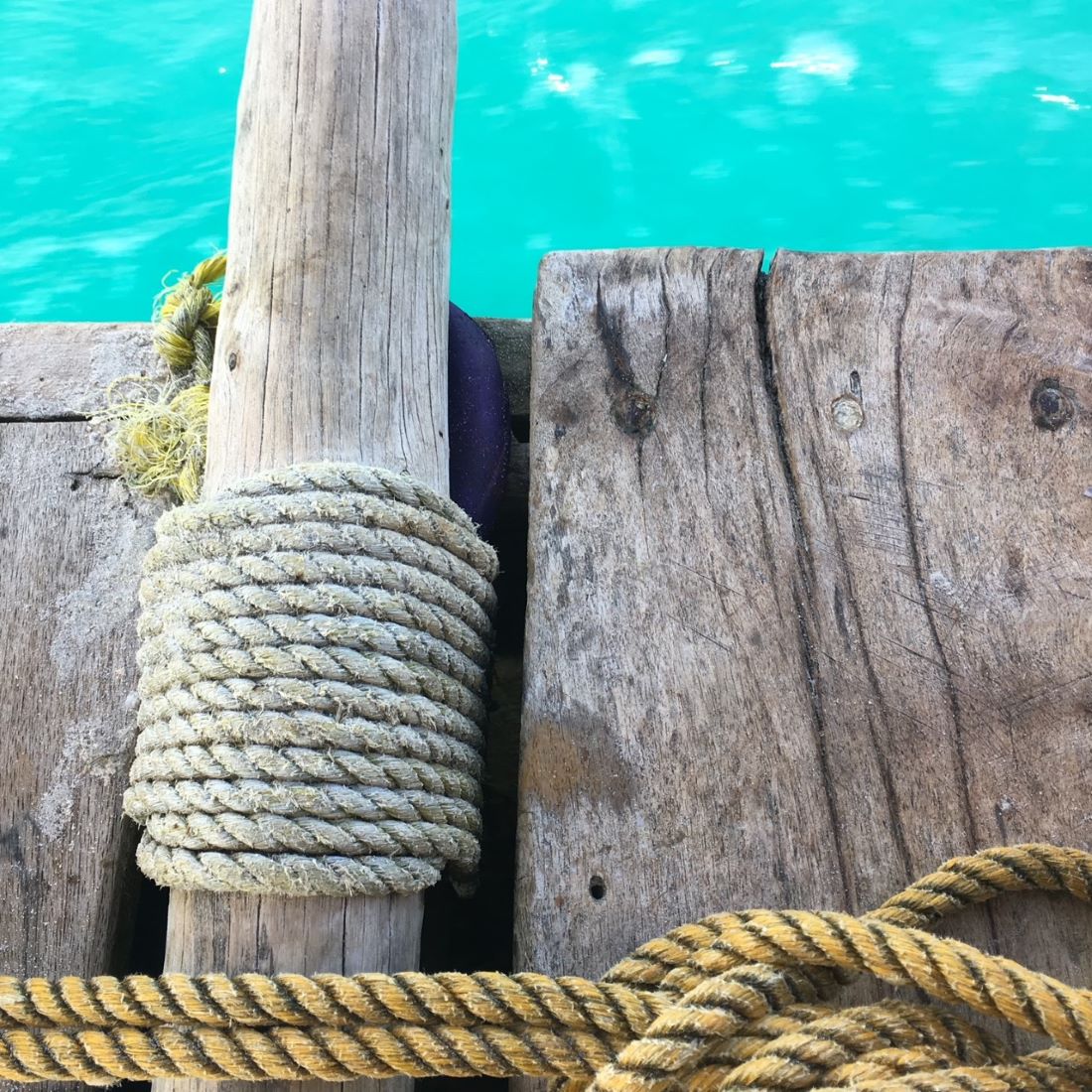
It was a great year for African literature. We highlight the many prize winners, including Abdulrazak Gurnah’s Nobel Prize for Literature.
What a year. Amongst this year’s surprises, some of the most heart-warming are the many literature prizes awarded to African writers. We recap them to bring you a little extra joy, and perhaps some end-of-year reading ideas.
High on the list, and one that caught most of the literary world by surprise, was Abdulrazak Gurnah’s award for the Nobel Prize in Literature(opens in a new tab). Originally from Zanzibar and now residing in the UK, Gurnah is the author of ten novels, including Paradise (1994), By the Sea (2001), and Desertion (2005). Recognized for “his uncompromising and compassionate penetration of the effects of colonialism and the fate of the refugee in the gulf between cultures and continents,” Gurnah is only the sixth African and fourth Black writer to win the prize.
The announcement drew surprise from readers around the world. In the US, Gurnah’s books were difficult to find in bookstores or public libraries; some had never even been picked up by a US publisher. In the UK, Gurnah’s longtime publisher Alexandra Pringle(opens in a new tab) called the award “the greatest happiness of my professional life” and said it repaid two decades of faith in a writer she loved and admired. In East Africa, where there are vibrant literary traditions in Gurnah’s mother tongue Kiswahili, African writers and readers quickly celebrated the win: 50 Tanzanian writers congratulated Gurnah in Kiswahili (read the English version here(opens in a new tab)). More broadly, 103 African writers responded to the win(opens in a new tab).
For those who already knew and loved Gurnah’s work, like fellow Swahili Coast author Yvonne Adhiambo Ouwor(opens in a new tab), the prize was “an affirmation of the quiet ones who toil diligently and faithfully in the arena of their art…It is always a boost to the spirit when an author one so admires, who is such a stylist, is also ‘discovered’ by the wider world and in such a dramatic way.” Gurnah is also a personal favorite. I was first drawn to him because of our shared interest in the sea, and reading his novels transformed my ideas about its significance, and specifically the Indian Ocean, in East African literature.
All his novels, with the exception of Dottie, are set at least partially on the Eastern African Swahili Coast and in Zanzibar, placed deeply formed by their oceanic connections. Rather than the empty sea that characterized European maritime exploration, led the way to conquest and colonization, and reappears today in the form of the abstract gulf, Gurnah’s sea is thick with description, with the criss-crossing voyages of “intrepid traders and sailors” (By the Sea, 15). Just as important is what these voyages carry and what is caught in their wake—the carved doors, spices, and fabrics that define an Indian Ocean aesthetic, but also the weak and vulnerable who are quietly exploited and lost within these networks.

In other words, Gurnah does not romanticize the sea, nor the gulf between cultures and continents the Nobel committee conjures. Instead his entire body of work is devoted to the Indian Ocean world’s sunken histories, to its monsoon winds and “strange mists, and whirlpools,” and to its swirling currents of language (By the Sea, 15). While Gurnah writes in English (a factor not insignificant to his win)(opens in a new tab), the languages of the Swahili Coast—Kiswahili, English, German, Arabic, Hindi, Gujarati, and others—traverse his novels like gusts of wind, and his stories often hinge on questions of translation, mistranslation, and negotiation between languages.
Reading Gurnah has slowly guided me toward an understanding of the sea, and the environment more broadly, as more than just a quality of African literature. In the hands of a master composer like Gurnah, natural landscapes like the ocean become ways of inviting multiplicity and refusing complete knowledge, of holding memory, of structuring storytelling, and of relating texts to one another.
Can’t find Gurnah in your local bookstore? Here are some of our favorite novels from the Indian Ocean:
- The Dragonfly Sea, by Yvonne Adhiambo Owuor(opens in a new tab): Inspired by Admiral Zheng He’s historical shipwreck off the coast of Kenya, this lyrical novel follows a young girl’s journey from the Lamu Archipelago to the Far East and back again to discover her heritage and herself. The ocean’s smell, taste, and feel infuse every page.
- The House of Rust, by Khadija Abdalla Bajaber(opens in a new tab): A young girl on a quest to find her father sails a magical boat, gets advice from a talking cat, and defeats three epic sea monsters in this tale set in the Hadrami diaspora on the Swahili Coast. The House of Rust is the inaugural winner of Graywolf Press’ African Fiction Prize.
- Kaya Days, by Carl de Souza, translated by Jeffrey Zuckerman: A coming-of-age story set in the island nation of Mauritius off the coast of East Africa, Kaya Days is animated by the protests following the death of seggae musician Joseph Réginald Topize (Kaya) who died in police custody after being arrested for smoking weed on stage.

Did we mention it’s been a wonderful year for African literature? Check out these other award-winning titles, including many in translation or nominated by translators:
- International Booker Prize(opens in a new tab): Frère d’âme (At Night All Blood is Black), by David Diop, translated by Anna Moschovakis
- Neustadt International Prize for Literature(opens in a new tab): Boubacar Boris Diop (nominated by translator Jennifer Croft)
- Prix Goncourt: Mohamed Mbougar Sarr, for his novel La plus secrète mémoire des hommes (Men’s Most Secret Memories). His first novel Terre ceinte (Brotherhood)(opens in a new tab) has been translated by Alexis Trigo and published by Europa Editions.
- PEN Pinter Prize(opens in a new tab) and Peace Prize of the German Book Trade(opens in a new tab): Tsitsi Dangarembga
- Prémio Camões(opens in a new tab): Paulina Chiziane. Chiziane’s novel Niketche: Uma História de Poligamia (The First Wife)(opens in a new tab) was translated from Portuguese by David Brookshaw and published by Archipelago Books.
- Booker Prize(opens in a new tab): Damon Galgut, for his novel The Promise. Nadifa Mohamed was also short-listed for her novel The Fortune Men.
- L’Académie française Grande médaille de la Francophonie(opens in a new tab): Abdourahman A. Waberi
Kelsey McFaul was part of the editorial staff at Two Lines Press. She has a PhD in literature from UC Santa Cruz with a focus in African language literatures. She first joined Two Lines as a Public Fellow in 2020–21, supporting the creation of No Edges: Swahili Stories.