What We’re Reading for Summer 2023
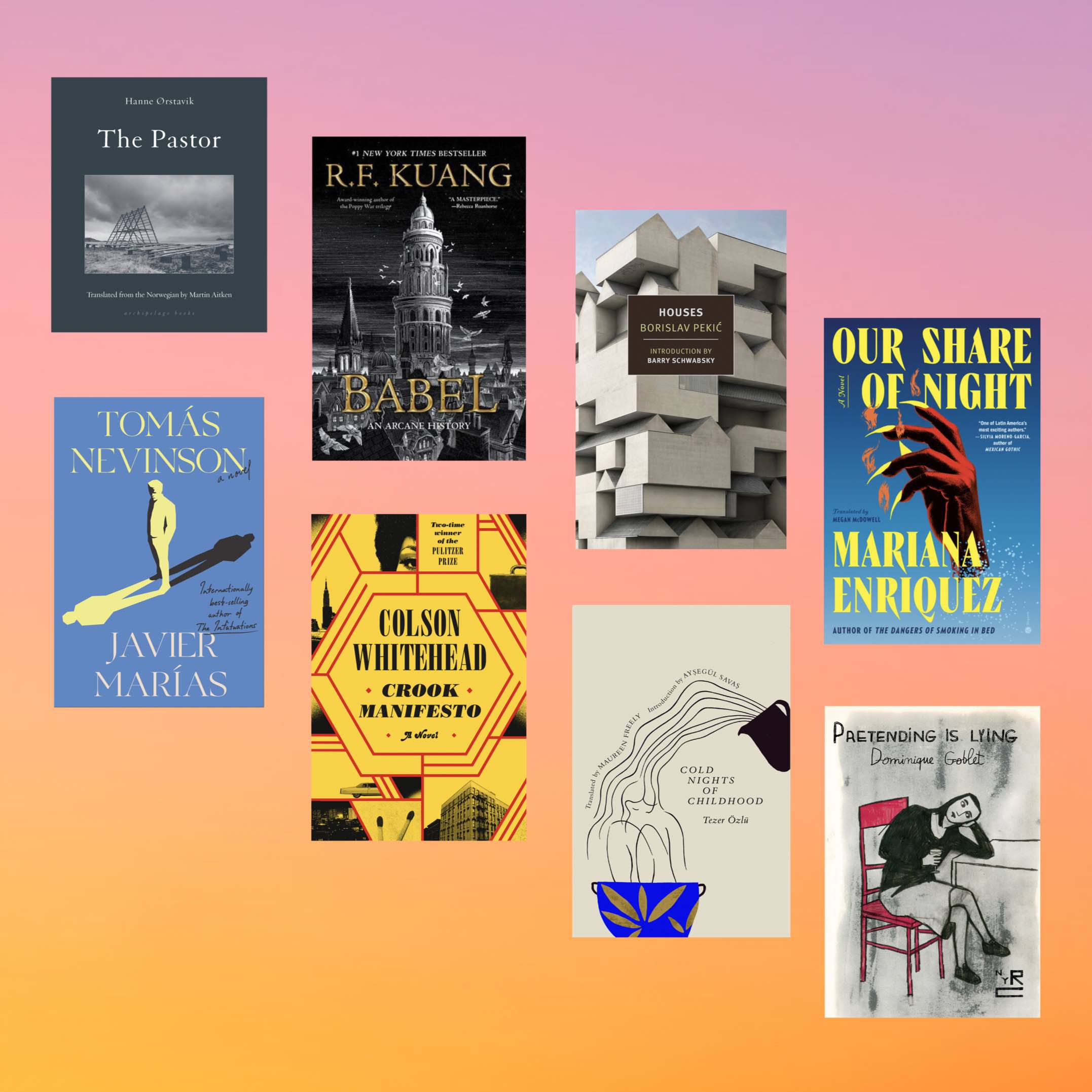
Eight books to add to your summer reading pile, recommended by the staff of the Center for the Art of Translation.
We polled our staff to find out what’s on everyone’s summer reading list. Some of these are forthcoming or recently-published books and some have been out for a while, but you’re sure to find a title that fits your mood.
Erin Branagan, Communications & Development Director
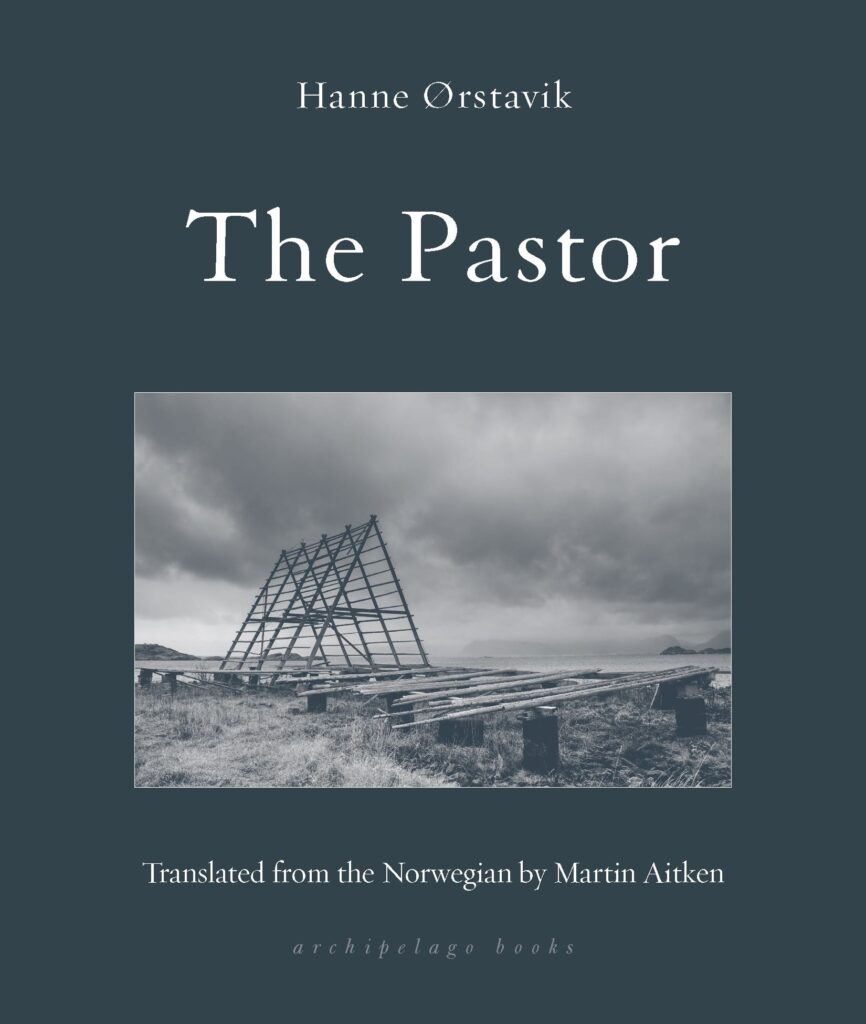
The Pastor — Hanne Ørstavik, tr. from Norwegian by Martin Aitken
My colleague and CAT Events Manager Leslie-Ann Woofter has raved about this book and this author for so long that I am determined to read it! Also eager to read Ørstavik’s breakout novel Love, from 1997 (and also translated by Aitken) which was voted one of the “best Norwegian books of the last 25 years.” The Pastor is a quiet novel about a woman who returns to her native Norway to become a pastor in a small town and struggles with her new role as spiritual leader and confidant.

Babel, or the Necessity of Violence: An Arcane History of the Oxford Translators’ Revolution — R. F. Kuang
Not a translation, but this historical fantasy novel, which earned author R.F. Kuang the 2022 Nebula Award, offers a vision of an alternate reality where translators are the power brokers. Also an examination of British colonial history and how language and translation were used as tools in that period.
Chad Felix, Marketing Manager
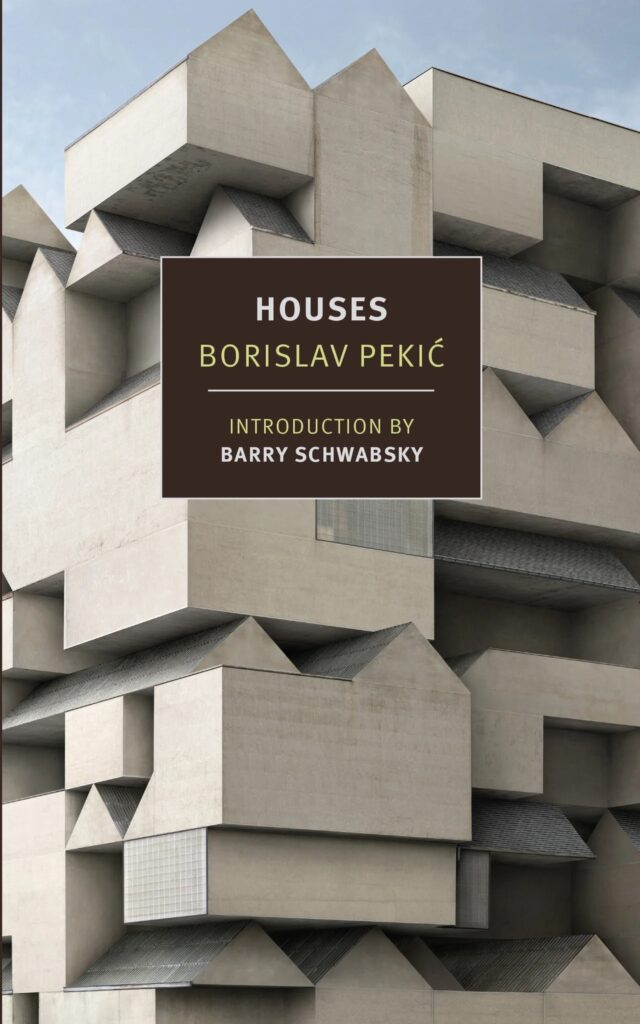
Houses — Borislav Pekić, tr. from Serbo-Croatian by Bernard Johnson
This is an amazing, deeply weird novel about a wealthy landlord’s reemergence into the world after decades in hiding (the aftermath of once finding himself enthralled in the company of protestors). Delirious and surprising on every page in Bernard Johnson’s translation from Croatian, Houses might have been titled “The Landlord’s Mind: A Satire.”
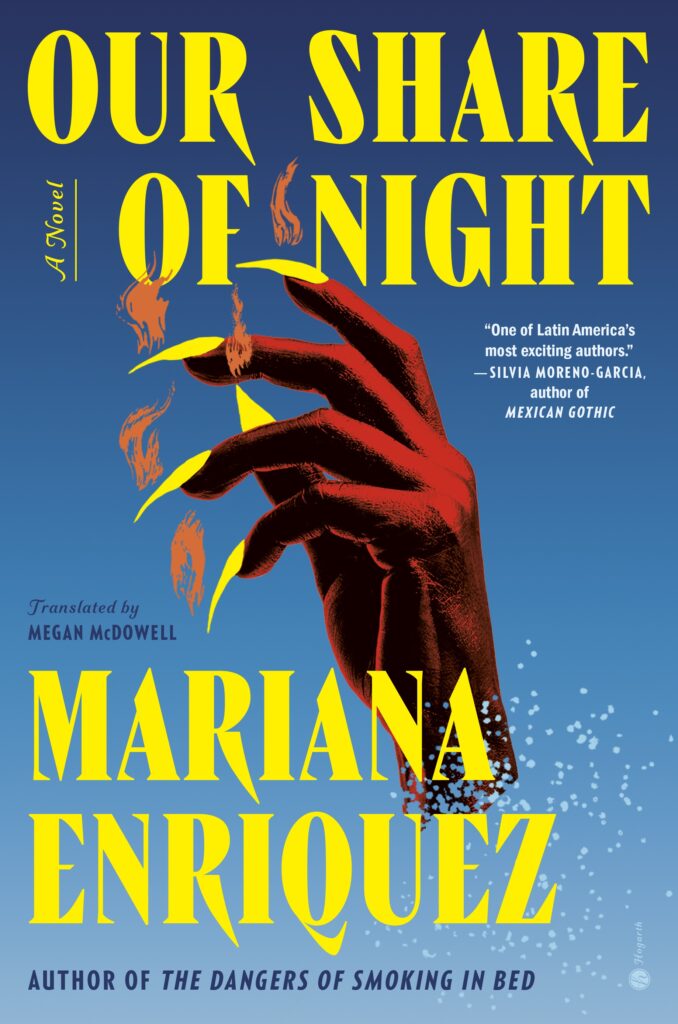
Our Share of Night — Mariana Enriquez, tr. from Spanish by Megan McDowell
A dark epic of an Argentina laced with the supernatural, Mariana Enriquez’s horror-tinged family saga is a brick for the beach. It’s more—a lot more—of everything you want from one of the most exciting horror writers working today. RIYL violent rituals, dark magic, impossible architecure, and neon-yellow, razor sharp fingernails.
Michael Holtmann, Executive Director & Publisher
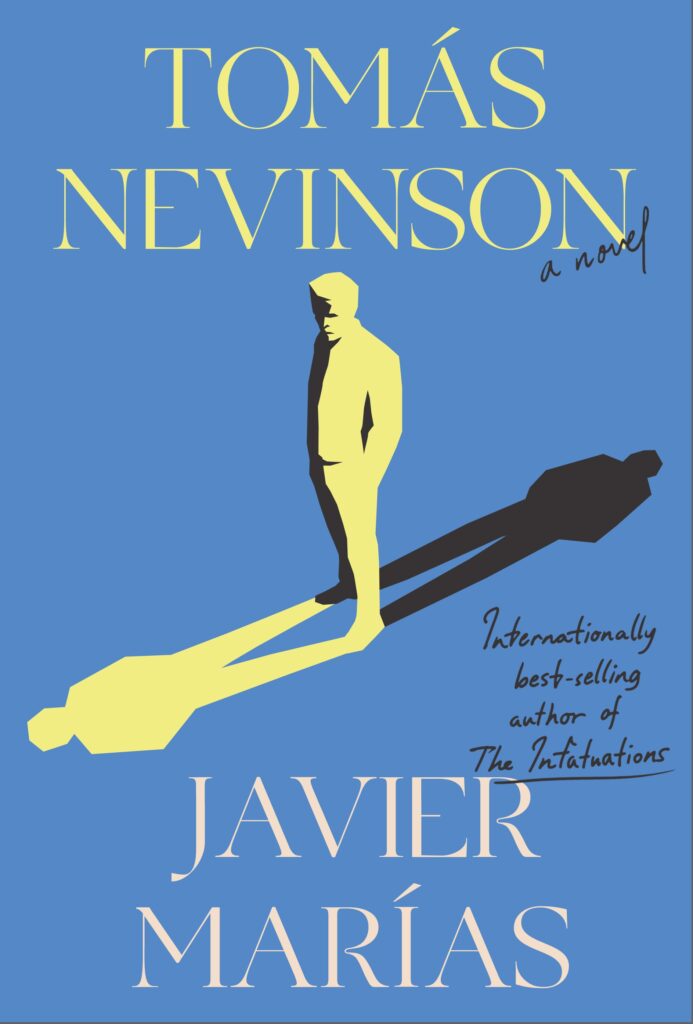
Tomás Nevinson — Javier Marías, tr. from Spanish Margaret Jull Costa
The late great Spanish novelist Javier Marías passed away last September, and Tomás Nevinson is his final book. Marías is one of a handful of writers about whom I can say I’ve read every single book published in English. I am a longtime admirer of his trenchant intelligence, elegant style, ambivalent world-weariness, and sparkling wit. Marías is master of digression, of finely calibrated reveals, and as an accomplished translator himself—of Sterne, James, Conrad, Faulkner, and Nabokov, among others—he is keenly attuned to language and allusiveness. His last book returns to familiar themes: betrayal, hidden histories, moral ambiguity, espionage in “sinuous slow motion,” as The Guardian put it. I don’t want to put it down.
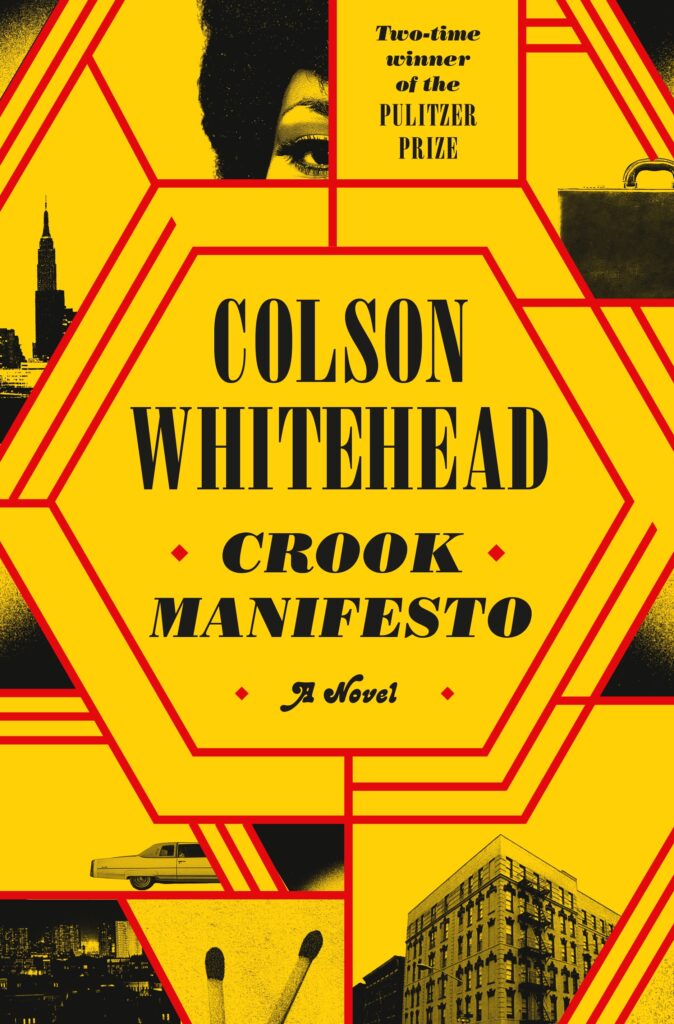
Crook Manifesto by Colson Whitehead
Sure, I’ll read anything Colson Whitehead writes, but I’m especially excited about Crook Manifesto, forthcoming this July. Set in 1970s Harlem—”in all its seedy glory”—the book centers around Ray Carney, a furniture store owner trying to keep to the “straight and narrow” at a moment when New York City is awash in crime and uncertainty. I’m ready for this story about crooks, what is supposed to be “a darkly funny tale of a city under siege, but also a searching portrait of the meaning of family.”
Sophie Levy, Communications Assistant
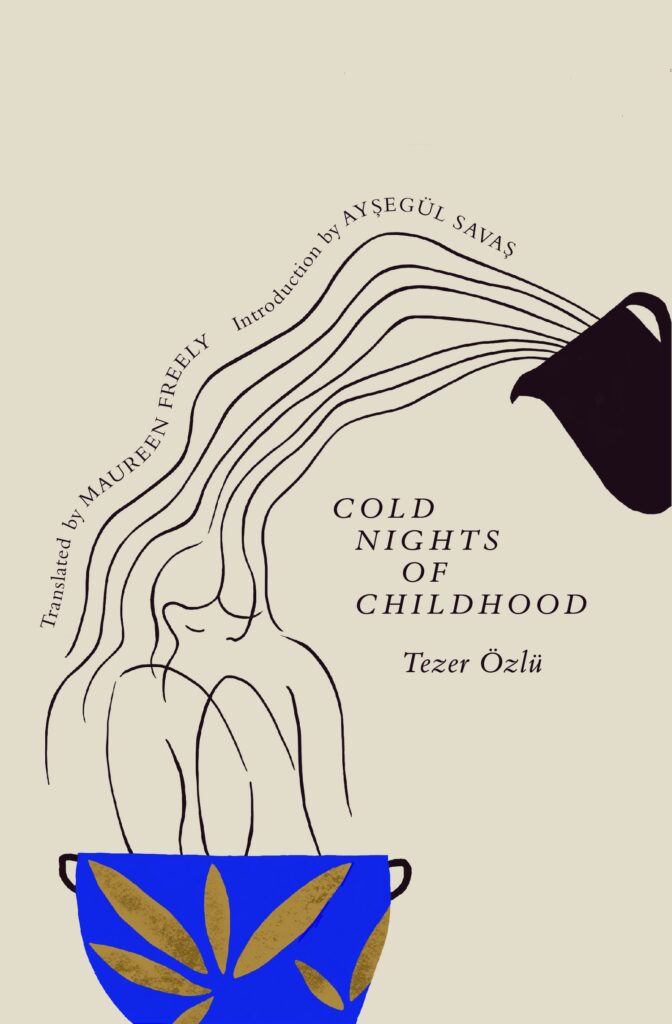
Cold Nights of Childhood — Tezer Özlu, tr. from Turkish by Maureen Freely
Cold Nights is a delicately beautiful yet searing novel about psychological and sexual autonomy; patriarchal, institutional, and architectural oppression; and the enduring sensory resonance of memory. Özlu’s voice braids itself backward and forward through time, traveling between her militaristic upbringing in a sleepy Anatolian village, her adolescence under the thumb of Austrian nuns, and the melancholic urban haze of Istanbul, Ankara, and Berlin in the 1960s. Her desire to self-actualize beyond the sensibilities of her lower-middle-class, nationalist family feels almost white-hot; it pulls her through love affairs, friendships, and traumatic stints in psychiatric hospitals. While Özlu doesn’t obscure the severity of the pain she encounters, she doesn’t seem to compromise her integrity, either. Her innate predisposition to notice moments of quiet beauty, her subtly absurdist sense of humor, and her resolute, boundless yearning for freedom make her a forceful, generous, and unexpectedly hopeful narrator.
The book also includes an insightful intro by the writer Ayşegül Savaş and a moving afterword by Maureen Freely— my favorite translator’s afterword I’ve read lately.
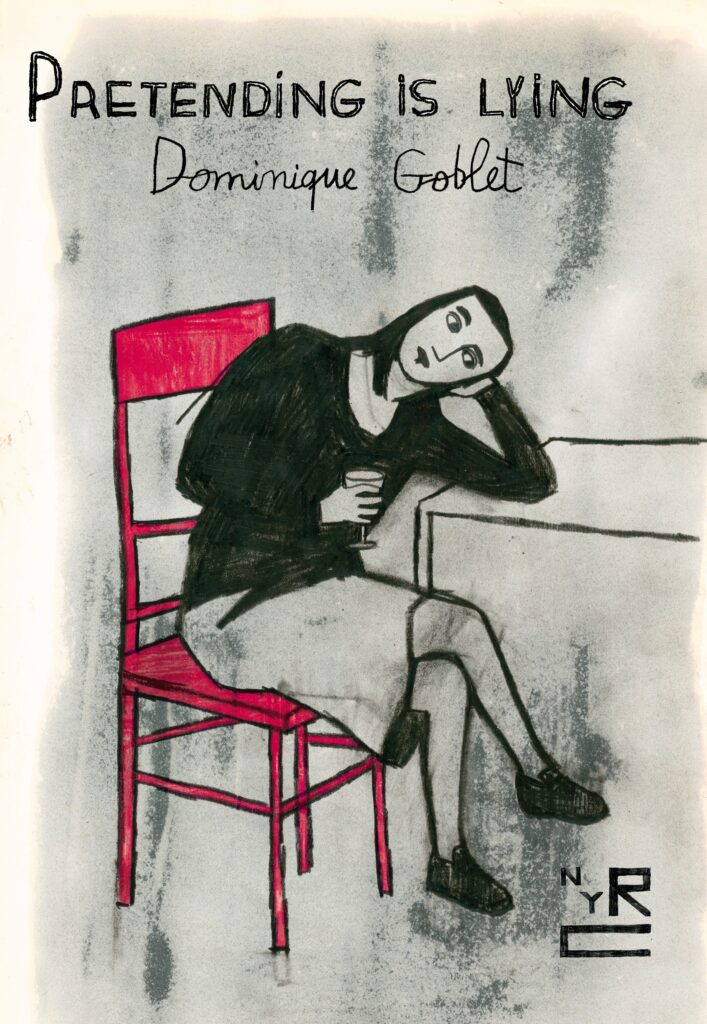
Pretending is Lying — Dominique Goblet, tr. from French by Sophie Yanow
This is another semi-autobiographical, non-linear work that I’ve been meaning to read for a while, and I’m so glad I did. Dominique Goblet’s graphic novel is really unlike anything I’ve seen before in its alternating wistfulness, chaotic playfulness, and depth. When Dominique visits her estranged, (ex-?)alcoholic father in a Belgian suburb along with her young daughter Nikita, her memories of a complex romantic relationship and childhood abuse begin to resurface, playing out in vignettes of varying length. The book explores dysfunction, authority, innocence, vulnerability, and irony through brief but poignantly emblematic anecdotes, all rendered in a fluid and shadowy style, thanks to Goblet’s use of soft graphite and oil paint.