The Box
Every so often, they stopped and ducked down until the box touched the ground, hiding them completely.
A caixa
A caixa era imensa, de papelão. Devia ter perto de um metro e meio de comprimento por um metro de largura e uns sessenta centímetros de profundidade. Três sujeitos a carregavam. Eles iam dentro dela, com a abertura virada por sobre suas cabeças, escondendo seus rostos e parte de seus troncos, como se eles fossem a base e ela a cúpula de um abajur. Ou como se eles fossem as pernas e ela o corpo de um boi-bumbá. O tipo que seguia à frente vestia calça de abrigo escura, camiseta esportiva também escura e tênis branco. O do meio usava gabardine cinza na altura do joelho por sobre uma calça social preta. Nos pés, sapatos igualmente pretos. Parecia ser o mais baixinho e talvez fosse o mais velho dos três. O terceiro era sem dúvida o mais alto. Precisava andar com as pernas levemente flexionadas para se manter numa altura próxima à dos outros. Usava calça, agasalho e sapatos pretos. Os três eram magros, ou davam a impressão de sê-lo. Mas não tão magros a ponto de serem chamados de cadavéricos. Eram magros, mas saudáveis, possivelmente alimentados a carne assada e batatas. Como a caixa lhes tapava parte do corpo, não havia como saber se eram negros ou brancos, ou negros e brancos. Muito menos, caso brancos, se loiros ou morenos, ou até mesmo ruivos. Também não havia como saber de que maneira eles andavam sem tropeçar. É provável que tivessem aberto pequenos furos na caixa para poder ver ao redor. Ou talvez a caixa já apresentasse frestas desde o início, sem necessidade de nenhuma intervenção. Aliás, não se sabia por que eles levavam a caixa daquela maneira, por sobre suas cabeças, dificultando a visão e a própria caminhada. Se estivesse chovendo, poderia ser para se protegerem: ela estaria fazendo as vezes de um enorme guarda-chuva. Mas não estava chovendo. O dia amanhecera cinzento, mas sem deitar um pingo d’água, e assim permaneceria até anoitecer, o que se daria em breve. Talvez fosse alguma espécie de disfarce. Não queriam ser reconhecidos, apesar de nunca terem estado ali. Embora não se pudesse identificá-los, sabia-se com certeza que eram forasteiros: ninguém, naquela pequena cidade, atrevia-se a usar gabardine, mesmo na chuva mais intensa. Mas a caixa talvez fosse um sinal de pudor. Suas feições podiam estar desfiguradas e eles se envergonhavam disso. Ou talvez somente não houvesse outra forma de carregar aquela imensa caixa em meio ao vento forte que vinha do rio que contornava a cidade…
A caixa
A caixa era imensa, de papelão. Devia ter perto de um metro e meio de comprimento por um metro de largura e uns sessenta centímetros de profundidade. Três sujeitos a carregavam. Eles iam dentro dela, com a abertura virada por sobre suas cabeças, escondendo seus rostos e parte de seus troncos, como se eles fossem a base e ela a cúpula de um abajur. Ou como se eles fossem as pernas e ela o corpo de um boi-bumbá. O tipo que seguia à frente vestia calça de abrigo escura, camiseta esportiva também escura e tênis branco. O do meio usava gabardine cinza na altura do joelho por sobre uma calça social preta. Nos pés, sapatos igualmente pretos. Parecia ser o mais baixinho e talvez fosse o mais velho dos três. O terceiro era sem dúvida o mais alto. Precisava andar com as pernas levemente flexionadas para se manter numa altura próxima à dos outros. Usava calça, agasalho e sapatos pretos. Os três eram magros, ou davam a impressão de sê-lo. Mas não tão magros a ponto de serem chamados de cadavéricos. Eram magros, mas saudáveis, possivelmente alimentados a carne assada e batatas. Como a caixa lhes tapava parte do corpo, não havia como saber se eram negros ou brancos, ou negros e brancos. Muito menos, caso brancos, se loiros ou morenos, ou até mesmo ruivos. Também não havia como saber de que maneira eles andavam sem tropeçar. É provável que tivessem aberto pequenos furos na caixa para poder ver ao redor. Ou talvez a caixa já apresentasse frestas desde o início, sem necessidade de nenhuma intervenção. Aliás, não se sabia por que eles levavam a caixa daquela maneira, por sobre suas cabeças, dificultando a visão e a própria caminhada. Se estivesse chovendo, poderia ser para se protegerem: ela estaria fazendo as vezes de um enorme guarda-chuva. Mas não estava chovendo. O dia amanhecera cinzento, mas sem deitar um pingo d’água, e assim permaneceria até anoitecer, o que se daria em breve. Talvez fosse alguma espécie de disfarce. Não queriam ser reconhecidos, apesar de nunca terem estado ali. Embora não se pudesse identificá-los, sabia-se com certeza que eram forasteiros: ninguém, naquela pequena cidade, atrevia-se a usar gabardine, mesmo na chuva mais intensa. Mas a caixa talvez fosse um sinal de pudor. Suas feições podiam estar desfiguradas e eles se envergonhavam disso. Ou talvez somente não houvesse outra forma de carregar aquela imensa caixa em meio ao vento forte que vinha do rio que contornava a cidade…
The Box
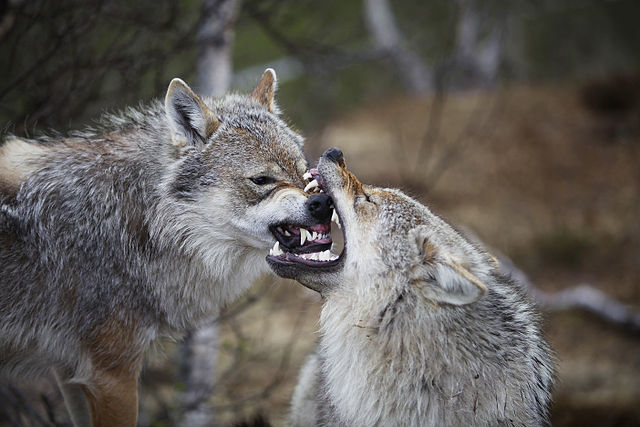
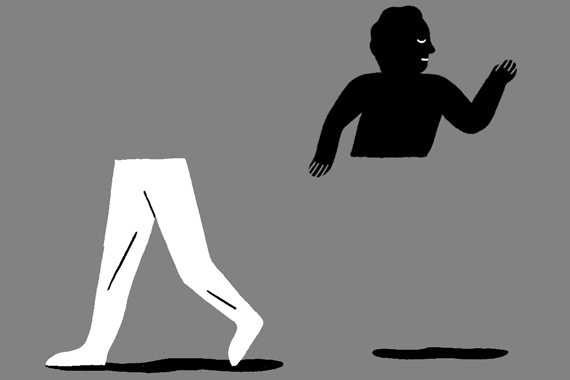
The box was immense and made of cardboard. It must have been about a meter and a half long by a meter wide and about sixty centimeters deep. Three men carried it. They walked inside of it with the box upside down over their heads so that it hid their faces and torsos, as if they were the base and the box were the shade of a lamp. Or as if they were the legs and the box were the body of a giant festival puppet. The one in front was wearing dark-colored sweatpants, a dark-colored athletic T-shirt, and white sneakers. The one in the middle wore a knee-length gray trench coat over black dress pants. On his feet were shoes that were also black. He seemed to be the shortest and perhaps the oldest of the three. The third was without a doubt the tallest. He had to walk with his knees slightly bent in order to maintain the same height as the others. He wore pants, a track jacket, and shoes, all black. All three were thin, or at least they gave that impression. But not so thin that they could be called skeletal. Thin, but healthy, possibly living on a diet of roast beef and potatoes. Since the box obscured the upper halves of their bodies, there was no way to tell if they were black or white, or black and white. Let alone, in the case that they were white, whether they were blond or brunette, or even redheaded. Nor was it clear how they managed to walk without tripping. It’s likely that they had punched small holes in the box in order to see their surroundings. Or perhaps the box had had slits in it all along and thus didn’t necessitate any intervention. Moreover, no one knew why they carried the box in that way, over their heads, impeding both their vision and their gait. If it had been raining, it could have protected them; the box would have acted as an enormous umbrella. But it wasn’t raining. The day had dawned gray but hadn’t let loose a single drop of water, and it would remain that way until nightfall, which was drawing near. Perhaps, then, the box was some sort of disguise. Maybe they didn’t want to be recognized, despite never having been there before. Although they couldn’t be identified, it was certain that they were outsiders; no one in that small city would have dared to wear a trench coat, even in the most intense rain. Or perhaps the box was a sign of modesty. It could be that their features were disfigured and they were ashamed. Or else there was simply no other way to carry that immense box amidst the strong wind that came up from the river that abutted the city. It was always very windy there. If they had lifted the upturned box above their heads, it might possibly have flown away. Likewise, carrying it under their arms would have been impossible, due to its size. Every so often, they stopped and ducked down until the box touched the ground, hiding them completely. And they would stay like that, motionless, for several minutes, the box looking like it had been left in the middle of the path. Suddenly they would rise to their feet again and continue on their march. They crossed the streets in silence. At that hour, the inhabitants of the city were already at home. Although it was not yet night, they were preparing for dinner, which would be served as soon as the bells from the church in the central square announced the nine o’clock hour. We will never know if this city was indeed the final destination of those three men or if they had come through here by chance. Or would it be better to say by accident? After crossing the square diagonally, they halted. The one wearing sneakers made as if to continue forward, while the tallest one took a step in the opposite direction. They nearly tore the box. They stopped again and conversed for a while in that position, stationary, with the box over their heads. The one in the trench coat shifted his weight onto one leg and then the other. The tallest one tapped his right foot on the ground, a sign of either impatience or exhaustion. The one in sneakers, who had turned his back to the others, was the first to start walking again. The other two were taken by surprise, but followed him nonetheless. They headed in the direction of the school. It was getting dark. There was a full moon that night. I like nights like that, they sharpen my sense of smell. The three men climbed the stairs of the entrance to the school and, without letting go of the box, passed through the large, gold-handled wooden door. The door, like those of the other public buildings in the city, was never closed, because strangers were rare around these parts. Whenever an outsider appeared in town, stares would accompany him wherever he went, although most often the visitor would not notice. Once inside the school, the three walked down the long hallway on the ground floor with the box still covering their faces. They passed by the administrative office, where Nelson, the deaf-mute janitor, was meticulously vacuuming the floor. It was said that he had no one and for this reason lived in the small room at the back of the school, where they stored the old plastic skeleton no longer used in biology classes. Nelson, who had his back to the door, did not see them and continued his work. He didn’t see me either. Nor did the three men, not once along their route. No one saw me, ever. Everyone preferred to believe that I didn’t exist, even though they knew that I was there to do the dirty work, the work that no one else had the courage to do. Only Pacheco, the German shepherd, didn’t shy away from me. He was in the habit of coming over, looking me in the eyes, and sniffing my legs to determine where I had been. He never barked at me. But he didn’t wag his tail either. He also lived at the school, between the backyard and the nursery school room, the only room with colorful walls, where he must have been at that moment. The men made their way to the end of the hallway and entered the auditorium, which was empty and dark. On the stage were only six chairs, arranged on either side of a podium, three to the right and three to the left, as if it had been prepared to host some function. The three of them, after stopping for a time close to the stage, turned around and left the auditorium, pausing in the hallway for a moment, as if deciding where to go next. They walked to the staircase and went up to the second floor. They entered the first door they encountered, which belonged to the biology classroom, where there were glass cases of taxidermied animals and, conserved in formaldehyde, human fetuses in various stages of development. In the hallway, while I watched them through the small window at the top of the door, I took off my uniform and put on the wolf skin. When they eventually let go of the box and set it down on the floor to do what they had come to do, which had always been their objective, I would enter the room cautiously. Without them noticing, I would get inside the box. When they lifted it again, they would see me and it would all be over.
“A caixa” from Sombrio ermo turvo. São Paulo: Todavia, 2019.
Image by Julien Posture.
Veronica Stigger is a Brazilian writer, art critic, and university professor. She has published twelve books of fiction, including Opisanie świata (2013), Sul (2016), and Sombrio ermo turvo (2019). For Opisanie świata, her first novel, she won the Machado de Assis, São Paulo (debut author) and Açorianos (full-length narrative) prizes. For Sul, she won the Prêmio Jabuti. Sombrio ermo turvo was a finalist for the Oceanos, Jabuti, Minuano, and AGEs prizes.
Meg Weeks is a PhD candidate in history and gender studies at Harvard University. She has received numerous grants and fellowships, including from Harvard’s Schlesinger Library and the University of California Los Angeles’ Modern Endangered Archives Program. Her writing has been published in n+1 and Philia. She is currently translating Filha, mãe, avó e puta: a história de uma mulher que decidiu ser prostituta, the memoir of Gabriela Leite, the founder of Brazil’s sex-worker movement.