PIO Teaching Fellow Spotlight: Erica Darken
Meet one of the 2022-2023 Poetry Inside Out Teaching Fellows and learn more about her work in curriculum building this year!
This school year marked the launch of the inaugural Poetry Inside Out Teaching Fellowship, a year-long program designed to support teachers as they pursue curricular research, build skills in creative language instruction, and learn how to foster collaborative discussions of poetry in translation in the classroom. Teaching Fellows join a vibrant network of students, teachers, poets, translators, and academics committed to open-ended dialogue about language and literature, working together to develop culturally responsive, integrated curricula based on PIO’s key practices.
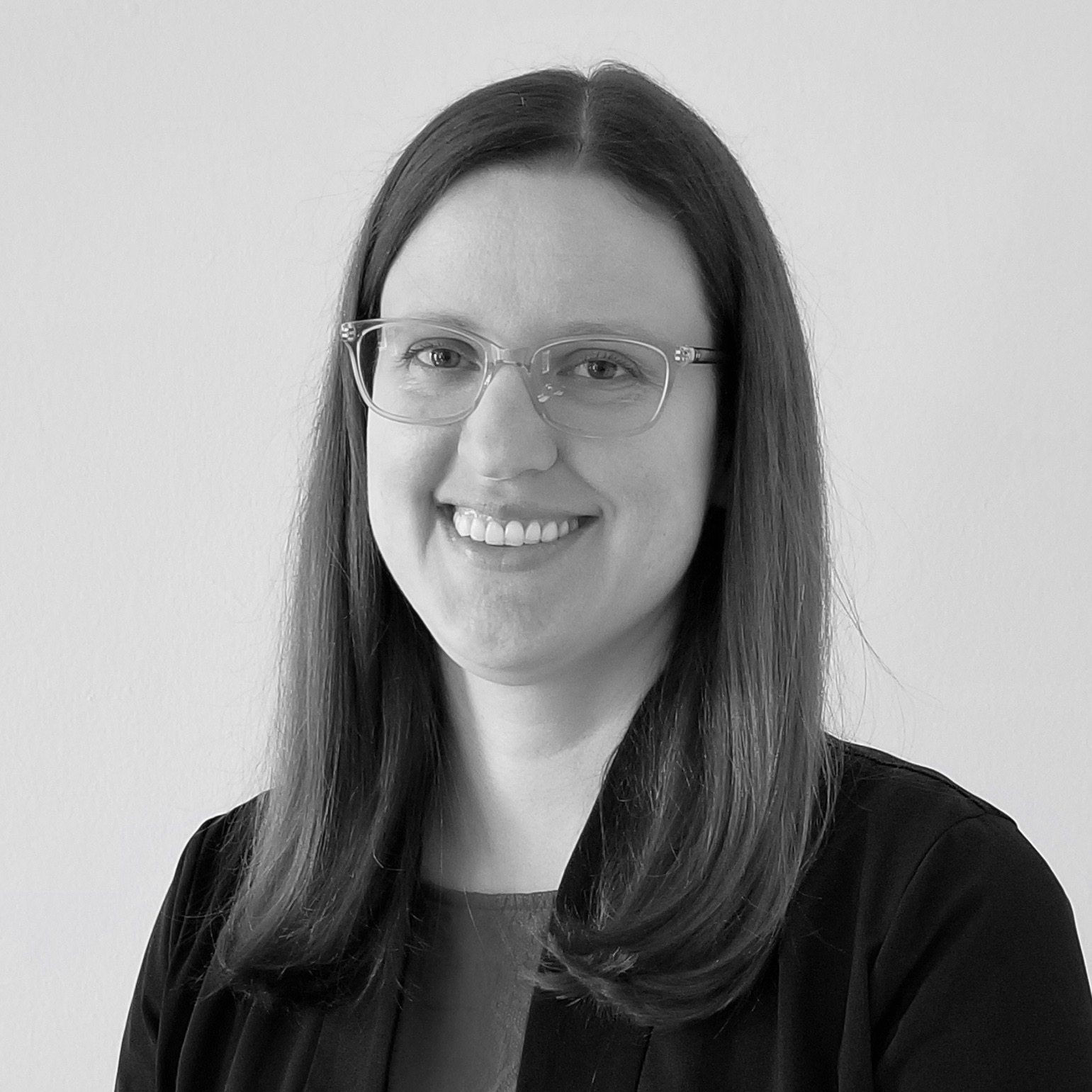
Having introduced the fellows as a group earlier this year, we’re excited to spotlight them individually and learn more about their work as the program progresses. Erica Darken has taught multiple elementary grades in Philadelphia over the years, including bilingual first grade and fourth grade. She has also worked as a curriculum development specialist in the School District of Philadelphia’s Office of Multilingual Curriculum and Programs, and is continuing her support of multilingual learners this year as a fifth-grade ESOL teacher.
What have you gained from the Teaching Fellowship so far? Anything that surprised you or you didn’t necessarily expect?
The Poetry Inside Out Teaching Fellowship has given me a supportive community in which to be a creative and reflective educator who encourages meta-linguistic awareness. While I’ve always taught many language learners in my classroom, this was my first year teaching in an ESOL teaching position. Working with students in this new context has given me a lot of food for thought, which I have processed a great deal in my accordion book, a practice I learned at the Teaching Fellowship retreat in DC this past fall. Combining my own artifacts and ideas on paper via drawing, writing, and collage, and returning to reflect and add layers, has been a centering thread throughout my school year.
Tell us more about your research / curriculum-building project. How is it going? Anything you’re particularly excited about?
I’m looking forward to working with a translator to create a poem page for a poem in Gujarati, a language of India. One possible poem has a lot of repetition, a poetic device that I think is both powerful and accessible for young translators. Gujarati is written in Devanāgarī script, the fourth most widely used script in the world, and I think that having poem pages in this script has the potential to be validating to students whose families speak one of many languages written in this script, such as Nepali and Hindi, which share cognates with Gujarati.
What do you hope to make of the rest of your time as a fellow?
I’ve been pleased by how our collaborative accordion book has come together for the poem Bolom Chon, which my students translated in small groups from Tzotzil, a Mayan language. For the next collaborative accordion book, centered on one or more poems in Spanish, the predominant home language of our students, I will start documentation and reflection in the accordion book much earlier in the process. For a subsequent translation, I also want to have individual accordion books for the students, so I will definitely continue working on my own and bringing it in as a sample for students.
How do you see the skills you’ve gained during the fellowship benefiting your classroom / your students in the future?
My students, who are language learners, will benefit from my reflection, lesson adaptations, and scaffolding for all levels of English language learners. Teaching Poetry Inside Out differs a lot between small groups of students that have similar language levels versus a whole class with heterogeneous groupings. Working with the students in small groups allows me to see up close what additional supports are called for, and then to provide that support as needed with another group. I’ve also been working on poetry-specific sentence starters, which students find useful in explaining their word choices.
We will begin accepting applications for the 2023-2024 class of PIO Teaching Fellows very soon this spring! For more information please contact Poetry Inside Out Program Director Mark Hauber: mark@catranslation.org(opens in a new tab)