Translated Reads for Pride Month 2023
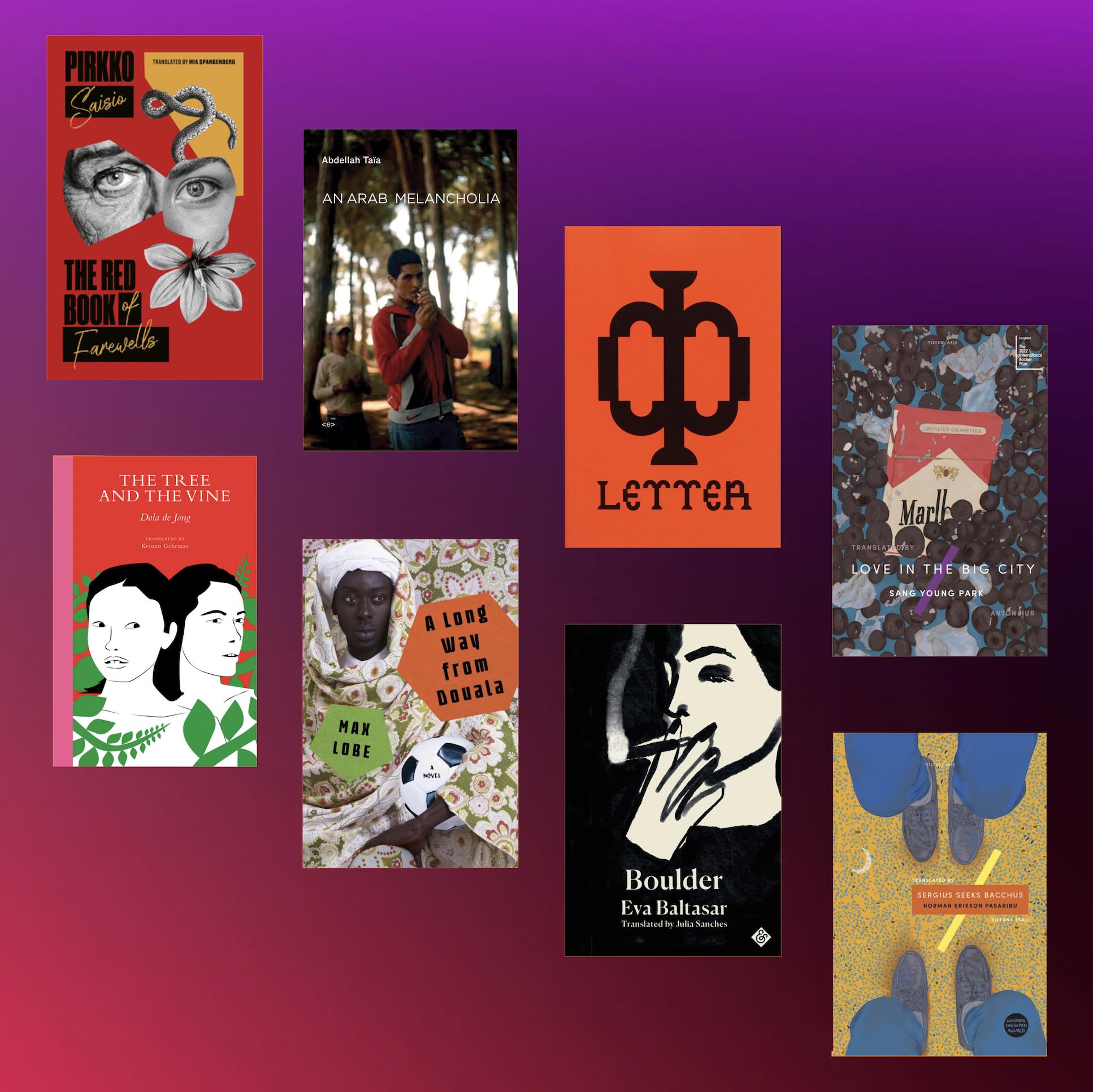
These novels and poetry collections brilliantly explore queerness as it intersects with political dissent, coming-of-age, emigration, and the endless fight for a future free of shame.
This June and year-round, we’re proud to celebrate queer literature from writers all over the world.
Continuing our past installments of book recommendations for Pride Month, we’ve compiled a list of eight titles that hail from Finland, Russia, Korea, Cameroon, and beyond, all published in English in recent years.
These novels and poetry collections brilliantly explore queerness as it intersects with political dissent, coming-of-age, emigration, and the fight for a future free of shame.

The Red Book of Farewells — Pirkko Saisio, tr. from Finnish by Mia Spangenberg
“Pirkko Saisio’s autofictional novel, in Mia Spangenberg’s tender translation from Finnish, is a mesmerizing account of radical politics and sexual awakening in a series of farewells—to her mother, to the idealism of youth, to friends and lovers, and finally to her grown daughter. The novel embeds readers in a delirious Finland, where art and communist politics are hopelessly intertwined, and where queer love, still a crime, thrives in underground bars. Playful and mysterious, The Red Book of Farewells stoically embraces the revolutionary potential of moving on.”
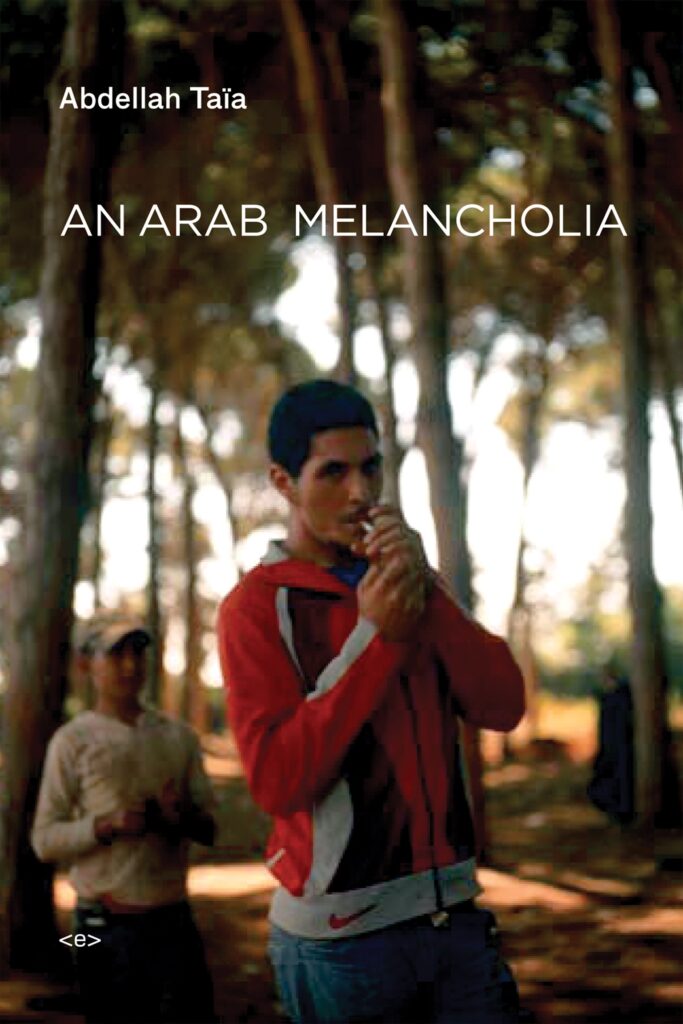
An Arab Melancholia — Abdellah Taïa, tr. from French by Frank Stock
“Salé, near Rabat. The mid 1980s. A lower-class teenager is running until he’s out of breath. He’s running after his dream, his dream to become a movie director. He’s running after the Egyptian movie star, Souad Hosni, who’s out there somewhere, miles away from this neighborhood—which is a place the teenager both loves and hates, the home at which he is not at home, an environment that will only allow him his identity through the cultural lens of shame and silence.
Irresistibly charming, angry, and wry, this autobiographical novel traces the emergence of Abdellah Taïa’s identity as an openly gay Arab man living between cultures. Part incantation, part polemic, and part love letter, this extraordinary novel creates a new world where the self is effaced by desire and love, and writing is always an act of discovery.”
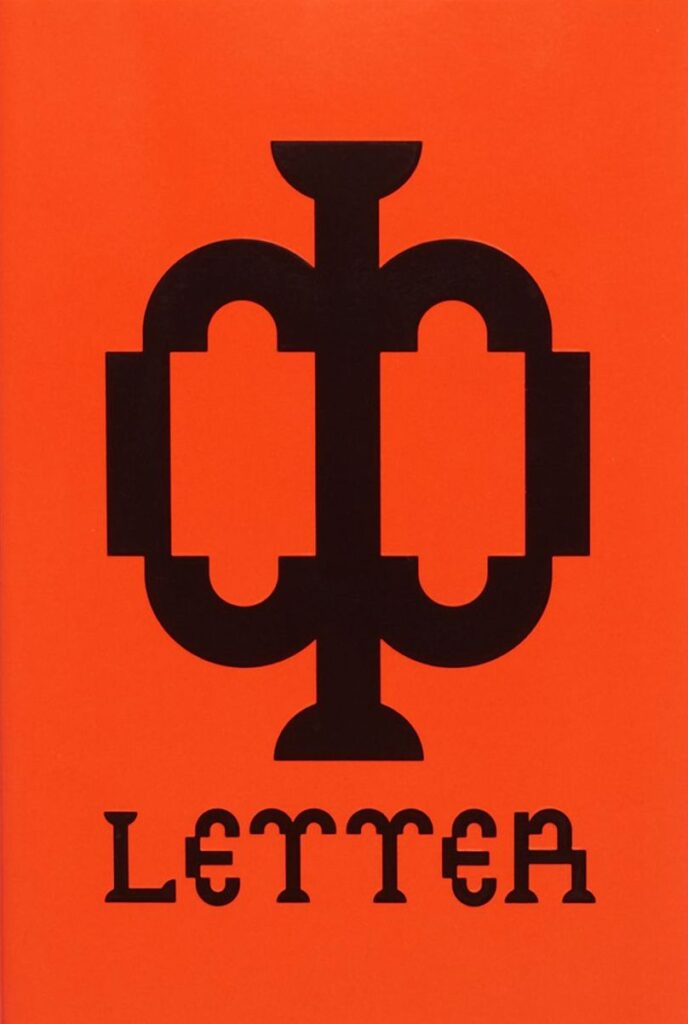
F Letter: Russian Feminist Poetry — Edited by Galina Rymbu, Eugene Ostashevsky, and Ainsley Morse
“F Letter assembles the feminist poets who have palpably changed the Russian language over the past decade. Against the backdrop of state violence and oppression, this is electric dissent in pursuit of a democratic, egalitarian future.”
According to Ostashevksy and Morse(opens in a new tab), the book “collects the work of a dozen women poets and feminist and LGBTQ+ activists associated with the Russian online platform F pis’mo(opens in a new tab).”
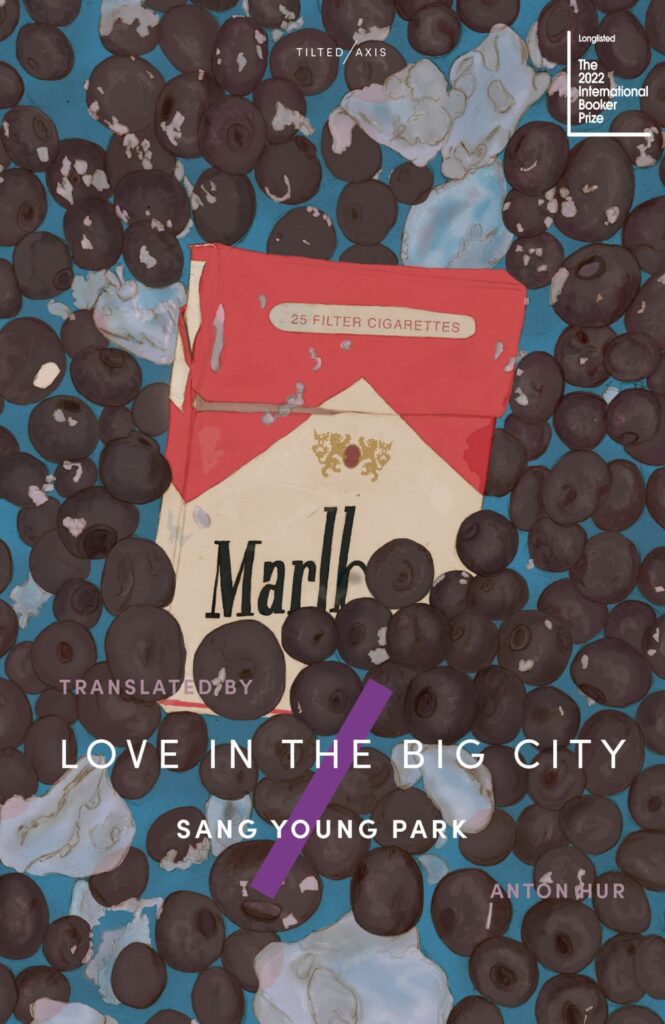
Love in the Big City — Sang Young Park, tr. from Korean by Anton Hur
“Young is a cynical yet fun-loving Korean student who pinballs from home to class to the beds of recent Tinder matches. He and Jaehee, his female best friend and roommate, frequent nearby bars where they suppress their anxieties about their love lives, families, and money with rounds of soju and freezer-chilled Marlboro Reds. Yet in time even Jaehee settles down, leaving Young alone to care for his ailing mother and find companionship in his relationships with a series of men, including one whose handsomeness is matched by his coldness, and another who might end up being the great love of his life.”
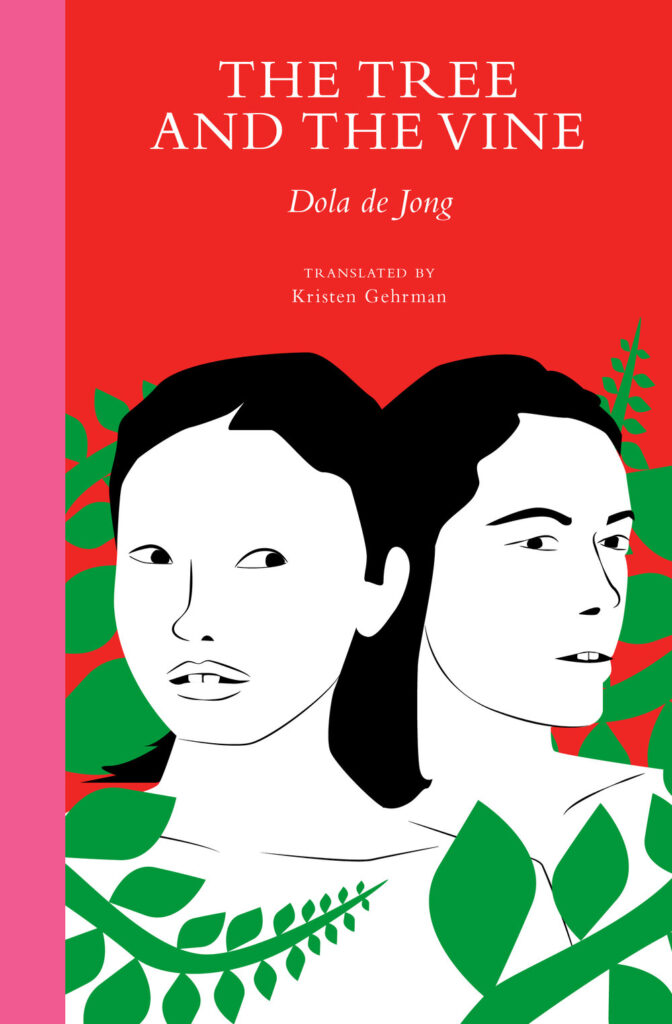
The Tree and the Vine — Dola de Jong, tr. from Dutch by Kristen Gehrman
“When Bea meets Erica at the home of a mutual friend, this chance encounter sets the stage for the story of two women torn between desire and taboo in the years leading up to the Nazi occupation of Amsterdam. Erica, a reckless young journalist, pursues passionate but abusive affairs with different women. Bea, a reserved secretary, grows increasingly obsessed with Erica, yet denial and shame keep her from recognizing her attraction. Only Bea’s discovery that Erica is half-Jewish and a member of the Dutch resistance—and thus in danger—brings her closer to accepting her own feelings.”

A Long Way from Douala — Max Lobe, tr. from French by Ros Schwartz
“Bursting with local color, this hilarious, heartwarming coming-of-age tale follows two friends on a raucous journey across Cameroon as they grapple with grief, sexuality, and dreams of leaving.
After their father’s sudden death, Jean’s older brother Roger decides he’s had enough of their abusive mother and their city. He runs away to try his luck crossing illegally into Europe, in the hope of becoming a soccer star abroad. When no news of him reaches the family, and the police declare that finding some feckless brat isn’t worth their time, Jean feels he has to act. Aiming to catch up with Roger before he gets to the Nigerian border, Jean enlists the help of the older Simon, a close neighborhood friend, and the two set out on the road.”

Boulder — Eva Baltasar, tr. from Catalan by Julia Sanches
“Working as a cook on a merchant ship, a woman comes to know and love Samsa, a woman who gives her the nickname ‘Boulder’. When Samsa gets a job in Reykjavik and the couple decides to move there together, Samsa decides that she wants to have a child. She is already forty and can’t bear to let the opportunity pass her by. Boulder is less enthused, but doesn’t know how to say no – and so finds herself dragged along on a journey that feels as thankless as it is alien.
With motherhood changing Samsa into a stranger, Boulder must decide where her priorities lie, and whether her yearning for freedom can truly trump her yearning for love.”
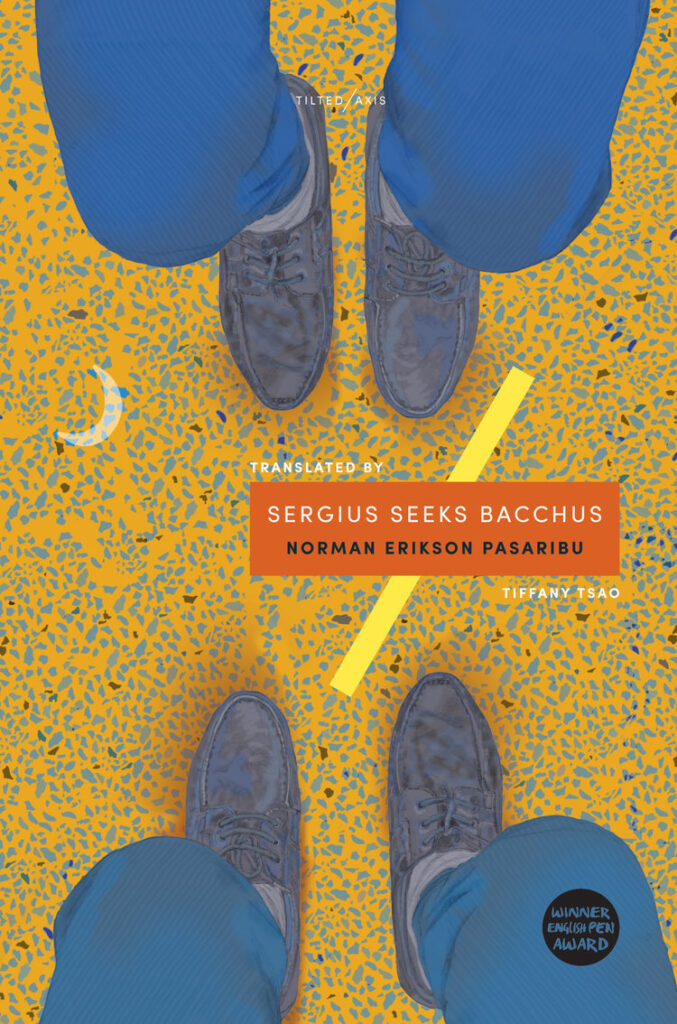
Sergius Seeks Bacchus — Norman Erikson Pasaribu, tr. from Indonesian by Tiffany Tsao
“Sergius Seeks Bacchus is a heartbreaking and humorous rumination on what it means to be in the minority in terms of sexuality, ethnicity, and religion. Drawing on the poet’s life as an openly gay writer of Bataknese descent and Christian background, the collection furnishes readers with an alternative gospel, a book of bittersweet and tragicomic good news pieced together from encounters with ridicule, persecution, loneliness, and also happiness.
The thirty-three poems in Norman Pasaribu’s prize-winning debut display a thrilling diversity of style, length, and tone, and telescope out from individual experience to that of fellow members of the queer community, finding inspiration equally in the work of great Indonesian poets and the international literary canon, from Dante to Herta Müller.”
Don’t miss your chance to celebrate this month in style with our new Pride in Translation bundle, featuring translations from Finnish, Danish, Portuguese, and Dutch. Offer ends June 30!