12 of the Best Books in Translation: Where to Start Your International Literary Journey
The world of translation is vast—I mean, it’s a worldwide endeavor! If you’re feeling a little lost about where to start in your journey into international literature, we have you covered. We’ve selected some of our favorite books, authors, and translators winning prestigious awards for global literature.
The world of translation is vast—I mean, it’s a worldwide endeavor! If you’re feeling a little lost about where to start in your journey into international literature, we have you covered. We’ve selected some of our favorite books, authors, and translators winning prestigious awards for global literature. We hope that this list will pique your curiosity and guide you to a sweeping tour of international literature.

1. The Years by Annie Ernaux, trans. from French by Alison Stayer (Seven Stories Press(opens in a new tab))
Annie Ernaux, winner of the Nobel Prize, is well-regarded for her ability to capture atmosphere. In The Years, Ernaux paints a stunning portrait of France in the years following WWII by tracing the lives of ordinary people through vignettes. Laundrymen, bakers, schoolgirls—though left unnamed—become an integral part of France’s emotional landscape. Alison Stayer’s scintillating translation captures the incisive nature of intimate detail while balancing Ernaux’s signature emphasis on a global, external perspective.
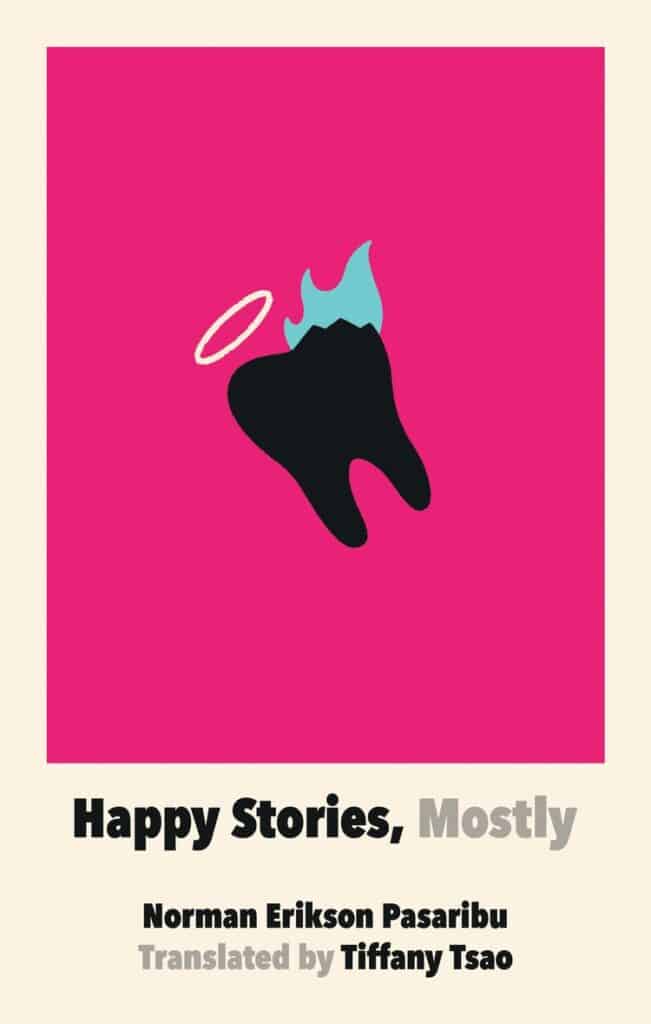
2. Happy Stories, Mostly by Norman Erikson Pasaribu, trans. from Indonesian by Tiffany Tsao (Feminist Press(opens in a new tab))
Piping hot from winning the 2023 PEN Translation Award, Tiffany Tsao’s new translation of Queer Indonesian author Norman Erickson Pasaribu features 12 different stories about living on the precipice of happiness. Each character (ranging from a new employee, to a tourist in Vietnam, to a young student’s obsession with an eccentric friend) brings a new take on dark humor, commentary on the human condition, and the fleeting feeling of belonging in the vacuum of the modern world.

3. Self-Portrait in Green by Marie NDiaye, trans. from French by Jordan Stump (Two Lines Press)
Our very own book of Marie NDiaye’s experimental prose won the CLMP Firecracker Award—and with such a sparkling book, we hope you feel the same excitement ten years later. NDiaye walks through the “women in green” that have populated her life, wreaking havoc on internal emotions and upending our conventions of feminine power in the modern age. Jordan Stump’s translation gives NDiaye’s tale the beauty of poetic prose, and a memoir/novel/collection of short stories that crosses so many boundaries deserves the finesse Stump endows.

4. The Words that Remain by Stênio Gardel, trans. from Portuguese by Bruna Dantas Lobato (New Vessel Press(opens in a new tab))
Brazilian author Stênio Gardel’s novel is the most recent recipient of the National Book Award for Translated Literature. His novel recounts the intensity of a young man’s first queer love affair—from the perspective of a 71-year-old man haunted by a letter he couldn’t read. The novel details the urban and the rural, the educated and the illiterate, the vast gaps between levels of privilege in Brazil. All this, while taking us on a sweeping journey through the hinterland of the countryside through the passionate prose of Bruno Dantas Lovato’s translation.
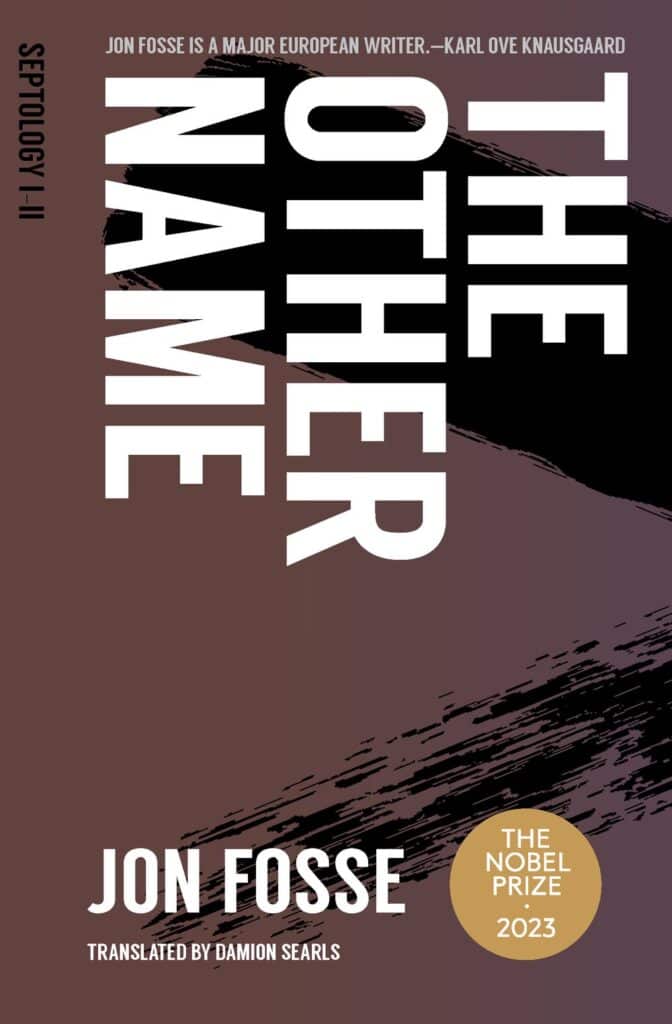
5. The Other Name by Jon Fosse, trans. from Norwegian by Damion Searls (Transit Books(opens in a new tab))
Our Bay Area friends at Transit Books are publishing some great translations—like Damion Searls’s English language renditions of Nobel Prize winner Jon Fosse! Fosse’s Septology trilogy has been hailed as a hypnotic meditation on the human condition. The Other Name is the first installment, and details an aging painter and widower whose life converges and diverges from that of a doppelgänger with the same name. The novel switches between first and third person, a poignant reflection on selfhood and individuality.

6. The Loose Pearl by Paula Ilabaca Núñez, trans. from Spanish by Daniel Borzutzky (co-im-press(opens in a new tab))
The brief narrative, written as an extended letter, is a sequence of reminiscences —some wistful, some bitter—recounted by recently widowed Senegalese schoolteacher Ramatoulaye Fall. Addressed to a lifelong friend, Aissatou, it is a record of Ramatoulaye’s emotional struggle for survival after her husband betrayed their marriage by taking a second wife. This semi-autobiographical account is a perceptive testimony to the plight of educated and articulate Muslim women. Angered by the traditions that allow polygyny, they inhabit a social milieu dominated by attitudes and values that deny them status equal to men. Ramatoulaye hopes for a world where the best of old customs and new freedom can be combined.
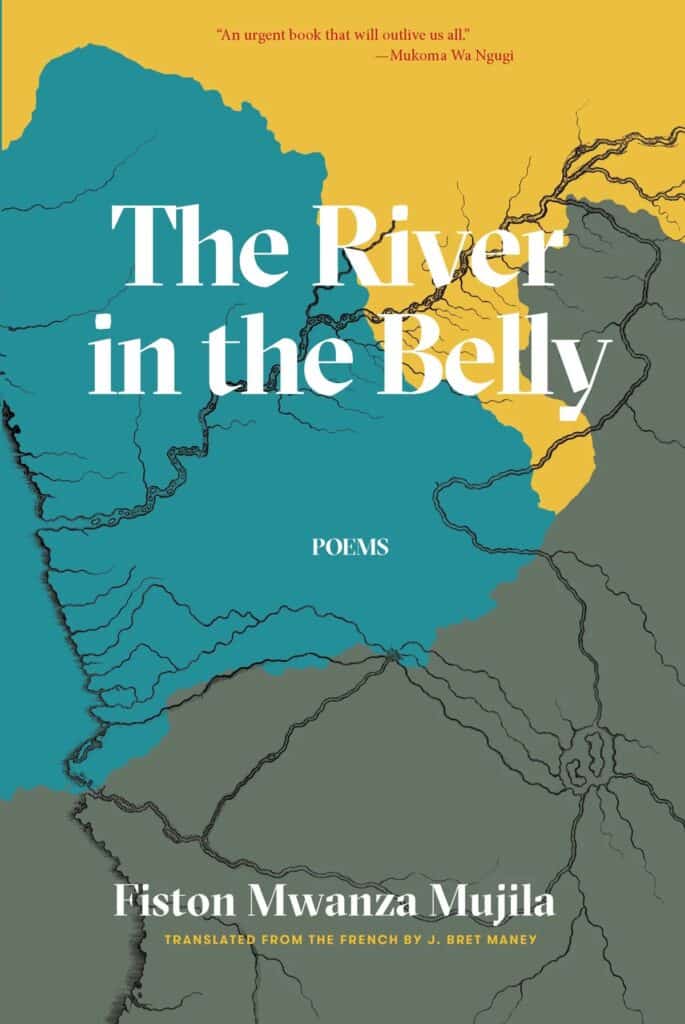
7. The River in the Belly by Fiston Mwanza Mujila, trans. from French by J. Bret Maney (Deep Vellum(opens in a new tab))
This poetry collection comes from the mind of award-winning Congolese author Fiston Mwanza Manila, whose new form of poem (a short piece called a “solitude”) reimagines the Congo River through the lenses of diaspora, the European linguistic lens. In his English-language debut, through a translation by J. Bret Maney, Mujila proves that the appeal of incisive poetry transcends geographic landscapes.
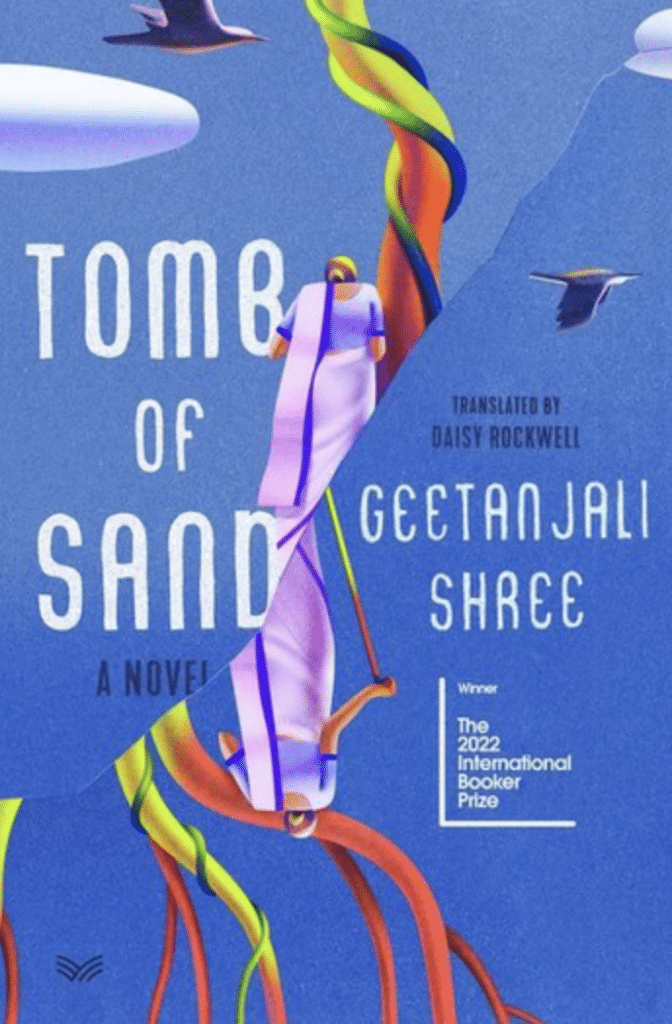
8. Tomb of Sand by Geetanjali Shree, trans. from Hindi by Daisy Rockwell (Harper Collins(opens in a new tab))
Daisy Rockwell was honored with the 2023 Vani Distinguished Translator Award this year, following her Booker International Prize-winning translation of Geetanjali Shree’s Tomb of Sand. This novel follows the revitalization of an aging matriarch, who finds a new vitality after her grandson gifts her a new came. The new cane shakes her from the grips of depression, and she radicalizes femininity for herself, her family, and her community.

9. The Vegetarian by Han Kang, trans. from Korean by Deborah Smith (Penguin Random House(opens in a new tab))
Han Kang and Deborah Smith share the International Booker Prize honoring The Vegetarian, one of the books that started a spike in Korean translation in recent years. The novel follows Yeong-hye’s recurring night terrors and their effects on her psyche. As Yeong-hye swears off meat, starves herself of sleep, and becomes more and more distant from her husband and sister—the novel becomes a third-person portrait of a woman’s descent into hallucinatory delusions and how that pulls her close contacts to acts of desperation and desire.

10. You Can Be the Last Leaf by Maya Abu Al-Hayyat, trans. from Arabic by Fady Joudah (Milkweed Editions(opens in a new tab))
A 2022 Finalist for the National Book Critics Circle Award, Palestinian author Maya Abu Al-Hayyat’s English-language debut (via a dazzling translation by Fady Joudah) is a poetry collection details two decades of life in a public war zone. The juxtaposition between intimate memories of adolescence and the external imposition of violence and loss. Al-Hayyat transitions between the pleasures of ordinary life and the the passion of life in extraordinary circumstances.

11. The Prisoner: A Memoir by Hwang Sok-Yong, trans. from Korean by Anton Hur (Verso(opens in a new tab))
Award-winning author and translator Anton Hur’s 2021 translation of Hwang Sok-Yong’s memoir brought to light the story of Sok-Yong’s five years within the Seoul Detention Center. After an unauthorized trip to North Korea to encourage artistic collaboration across the DMZ, Sok-Yong finds himself left to ponder the concept of prisons—political, physical, mental. The author, while divulging his most personal thoughts on freedom and captivity, illustrates the divergences and convergences between his life at the time of writing and his life as a young activist in Pyongyang.
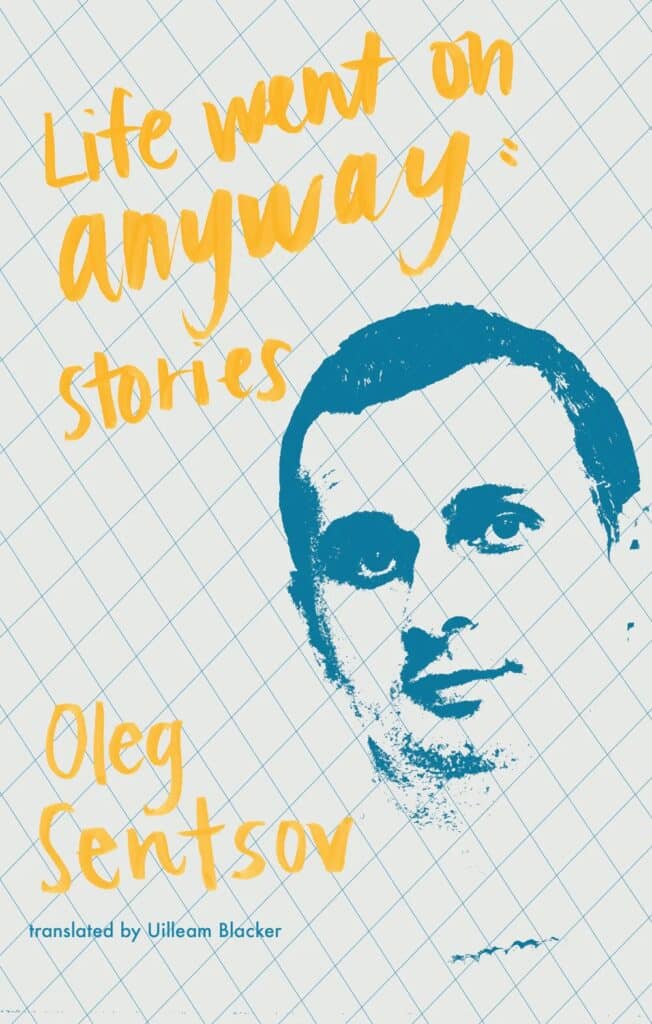
12. Life Went on Anyway by Oleg Santsov, trans. from Russian by Uilleam Blacker (Deep Vellum(opens in a new tab))
Award-winning Ukrainian film director Oleg Santsov writes nostalgic, haunting prose recollections on his rise as a dissident artist in Crimea. Uilleam Blacker’s translation allows us insight into the arrest, trial, and imprisonment that Santsov’s autobiographical stories illustrate with vivid detail, and the stories have been used by PEN International and the European Film Academy as they fought for Santsov’s eventual release. The book is stirring, at once a rallying cry for international human rights and a filmmaker’s portrait of his own development.
Giovanna Lomanto is a poet and essayist with a tendency to play the same song on repeat until she has memorized every last note. She received her BA in English at U.C. Berkeley and finished her MFA at NYU, during which time she published two poetry collections and two mixed media chapbooks.