Indigenous Literature in Translation

In honor of Indigenous People’s Day, we’re spotlighting the process, products, and art of translating Indigenous literature.
In honor of Indigenous People’s Day, we’re spotlighting the process, products, and art of translating Indigenous literature. It’s important for the Center for the Art of Translation to acknowledge that we are headquartered on unceded Ramaytush-Ohlone land, and that we are committed to honoring the Indigenous voices in our community—some of whom we’d like to spotlight today.
The cultural preservation of Indigenous culture is a category fraught with governmental obstacles—the forced reeducation of Native peoples all around the world has created a mass extinction 573 known languages.
Of the many Indigenous languages still spoken today—editors like Allison Adelle Hedge Coke and Brian Swan are working to keep the literature of their communities in print. We’ve included links to their collections here:
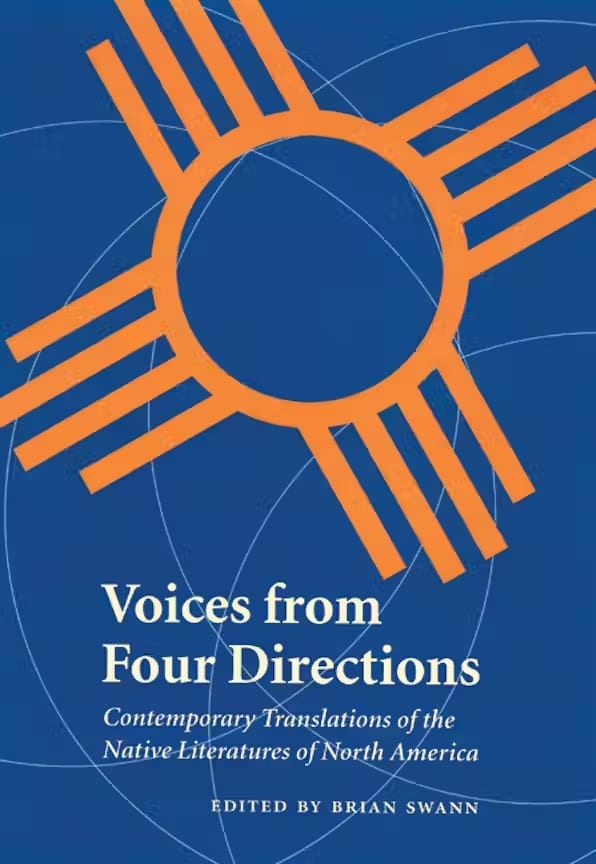
VOICES FROM FOUR DIRECTIONS: Contemporary Translations of Native Literatures of North America(opens in a new tab)
Edited by Brian Swann
University of Nebraska Press (2004)
Storytelling and singing continue to be a vital part of community life for Native peoples today. Voices from Four Directions gathers stories and songs from thirty-one Native groups in North America—including the Iñupiaqs in the frigid North, the Lushootseeds along the forested coastline of the far West, the Catawbas in the humid South, and the Maliseets of the rugged woods of the East. Vivid stories of cosmological origins and transformation, historical events remembered and retold, as well as legendary fables can be found in these pages. Well-known Trickster figures like Raven, Rabbit, and Coyote figure prominently in several tales as do heroes of local fame such as Tom Laporte of the Maliseets. The stories and songs entertain, instruct, and recall rich legacies as well as obligations. Many are retellings and reinventions of classic narratives, while others are more recent creations.
Award-winning poet and critic Brian Swann has gathered some of the richest and most diverse literatures of Native North America and provides an introduction to the volume. In addition, each story is introduced and newly translated.
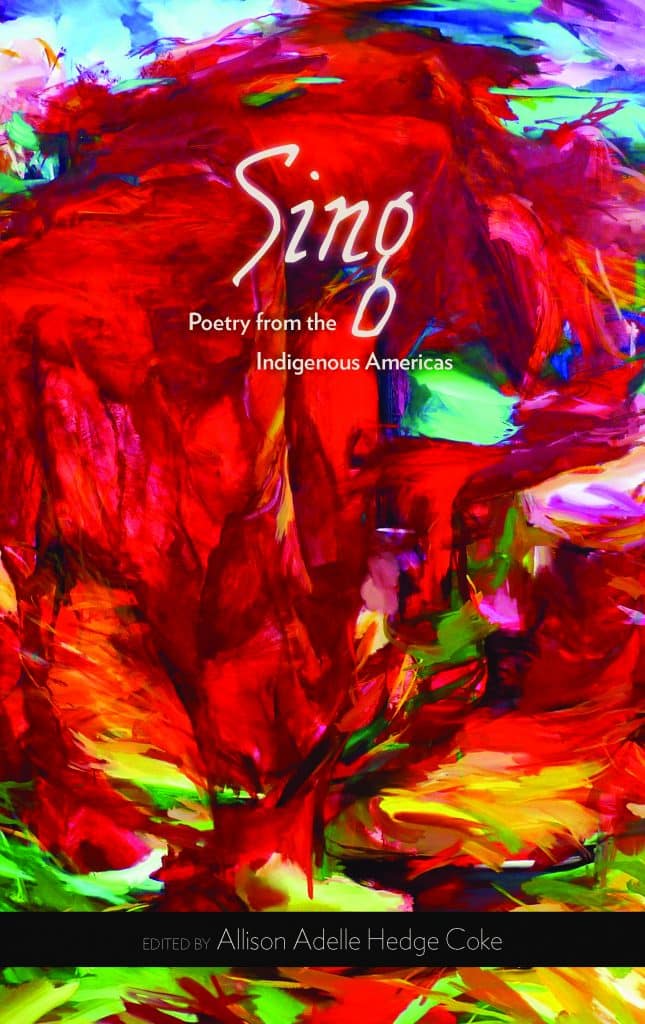
SING: Poetry from the Indigenous Americas
(opens in a new tab)Edited by Allison Adelle Hedge Coke
University of Arizona Press (2011)
Editor and poet Allison Adelle Hedge Coke assembles this multilingual collection of Indigenous American poetry, joining voices old and new in songs of witness and reclamation. Unprecedented in scope, Sing gathers more than eighty poets from across the Americas, covering territory that stretches from Alaska to Chile, and features familiar names like Sherwin Bitsui, Louise Erdrich, Joy Harjo, Lee Maracle, and Simon Ortiz alongside international poets—both emerging and acclaimed—from regions underrepresented in anthologies.
They write from disparate zones and parallel experience, from lands of mounded earthwork long-since paved, from lands of ancient ball courts and the first great cities on the continents, from places of cold, from places of volcanic loam, from zones of erased history and ongoing armed conflict, where “postcolonial” is not an academic concept but a lived reality. As befits a volume of such geographical inclusivity, many poems here appear in multiple languages, translated by fellow poets and writers like Juan Felipe Herrera and Cristina Eisenberg.
Simultaneously, it’s important to support Indigenous authors writing today. In the translation world, it’s important to remember that Indigineity is not relegated to one language or locale. One of the most prominent works in international Indigenous literature today is National Book Award–finalist Ædnan, written by Linnea Axelsson and translated from Swedish by Two Lines Press translator Saskia Vogel. We’ve also selected two more novels for your reading list on Indigenous literature in translation:
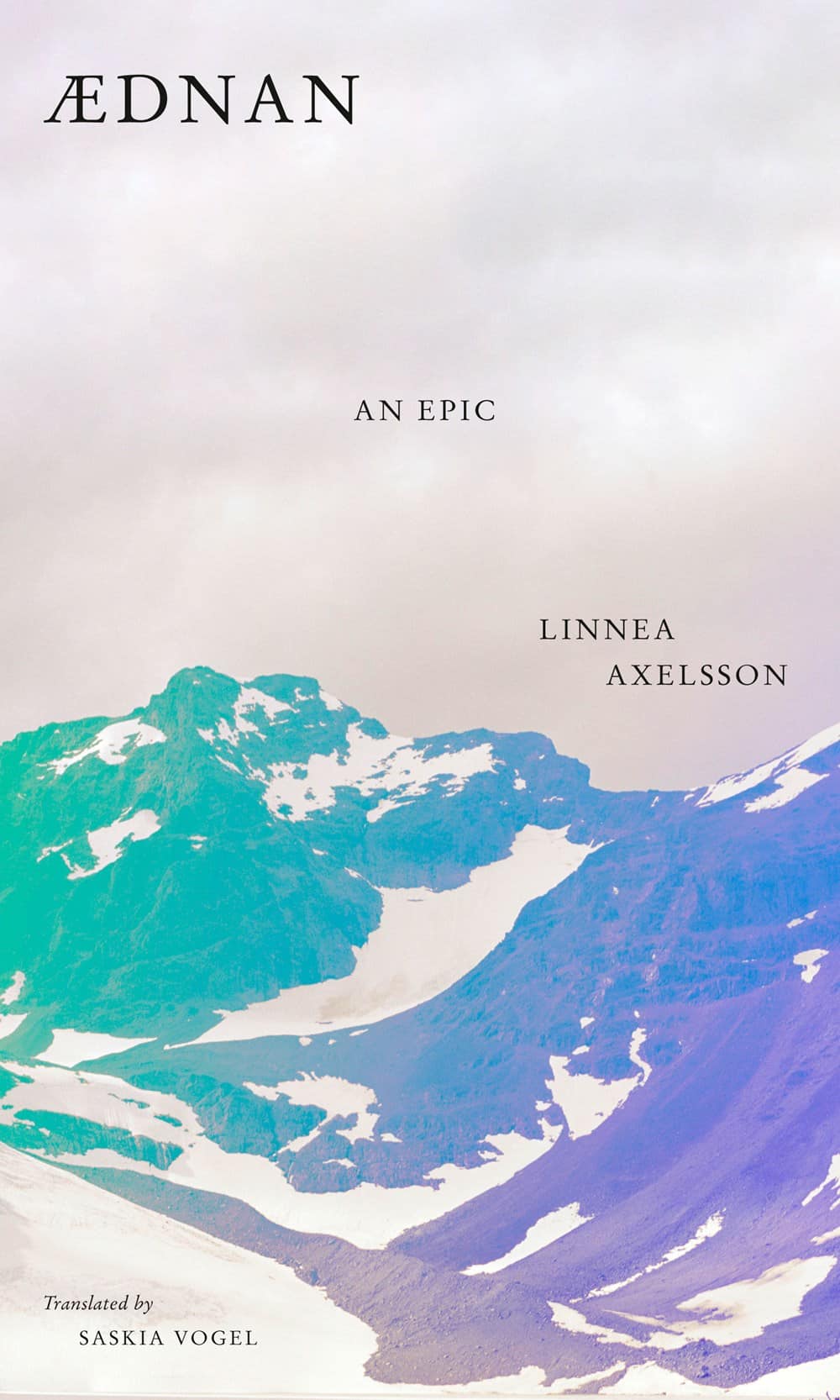
Ædnan: An Epic(opens in a new tab)
by Linnea Axelsson (trans. Saskia Vogel)
Penguin Random House (2024)
In Northern Sámi, the word Ædnan means the land, the earth, and my mother. These are all crucial forces within the lives of the Indigenous families that animate this groundbreaking book: an astonishing verse novel that chronicles a hundred years of change: a book that will one day stand alongside Halldór Laxness’s Independent People and Sigrid Undset’s Kristin Lavransdatter as an essential Scandinavian epic.
The tale begins in the 1910s, as Ristin and her family migrate their herd of reindeer to summer grounds. Along the way, forced to separate due to the newly formed border between Sweden and Norway, Ristin loses one of her sons in the aftermath of an accident, a grief that will ripple across the rest of the book. In the wake of this tragedy, Ristin struggles to manage what’s left of her family and her community.
In the 1970s, Lise, as part of a new generation of Sámi grappling with questions of identity and inheritance, reflects on her traumatic childhood, when she was forced to leave her parents and was placed in a Nomad School to be stripped of the language of her ancestors. Finally, in the 2010s we meet Lise’s daughter, Sandra, an embodiment of Indigenous resilience, an activist fighting for reparations in a highly publicized land rights trial, in a time when the Sámi language is all but lost.
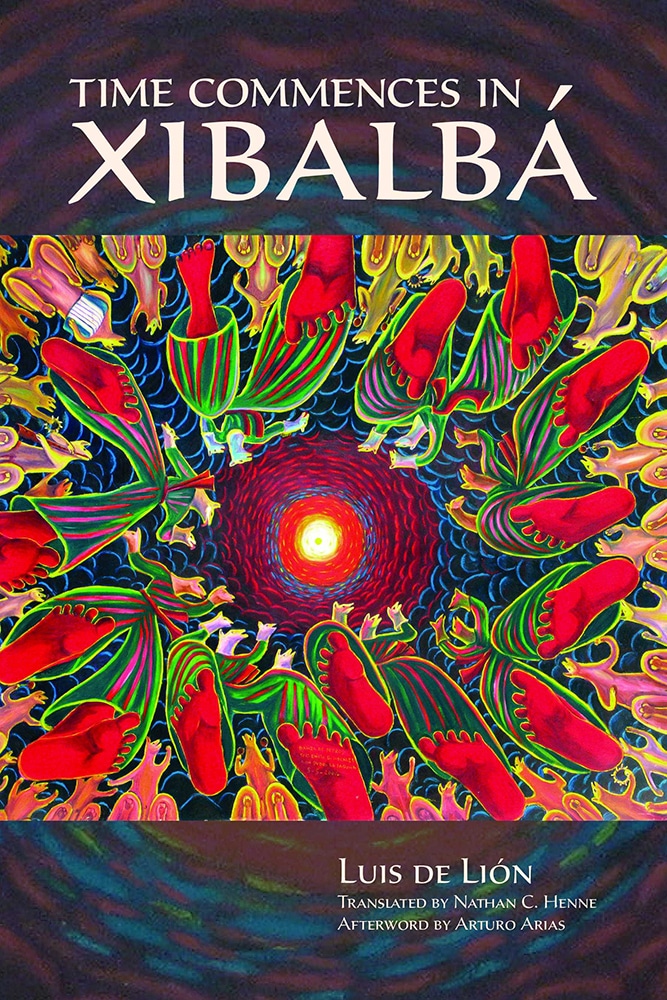
Time Commences in Xibalbá(opens in a new tab)
by Luis de Lión (trans. Nathan C Henne)
University of Arizona Press (2011)
Time Commences in Xibalbá tells the story of a violent village crisis in Guatemala sparked by the return of a prodigal son, Pascual. He had been raised tough by a poor, single mother in the village before going off with the military. When Pascual comes back, he is changed—both scarred and “enlightened” by his experiences. To his eyes, the village has remained frozen in time. After experiencing alternative cultures in the wider world, he finds that he is both comforted and disgusted by the village’s lingering “indigenous” characteristics.
The first translation into English of this thought-provoking novel includes a conluding essay by the translator suggesting that a helpful approach for the reader might be to see the work as enacting the never-quite-there poetics of translation underlying Guatemala’s indigenous heart. An afterword by Arturo Arias, the leading thinker on Indigenous modernities in Guatemala, offers important approaches to interpreting this challenging novel by showing how Guatemala’s colonial legacy cannot escape its racial overtones and sexual undertones as the nation-state struggles to find a suitable place in the modern world.
Giovanna Lomanto is a poet and essayist with a tendency to play the same song on repeat until she has memorized every last note. She received her BA in English at U.C. Berkeley and finished her MFA at NYU, during which time she published two poetry collections and two mixed media chapbooks.