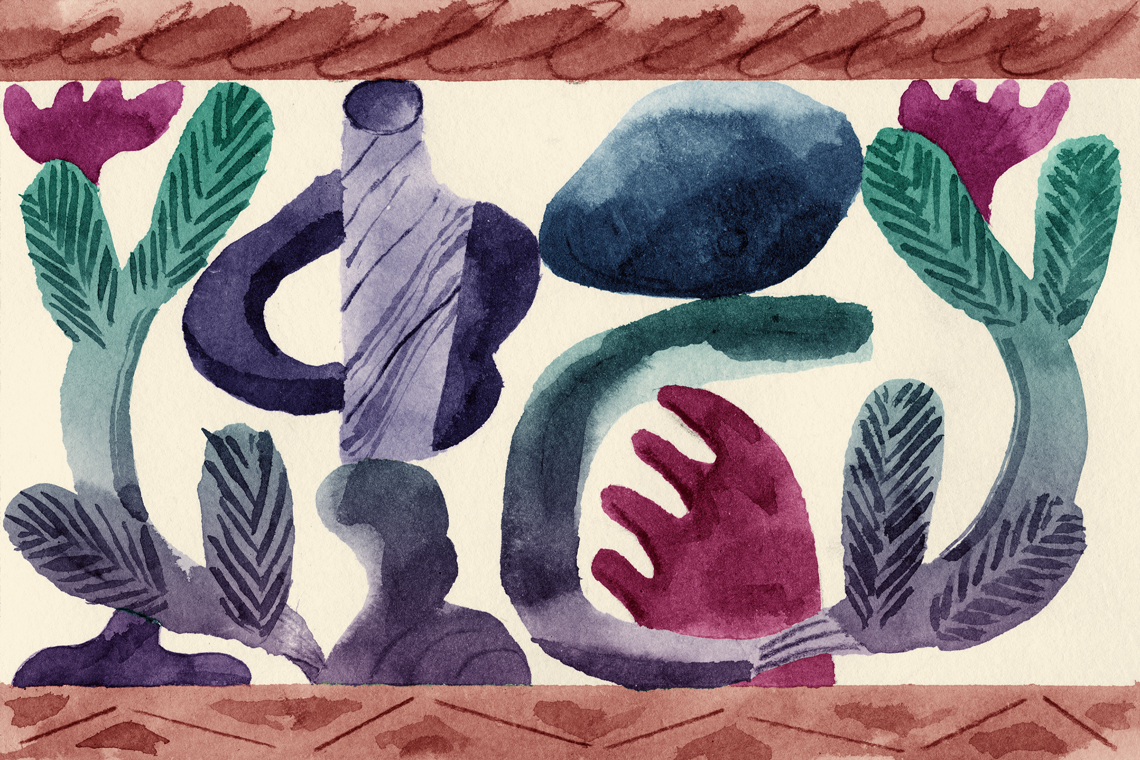
the blue-collar love of my friend q.
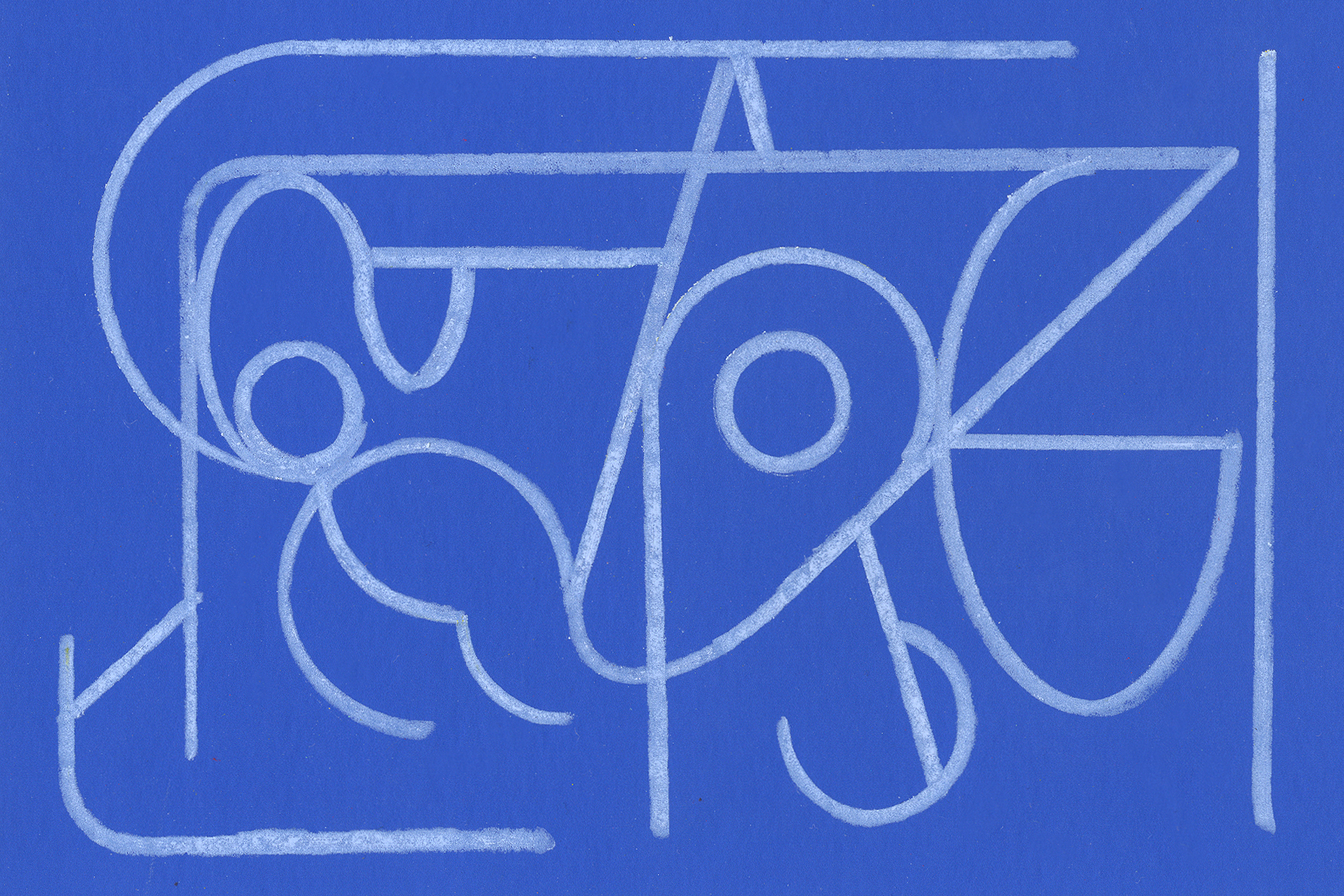
the blue-collar love of my friend q. and her factory worker body that lifts me up every time we see each other, because she doesn’t know where else to go with our joy but up.
und als ich dann endlich groß war, nahm ich all meine kräfte zusammen, um für volk und vaterland so nutzlos wie möglich zu sein.
戴维娜 dài wéinà (2014)
und als ich dann endlich groß war, nahm ich all meine kräfte zusammen, um für volk und vaterland so nutzlos wie möglich zu sein.
戴维娜 dài wéinà (2014)
| david der-wei wang: worlding literary china (2017)
ackbar abbas: hong kong. culture and the politics of disappearance
leo ou-fan lee: the romantic generation of modern chinese writers (1973)
alvin pang: china (2018) 西西:烤饼
eileen myles: aurora (1997)
韩博:黑烟挂晒
戴维娜:写小说的人
nâzım hikmet via translate for justice: gebt den kindern die welt (1962)
郑小琼:产品叙事
rey chow: not like a native speaker. on languaging as a postcolonial experience (2014) eileen myles: yellow tulips (1982)
kit fan: hong kong and the echo (2019)
颜峻:小东西yán jùn: kleine dinge (2016) 崔健:一无所有cuī jiàn: nothing to my name (1986) |
fuck it, let’s move to taiwan, steht am tag nach den wahlen auf einer mauer in wan chai. hilflosigkeit, die sich graffittis schreibt, antizipatorische nostalgie. vor dem balkon lungert die bucht von kowloon, eine langsame bewegung, die nicht auf dich gewartet hat.
mit hong kong ist es wie mit venedig, sagt z., man heddert sich durch eine stadt, die vergangenheit ist und der man beim langsamen verschwinden zusieht, eine stadt wie ein rückwärts laufendes tetris-spiel.
āiyā, sagt q., diese stadt hat immer schon von sich behauptet, dass es sie bald nicht mehr geben wird, ihre nostalgie ist kein problem, sie ist ein modus, etwas, wovon du ausgehen, etwas, das du verwenden kannst. ich habe das nicht gewusst.
also alles sammeln, festhalten, umdrehen, verwenden, weil alles. alles wird verschwinden, und alles, was du nicht verwendest, wird gegen dich verwendet werden: die gekachelten mauern, gekachelten hochhäuser, gekachelten gehwege, als wäre die stadt ein swimming pool, ein operationssaal oder eine andere art von raum, in dem es wichtig ist, dass die wände schwitzen; dass flüssigkeiten von ihnen ablaufen können. die 2600 fuß rolltreppe von queens road central nach conduit road, als hätte die stadt ihre blutbahnen auf der hautoberfläche markiert, um sie im notfall wiederzufinden; als wäre die stadt ein riesiges kaufhaus aus der zeit, als es noch kaufhäuser gab. jedes einzelne dàntǎ, kolonialismus als eiercremetörtchen, das keinem mehr wehtut. siamrosa und indischgrün, bambusgerüste und maschendrahtzäune, sportplätze, container, dachterrassen. zwei mickeymäuse aus waschbeton, die eine bank aus waschbeton anbieten wie man waschbeton anbietet, in einem land voller waschbeton.
es ist der sommer, in dem ich lerne, dass man auch seine freundinnen küssen kann. es ist der sommer, in dem es sechs abgeordnete der unabhängigkeitsbewegung ins parlament schaffen, nachdem alle anderen kandidatinnen der bewegung von den wahlen ausgeschlossen wurden.[1] es ist der sommer, in dem ich hier bin, in einer stadt, die teil einer liste und teil eines verschwindens ist. tiānjīn, xiàmén, àomén, shànghǎi, qīngdǎo, hànkǒu, níngbō, fúzhōu, hong kong, hā’ěrbīn, dànshuǐ, guǎngzhōu, dàlián, zhènjiāng, kūnmíng: treaty ports, vertragshäfen, gǎngbù. zwangsgeöffnet, zwangsverpachtet, zwangszollbefreit, d.h.: miniaturkolonien mit einem recht für ihre bewohnerinnen und einem recht für ihre dauercamper aus europa. als ein kreuzergeschwader der kaiserlichen marine unter konteradmiral otto von diederichs 1898 die hafenstadt qīngdǎo fürs deutsche reich reklamiert, schreibt lín shū, übersetzer von 173 europäischen romanen, der keine einzige fremdsprache beherrscht, eine warnung an den chinesischen kaiserhof: wenn der weiße mann amerika annektieren kann, dann kann er auch china schlucken. ich habe das nicht gewusst.
tretboote, maiskolben, ein rotkronenkranich im zoo. guck mal, sage ich zu till, da hinten ist ein ganz kleiner affe, der sich ganz langsam bewegt. nǐ kàn, sagt neben uns ein tourist vom festland zu seinem sohn, nàli yǒu gè xiǎoxiǎo hóuzi, mànmàn de dòngzuò. für jede ambivalenz, die ich in ihre einzelteile zerlegt und verwendet bekomme, kommen zwei neue dazu.
worte, die wichtig sind. in hong kong lese ich, was alvin pang über china schreibt: china was languages we could not afford but hoarded in our mouths anyway. in hong kong lese ich, was xī xī über hong kong schreibt: je länger man english afternoon tea trinkt, desto weniger schmeckt er wie früher.
in hong kong gibt es bemooste hochhäuser, abgetragenen futurismus, in hong kong kommen die bilder, die worte für hong kong mit der zerstückelten geschwindigkeit eines ganz kleinen affen, der sich ganz langsam bewegt: it’s either the very old and way too pricey, shiny stuff, or a commonplace that can’t be lifted easily and in between it’s gone that’s why we’re here.
aber das kannst du besser sagen, sagt z., in einer sprache, die weder ihr noch mir, sondern dem gespräch gehört, die schlecht schläft, viel träumt – träumen, mèngjiàn, noch so ein zweisilbenwort, mèng: traum, jiàn: sehen, träumen: mèngjiàn: schlafsehen –, die nach mitternacht wach wird und die minibar leermacht, die alles, was sie finden kann, weil alles: gezuckerte kondensmilch und rote bohnenpaste, klebreiskuchen, gegrillte mántou und gegrillte silberpilze, wunschlaternen, suānlàtāng, sesampudding, die straße in sheung wan (des voeux road west), wo es hundert geschäfte für getrocknete meeresfrüchte, doppeldeckerbusse und sonst nichts gibt.
alle glauben, dass ihr zuhause schön sei, sagt q. und lächelt für das foto, das niemand macht. méi bànfǎ, sagt q. und zuckt mit den schultern: machste nix, und auch das ist ein zauberspruch. eine zikade öffnet den sommer, wie man einen brief öffnet; wir eröffnen unsere freundschaft, wie man ein festival eröffnet, etwas mit halbpension, buffet und poollandschaft, etwas, das für alles andere entschädigen soll.
es ist der sommer, in dem ich hier bin, in einer liebe, die so ernst ist, dass ich sie üben muss, die so ernst gemeint ist, dass ich sie üben muss, und auch diese liebe weiß nicht so richtig, wie soll es weitergehen mit ihr. die hemdsärmelige liebe meiner freundin q. und ihr fabrikarbeiterinnenkörper, der mich jedes mal hochhebt, wenn wir uns sehen, weil er mit unserer freude nirgendwo hin weiß als nach oben.
die vorsichtige liebe meiner freundin z. und ihre klugheit, die vom standbein aufs standbein tritt, nervös bleibt, nach spiel sucht, die eine wiederholung ist, wiederholung einer unsicherheit, eines kennenlernens und einer liebe, die alles nennen muss, weil alles in die sprache gehört, geholt, gehört werden muss, wiederholung einer wiederholung, die alles sammeln muss, weil alles.
die liebe von q. und die liebe von z. sind eine freundlichkeit, eine zärtlichkeit und ein scherz, yī zhǒng wánxiào, yī zhǒng àifǔ, etwas, das eh klar ist, das zärtlich ist wie die bewegung, mit der man einen fisch erschlägt, mit der sicherheit eines nachlässigen versprechens, das man einer geliebten macht, bevor man am frühen morgen alleine nach hause geht, dass die welt freundschaft lernen soll für einen tag nur.
worte, die wichtig sind. worte, die nützlich sind. in hong kong gibt es curryfischbällchen und bratnudeln für 1,50 und mehr dollar-millionäre als in fast jeder anderen stadt der welt. in hong kong gibt es nichts zu sehen, wenn man nicht vorher weiß, in welchem stockwerk es sich befindet; in hong kong steht alles offen, aber nichts ausgeschildert. ich habe das nicht gewusst.
es ist der sommer, in dem die regenschirmrevolution endgültig scheitert, in dem ich hier bin, zu gast, in einer sprache, in der ich immer die jüngere bleiben werde, in der man xīnlíng, herzgeist, zu klugheit sagt und permanent die verben, adjektive und nomen wiederholt, aber aus jeweils anderen gründen. die einzige meiner sprachen, in der ich einen selbstgewählten namen trage. und auch diese sprache ist hier nur zu gast.
nicht wie eine muttersprache, wie eine tochtersprache, und die anderen töchter sind zu schön, um nicht mit ihnen schlafen zu wollen. zu wahr, um wahr zu sein. auf allen fotos, die ich von z. habe, lächelt unsere skepsis in verschiedene richtungen. es sind fotos, die jetzt schon aussehen, als würde meine tochter sie nach meinem tod durchsehen.
in hong kong gibt es die ruinen einer zukunft, die es nie gab, sagt till: höher als das finanzviertel in tokyo und abgefuckter als die plattenbauten aus der chruschtschow-ära.
in hong kong gibt es die xīnjiè, die new territories, die neuen welten als wahlbezirk, gibt es oblatendünne notizzettel, kinderkopfgroße seerosen, instantkaffee, tütensuppen, bier für china und die welt – zhōngguó de, shìjiè de –, gibt es hungrige geister und stifte der marke yīngxióng, der marke hero, gibt es jeden tag eine möglichkeit, seine fähigkeiten im schlafen in der öffentlichkeit zu verbessern, gibt es eine beruhigend unendliche menge von boxlike existences where one language is never enough.
in hong kong gibt es die alte frau im türkisen badeanzug, mit der orangenen badekappe, die hinter dem gelben metallschild, schwimmen verboten, yóuyǒng jìnzhǐ, in einer bucht auf lamma island ins meer klettert, langsam, rutschend, über felsen, zwischen die ihre füße nicht passen. wǒ yào zhēn pǔxuǎn, hat jemand mit filzstift aufs geländer geschrieben, ich will ein echtes, allgemeines wahlrecht, und darunter hat jemand mit einem anderen stift etwas gemalt, das ich für einen regenschirm halten will.
in owl, der ontology web language, einer modelliersprache, mit der man informationen so aufbereiten kann, dass sie für maschinen interpretierbar werden, gibt es zwei grundlegende regeln. erstens, die open world assumption: absence of information must not be valued as negative information. (nur weil keine informationen über einhörner hinterlegt sind, heißt das nicht, dass einhörner in dieser welt prinzipiell ausgeschlossen sind.) zweitens, die no unique name assumption: difference must be expressed explicitly. (tóngyàng ge qūbié: falls es nicht irgendwo explizit anders steht, sprechen alle einhörner dieselbe sprache.)
also: alles sammeln, weil alles genannt werden soll, als wütende behutsamkeit, als geste des respekts, als exakte würdigung des lernens, das geschehen kann, als detaillierte liebeserklärung, die angst hat und übt.
ich habe von euch geträumt, sagt z., von der kreuzung prince edward road west ecke fa yuen gaai, ihr saßt in einem restaurant und das licht darin war gelb wie im inneren eines hühnereis; welche art von ei es war, das war wichtig.
was ich brauche: hühnereier, wahlrecht, schwimmunterricht. gastfreundliche sprachen, freundinnen, einen staat, der die freundinnen sprechen und denken lässt, wichtige worte, nützliche worte, worte, die meine sprache nicht spricht. was ich brauche und was ich von all dem habe ist yī wú suǒ yǒu, was ich von all dem habe ich nichts davon. |
| tammy ho lai-ming: simplicity is not an option (2019)tammy ho lai-ming: doubtless (2019) | es ist der sommer mehrere jahre bevor ich dieses buch schreibe, in einem anderen sommer, in dem tammy ho lai-ming über hong kong schreibt: in schools they don’t teach the scenario of running away from being tear-gassed, und zwei gedichte weiter schreibt sie: doubtless a people are propelled to be creative with words and images when so many of their protective gear is homemade, taken from thousands of homes. doubtless some pictures still tug at the heart. doubtless our attentive inventiveness is part of our strategy. |
and when I had finally grown-up, I summoned all my strength to be as useless as possible for the motherland and the people.
戴维娜 dài wéinà (2014)
| david der-wei wang: worlding literary china (2017)
ackbar abbas: hong kong. culture and the politics of disappearance
leo ou-fan lee: the romantic generation of modern chinese writers (1973)
alvin pang: china (2018) 西西:烤饼
eileen myles: aurora (1997)
韩博:黑烟挂晒
戴维娜:写小说的人
nâzım hikmet: let’s give the world to the children (1962)
郑小琼:产品叙事
rey chow: not like a native speaker. on languaging as a postcolonial experience (2014) eileen myles: yellow tulips (1982)
kit fan: hong kong and the echo (2019)
颜峻:小东西yán jùn: little things (2016) 崔健:一无所有cuī jiàn: nothing to my name (1986) |
fuck it, let’s move to taiwan, is written on a wall in wan chai the day after the elections. helplessness that writes graffiti, anticipatory nostalgia. kowloon bay awaits beyond the balcony, an unhurried movement that didn’t wait for you.
with hong kong it’s like with venice, z. says, you muddle through a city that’s past and you slowly watch it disappear, a city like a tetris game in reverse.
āiyā, q. says, this city has always claimed that it soon wouldn’t exist. its nostalgia isn’t a problem, it’s a mode. something where you can assume, something that you can use. I didn’t know that.
so collect everything, record it, turn it around, use it, because everything. everything will disappear, and everything that you don’t use will be used against you: the tiled walls, the tiled high-rises, the tiled sidewalks, as if the city were a swimming pool, an operating room, or another kind of space where it’s important that the walls perspire; that liquid can roll off them. the 2,600 foot-long escalator from queen’s road central to conduit road, as if the city had marked its veins and arteries on the surface of its skin to find them in an emergency; as if the city were a huge department store from the time when there were still department stores. every single dàntǎ, colonialism as egg tart that no longer hurts. siamese pink and indian green, bamboo scaffolding and chain-link fences. athletic fields, trash containers, rooftop gardens. two mickey mouses made of exposed aggregate cement, which make up a bench of exposed aggregate concrete, the way you offer exposed aggregate concrete in a country full of exposed aggregate concrete.
it’s the summer I learn that you can kiss your friends, too, even if they’re girls. it’s the summer that six members of the independence movement make it into parliament after all of the other candidates were excluded from the election.[1] it’s the summer that I’m here in a city that is part of a list and part of a disappearance. tiānjīn, xiàmén, àomén, shànghǎi, qīngdǎo, hànkǒu, níngbō, fúzhōu, hong kong, hā’ěrbīn, dànshuǐ, guǎngzhōu, dàlián, zhènjiāng, kūnmíng: treaty ports, gǎngbù. forcibly opened, forcibly leased, forcibly exempted from customs. i.e.: miniature colonies with rights for its inhabitants and rights for its permanent squatters from europe. when in 1898 an imperial german navel cruiser squadron under rear admiral otto von diederichs claimed the port city of qīngdǎo for the german empire, lín shū, a translator of 173 european novels who didn’t speak a single foreign language, wrote a warning to chinese imperial court: if the white man can annex america, then he can swallow china too. I didn’t know that.
paddle boats, corn on the cob, a red-crowned crane in the zoo. look, I say to till, back there’s a very small monkey that’s moving very slowly. nǐ kàn, is what a tourist from the mainland next to us says to his son, nàli yǒu gè xiǎoxiǎo hóuzi, mànmàn de dòngzuò. for every ambivalence that I’ve split into its constituent parts and use, they are joined by two more.
words that are important. in hong kong I read what alvin pang writes about china: china was languages we could not afford but hoarded in our mouths anyway. in hong kong I read what xī xī writes about hong kong: the longer you drink english afternoon tea, the less it tastes like it used to.
in hong kong there are high-rises covered in moss, shabby futurism, in hong kong the images , the words for hong kong come with the fragmented speed of a very small monkey that moves very slowly: it’s either the very old and way too pricey, shiny stuff, or a commonplace that can’t be lifted easily and in between it’s gone that’s why we’re here.
but you can say that better, z. says in a language that belongs neither to her nor me, just the conversation, which sleeps poorly, dreams heavily—dreaming, mèngjiàn, yet another one of those two-syllable words, mèng: dream, jiàn: see, dream: mèngjiàn: sleep seeing—which wakes up after midnight and empties the minibar, everything it can find. because everything: sweetened condensed milk and red bean paste, mochi, grilled mántou and grilled silver enokitake mushrooms. sky lanterns, hot and sour soup, sesame pudding, the street in sheung wan (des voeux road west) where there are hundreds of shops for dried seafood, double-decker buses, and nothing else.
everyone believes that their home is beautiful, q. says and smiles for the photo that no one takes. méi bànfǎ, q. says and shrugs her shoulders: whatever, and even that is a magic spell. a cicada starts the summer like a letter is opened; we open our friendship like a festival is opened, something with half board, buffet, and a pool landscape. something that should make up for everything else.
it is the summer that I am here, in a love that it so serious that I have to practice it, that is meant so seriously I have to practice, and even this love doesn’t really know how things should go on. the blue-collar love of my friend q. and her factory worker body that lifts me up every time we see each other, because she doesn’t know where else to go with our joy but up.
the cautious love of my friend z. and her wisdom that moves from one mainstay to another, stays nervous, looks for wiggle room, that is a repetition, repetition of an uncertainty, a getting to know you, and a love that has to name everything, because everything should be put into words, has to be heard, repetition of a repetition that has to collect everything, because everything.
the love of q. and the love of z. are a kindness, a tenderness, and a joke, yī zhǒng wánxiào, yī zhǒng àifǔ, something that’s obvious, as tender as the motion used to kill a fish, with the certainty of a careless promise that is made to a lover before going home early in the morning, that the world should learn friendship for at least one day.
words that are important. words that are useful. in hong kong there are curry fish balls and fried noodles for 1.50 and more people with a million dollars than in almost any other city in the world. in hong kong there’s nothing to see when you don’t know in advance on which story it’s located; in hong kong everything is open, but there are no signs for anything. I didn’t know that.
it’s the summer when the umbrella revolution finally failed, the summer when I am here, a guest in a language in which I’ll always stay the younger, where people say xīnlíng, heart spirit, for wisdom, and constantly repeat the verbs, adjectives, and nouns, but always for different reasons. the only one of my languages in which I have a name of my own choosing. and even this language is just a guest here.
not like a mother tongue, like a daughter tongue, and the other daughters are too beautiful for you to not want to sleep with them. too true to be true. in all the other photos I have of z., our skepticism is smiling in different directions. they are photos that already look like my daughter would look through them after my death.
till says that in hong kong there are ruins of a future that never existed: higher than the financial district in tokyo and more fucked up than the prefabricated buildings of the khruschev era.
in hong kong there’s the xīnjiè, the new territories, the new worlds as a constituency. there are notices thin as communion wafers, water lilies as big as children’s heads, instant coffee, beer for china and the world—zhōngguó de, shìjiè de—there are hungry spirits and yīngxióng brand pens, the hero brand. every day there’s the possibility to improve your skills at sleeping in public, there is a comfortingly endless amount of boxlike existences where one language is never enough.
in hong kong there’s the old woman in a turquoise bathing suit, with the orange swim cap, who climbs into the sea in a bay off lamma island, behind the yellow metal sign, yóuyǒng jìnzhǐ, swimming prohibited, slowly, sliding, over cliffs her feet don’t fit between. someone wrote wǒ yào zhēn pǔxuǎn on the railing with a marker, I want real, universal voting rights, and underneath that someone drew something I want to think is an umbrella.
in owl, the ontology web language, a modeling language used to process information so that it can be interpreted by machines, there are two basic rules. first, the open world assumption: absence of information must not be valued as negative information. (just because there is no information recorded about unicorns doesn’t mean that unicorns are excluded from this world as a matter of principle.) second, the no unique name assumption: difference must be expressed explicitly. (tóngyàng ge qūbié: in case not explicitly stated elsewhere, all unicorns speak the same language.)
so: collect everything, because everything should be named, as a furious gentleness, as a gesture of respect, as an exact appreciation of learning that can occur, as a detailed declaration of love that is both afraid and practicing.
I had a dream about both of you, z. says. about the intersection of prince edward road west and fa yuen gaai, you were sitting in a restaurant and the light in there was yellow like the inside of a chicken egg; it was important what kind of egg it was.
what I need: chicken eggs, voting rights, swimming lessons. hospitable language, girlfriends, a state that lets the girlfriends speak and think, important words, useful words, words that my language doesn’t speak. what I need and what I have of all of that is yī wú suǒ yǒu, what I have of all of that is nothing at all. |
| tammy ho lai-ming: simplicity is not an option (2019)
tammy ho lai-ming: doubtless (2019) |
it is the summer several years before I write this book, in another summer when tammy ho lai-ming writes about hong kong: in schools they don’t teach the scenario of running away from being tear-gassed, and two poems later, she writes, doubtless a people are propelled to be creative with words and images when so many of their protective gear is homemade, taken from thousands of homes. doubtless some pictures still tug at the heart. doubtless our attentive inventiveness is part of our strategy. |
Lea Schneider, “die hemdsärmelige liebe meiner freundin q.” from Made in China. Berlin: Verlagshaus Berlin, 2020.
Image by Thomas Colligan.
Lea Schneider lives and works as a freelance author, translator, and critic in Berlin after extended periods living in China and Taiwan. Her writing is situated in the space between poetry, essay, and translation. Recent publications include a collection of Chinese poetry translated into German. She also works with the poetry collective G13 on performances and forms of collective writing. Her second volume of poetry, made in china, was published by Verlagshaus Berlin in 2020. (Photo credit: Jens Klein)
Bradley Schmidt grew up in rural Kansas, where he studied German literature before moving to Germany. He is based in Leipzig, working as a freelance translator and editor, as well as teaching translation and writing classes at Leipzig University. His translation of Lea Schneider’s Invasion in Reverse received an honorable mention for the 2019 Cliff Becker Book Prize in Translation. He is coeditor at No Man’s Land.