Dolls from Chernobyl
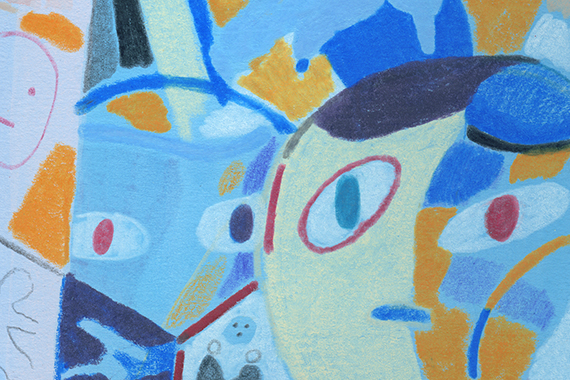
We were celebrating my birthday, the thirtieth since Chernobyl.
Lutke iz Černobila
Slavili smo moj rođendan, trideset godina nakon Černobila. Rodila sam se 26. travnja 1986. Rodila sam se u Jugoslaviji koja se raspala samo pet godina nakon što su se raspale i ostale socijalističke zemlje na istoku Europe. O tome svemu smo kasnije učili kao o padu nedemokratskih režima. Taj dan je bila srijeda i nismo pripremali nikakvo posebno slavlje. Matej, Silvija i ja provodili smo običnu, tek nešto malo posebniju rođendansku srijedu. Od Silvije sam rano ujutro prije odlaska u vrtić dobila crtež koji mi je nacrtala za rođendan. Bila je to neka dječja apstrakcija s jarko žutom kuglom i obrisima linija koje su mogle biti more, kopno, granice svemira. Dan se u međuvremenu odvrtio, a mi smo bili raspršeni u svojim svjetovima i sada na samom njegovom rubu, opet smo svi bili zajedno. Mutila sam smjesu za palačinke dok se Silvija igrala igračkama na Ikeinu tepihu naše dnevne sobe. Upala je u visoku dlaku plave boje tepiha i prebirala po rukama stvari koje su netom prije eksplodirale iz kutije za igračke. Matej i ja smo bili poprilično opušteni roditelji. Nije bilo krutih pravila kada se mora u krevet, kada se smije gledati televizija, kada se smiju jesti bomboni, kada se trebaju pospremiti igračke. To nam je išlo spontano i išlo nam je poprilično dobro uz uobičajenu prtljagu umora i povremene trzavice koje se brzo zaborave. Samo sam ih promatrala te večeri. Matej je vrtio programe kabelske televizije. Probijao se dugim nizom dok nije dospio do National Geographica na kojem se upravo pokazivao dokumentarac o Černobilu. Ti dokumentarci uvijek su mi djelovali više kao hororci. Apokaliptični prizori stvari koje nastavljaju svoj sablasni život nakon ljudi. U ovom se pak radilo o radioaktivnim vukovima koji su se namnožili otkako tamo nema ljudi. Pogledavala sam ih krajičkom oka dok sam mutila smjesu za palačinke. Silvija je bila zadubljena u mali drveni namještaj u kojem je odnedavno stanovala njezina lutkica Lizi. Vukovi su divlje tumarali ukrajinskim i bjeloruskim prostranstvima bez ljudi dok sam ja dolijevala smjesu u tavu s užarenim uljem. U zahrđalom lunaparku nije bilo djece, autići na struju su trunuli, veliki vrtuljak je izgledao kao da će se svaki čas urušiti, oko svega toga su bauljali vukovi, nekako tromo i bezvoljno. Na tren sam pogledom zastala na liku svoje djevojčice, obasjane plavičastim svjetlom televizora. Kako je samo prekrasna ovako mala, valovite plave kose i bijela tena s velikim plavim očima kao porculanska lutka…
Lutke iz Černobila
Slavili smo moj rođendan, trideset godina nakon Černobila. Rodila sam se 26. travnja 1986. Rodila sam se u Jugoslaviji koja se raspala samo pet godina nakon što su se raspale i ostale socijalističke zemlje na istoku Europe. O tome svemu smo kasnije učili kao o padu nedemokratskih režima. Taj dan je bila srijeda i nismo pripremali nikakvo posebno slavlje. Matej, Silvija i ja provodili smo običnu, tek nešto malo posebniju rođendansku srijedu. Od Silvije sam rano ujutro prije odlaska u vrtić dobila crtež koji mi je nacrtala za rođendan. Bila je to neka dječja apstrakcija s jarko žutom kuglom i obrisima linija koje su mogle biti more, kopno, granice svemira. Dan se u međuvremenu odvrtio, a mi smo bili raspršeni u svojim svjetovima i sada na samom njegovom rubu, opet smo svi bili zajedno. Mutila sam smjesu za palačinke dok se Silvija igrala igračkama na Ikeinu tepihu naše dnevne sobe. Upala je u visoku dlaku plave boje tepiha i prebirala po rukama stvari koje su netom prije eksplodirale iz kutije za igračke. Matej i ja smo bili poprilično opušteni roditelji. Nije bilo krutih pravila kada se mora u krevet, kada se smije gledati televizija, kada se smiju jesti bomboni, kada se trebaju pospremiti igračke. To nam je išlo spontano i išlo nam je poprilično dobro uz uobičajenu prtljagu umora i povremene trzavice koje se brzo zaborave. Samo sam ih promatrala te večeri. Matej je vrtio programe kabelske televizije. Probijao se dugim nizom dok nije dospio do National Geographica na kojem se upravo pokazivao dokumentarac o Černobilu. Ti dokumentarci uvijek su mi djelovali više kao hororci. Apokaliptični prizori stvari koje nastavljaju svoj sablasni život nakon ljudi. U ovom se pak radilo o radioaktivnim vukovima koji su se namnožili otkako tamo nema ljudi. Pogledavala sam ih krajičkom oka dok sam mutila smjesu za palačinke. Silvija je bila zadubljena u mali drveni namještaj u kojem je odnedavno stanovala njezina lutkica Lizi. Vukovi su divlje tumarali ukrajinskim i bjeloruskim prostranstvima bez ljudi dok sam ja dolijevala smjesu u tavu s užarenim uljem. U zahrđalom lunaparku nije bilo djece, autići na struju su trunuli, veliki vrtuljak je izgledao kao da će se svaki čas urušiti, oko svega toga su bauljali vukovi, nekako tromo i bezvoljno. Na tren sam pogledom zastala na liku svoje djevojčice, obasjane plavičastim svjetlom televizora. Kako je samo prekrasna ovako mala, valovite plave kose i bijela tena s velikim plavim očima kao porculanska lutka…
Dolls from Chernobyl
We were celebrating my birthday, the thirtieth since Chernobyl. I was born on March 26, 1986, in Yugoslavia—a country that collapsed shortly after the other socialist states in Eastern Europe. We eventually learned about all this in school as a lesson on the fall of non-democratic regimes. My birthday fell on a Wednesday, and we didn’t plan on celebrating it in any special way. Matej, Silvija, and I were having an ordinary, maybe slightly more special and festive Wednesday than usual. Earlier that morning, before taking her to kindergarten, I received a drawing from Silvija that she had made for my birthday. It was a child’s abstract piece with a bright yellow sphere and lines that could represent land, or the sea, or the borders of the universe. The day had unspooled since then, with each of us scattered in our own worlds, but now, at its very edge, we found ourselves together again. I was mixing the batter for the crêpes while Silvija played with her toys on the Ikea rug in our living room. She fell into the tall shag of the blue rug and picked through the things that had just exploded from the toy chest. Matej and I were pretty relaxed parents. There weren’t any strict rules about going to bed, watching television, eating candy, or cleaning up toys at a set time. Our approach was spontaneous, and it worked relatively well for us, with the usual baggage of tiredness and an occasional squabble that was soon forgotten.
I was content to observe them that evening. Matej was flipping through the cable programs. He trudged through a long string of channels before landing on National Geographic, which was just then showing a documentary on Chernobyl. These documentaries always seemed more like horror movies to me. Apocalyptic scenes full of things persisting in their spectral existence after humans left them. This one was about the radioactive wolves that have been multiplying ever since people evacuated the area. I glanced at them out of the corner of my eye while I stirred the crêpe batter. Silvija was deeply immersed in the small wooden furniture recently turned into decor for her doll Lizi’s home. The wolves prowled the Ukrainian and Belorussian vistas devoid of human life while I poured the batter into a sizzling pan. There weren’t any children in the rusted amusement park; the bumper cars were rusting away; the big carousel looked as if it would collapse at any moment; the wolves roamed around it all, somewhat sedately and listlessly. For a quick moment, my gaze alighted on the figure of my little girl, illuminated by the blue glow of the television. How beautiful and how little she was, with her wavy blond hair and light complexion, with her big blue eyes like a porcelain doll. And in that split second, I saw her turn toward the television, her eyes sparking up in a strange way, as if a new constellation had just formed inside them. I turned my attention back to the oil, which had started to burn, and remembered, belatedly, to turn on the kitchen hood. From the noise of the vent, I couldn’t be sure whether I had heard right. At first very quietly and then louder and louder, my little girl started saying that she wanted dolls, the dolls that she had just seen on television. Matej chuckled and called me over from the couch to hear Silvija’s latest outburst. Out of the corner of her eye, she had caught a clip of a children’s hospital, or something along those lines, and on the small, rusted beds she saw greenish, rotted Chernobyl dolls. She was saying that she wanted exactly those dolls. We laughed. She said that it wasn’t funny. And we kept laughing regardless, especially Matej. And then, I saw it clearly, she ran up to Matej and forcefully whacked him in the middle of his lip with a small wooden lamp from Lizi’s miniature living room set. Matej yelped and Silvija started screaming. I stopped making the crêpes, turned off the burner, and rushed to defuse the situation. Matej turned off the television, unaware that a thin streak of blood was starting to trickle down from his split lip. I begged Silvija to say sorry to her dad, but this only aggravated her even more. In a fit of tears, she kept shouting that she wanted to keep watching television, she wanted Dad to bleed, and she wouldn’t say sorry. As if the evening had been exposed to some deadly radiation and could no longer revert to its original state.
The crêpes were left half-cooked. Maybe someone had been making crêpes by Chernobyl in just the same way when they were suddenly forced to abandon their batter in a flight to save their life. I took Silvija into my arms and tried to soothe her unstoppable crying. I told her that she had much nicer dolls than the ones she’d seen on television. And that those she had seen were toxic and would cause your skin to break out in a rash and make your hair fall out. She yelled that she wanted exactly those dolls, that she wanted to get a rash, she wanted her hair to fall out. Her sobs were interrupted by her belabored breathing. I think she’s exhausted, I told Matej. It’s best if we all go to sleep. It’s almost eleven. Apparently, she’d had trouble falling asleep at kindergarten earlier that day, which was often the case during the full Moon, like the one that evening. She strongly resisted the idea of going to bed, flailing her arms and legs in a crying fit. I held her for a long time and chanted tranquilizing mantras like a New Age guru. Nothing was helping. She took my glasses off my face and proceeded to pull them apart. Then I too lost my nerves and loudly threatened that she would never watch TV again. She slightly gave way in the face of my threat, and I took the opportunity to change her—quickly and with much fuss—into her pajamas. She wanted me to show her the night and the Moon, which had illuminated the buildings in the neighborhood like a spotlight. She snuggled in the meantime next to her stuffed leopard. A birthday like any other, I thought to myself. I won’t give it much consideration, just wait for the day to end and Silvija to fall asleep. She looked at the Moon, and we stayed on the balcony until it grew cold. Hidden behind the clouds, the Moon was emitting a mysterious light. I listened in the quiet night as her crying turned into sporadic shivers. She squeezed her leopard tightly. I took her into her room; she looked like she was about to fall asleep. She asked me to tell her a story. I started off with the usual repertoire of picture books on the shelf above the headboard. The Jungle Book, Professor Balthazar, and a new one from Ikea. Then came the stories she made up according to her whim. Though tired from crying, she was still insistent and wanted me to tell her a story about a little girl who wanted something. Specifically, things. A bunch of things from the store. The little girl wanted to buy everything, Silvija’s instructions dictated.
I set the story in an enormous toy store and started narrating. The little girl cheerfully walked between the shelves with toys, wondering what she would buy. She only had enough money for one toy and a present for her grandmother, so she had to spend her allowance wisely. What could she buy? What could she buy? Maybe neon playdough or fuzzy furballs, a musical instrument, a baby doll, or a chocolate bar? She wanted to buy everything, Silvija jumped in. But she couldn’t buy everything, I responded. She didn’t have enough money, and she also knew children who didn’t have toys, so she wanted to cheer them up—I was persistent in teaching her a nightly lesson even as it riled her up more. She wanted to buy everything, everything for herself, she said, scratching her pillow like a beast. Matej crawled into the bed and sighed, while I lost all desire to keep telling the story. I wanted to cut it short, so I opportunely said that in the end the little girl bought everything for herself after all. When she’d bought everything, she was so tired from all the wandering around the big store that she went home and fell asleep right away. This “asleep” I enunciated unbearably slowly to the rhythm of her rolling eyes, which periodically turned ghostly white. But then, all of a sudden, her eyes became unusually wide and lively, and she asked what had happened next. Nothing, I said. But something must have happened, she persisted. No, nothing happened, I insisted, the little girl just fell asleep. No, she didn’t fall asleep, something horrible happened, she said with irritation, beginning to wriggle angrily in my arms, while I only wanted for all of this—the evening, my birthday, the anniversary of the Chernobyl disaster—to end already. Something horrible happened, she switched to her nervous, weepy voice. Yes, something horrible happened, the little girl lost one of the dolls from her bag, I relented. No, even more horrible, she insisted. She cracked her head open, the shelves with toys collapsed on top of her, and finally she was suffocated to death by stuffed animals, and her body was soon crawling with worms. I couldn’t believe myself and the terrifying words that were coming out of my mouth. And why did she die, she managed to say with the last of her strength. Because she was dead, I said in a voice that frightened her in its terrifying deformity.
I turned off the light. By some miracle, she stopped responding. I snuck out of the bedroom and went to the living room. Luckily there was that one other room where one could get away. There should always be that other room. The kitchen had been left a mess. Matej had forgotten to clean up, which momentarily filled me with rage, but I was too tired for it to spill over into an argument. I lay in the dim light of the living room in our two-bedroom apartment, which we’d be paying off for the next thirty years, exactly the amount of time that had passed since Chernobyl. The full Moon floated by and illuminated the toys scattered on the floor. I remember how Silvija would comment on the realistic pictures of the Moon from The Little Children’s Encyclopedia, saying how very ugly and gray it was over there and how there were no flowers. Then she’d fervently kiss the pictures of planet Earth that unfolded on the next page. I felt myself shutting down and sinking into sleep, my thoughts on the colorful pages from the children’s encyclopedia. We hadn’t looked at them that evening, but my mind was paging through them from the sheer force of habit.
I fell asleep on the couch. I don’t know how long I had been sleeping when Silvija’s screams from the other room shook me from my slumber. She glowed in her white pajamas as if she had been exposed to radiation and stood on the ledge of her bed’s guard rail. I had no idea she could already climb so high. I caught her at the last minute to prevent her from falling. She fought me, scratched me, and pulled at my hair. Matej also woke up and both of us came down on her with calming voices like firefighters trying to put out a fire. The clock was showing 2 a.m. Our usual wakeup time was in four hours. When she finally calmed down, I tucked her back into bed. She didn’t say a word. As if she had been dreaming during this whole episode. I, on the other hand, couldn’t get even a wink of sleep after that. I looked at her in the clear light of the Moon. Illuminated from behind, her eyes looked hollowed out. From the mucus she’d accumulated crying, her breathing sounded like the grunting of some dangerous animal. For a moment it looked as if her leopard was growling, moving up and down on her belly to the rhythm of this terrifying sound. I stayed fixated on this sound and couldn’t think of anything else. That’s how I greeted the moment when the night bled into day.
From dark blue, the horizon bruised into a light purple. In the parking lot, the first car engines of the day started as early risers set off to work. I got up and, like a broken wind-up toy, staggered my way to the kitchen. I made coffee and decided to finish the crêpes in the hope that this day would turn out differently. Around six o’clock I snuck up to her bed and, not without panic, started to rouse her from sleep. I was afraid that my child might no longer inhabit her body, and so I started to carefully caress her, as if trying to deactivate a mine. She wriggled comfortably and told me to cover her up. She then proceeded to hug her leopard. Relieved, I took in this adorable scene with a porcelain-skinned little girl in her pink blanket and decided to let her sleep in. Matej got up and we drank coffee together like two zombies. The wound on his lip wasn’t even that big. In the light of day, everything seemed different, less dramatic somehow. Soon we heard Silvija asking us to get her out of the bed, she seemed to be in a good mood, and we were happy to hear the voice of our little girl. The day started off well and continued to unfold. The Sun climbed higher and higher, and when I went to pick her up from kindergarten, the burnt yellow of the late afternoon had already spilled across the sky. She embraced me tightly like she always did. That afternoon she kissed my hand and said affectionately, Thank you, Mom. She embraced Matej around the neck and told him that he was her favorite and how good and nice he was and how she was going to give a bunch of her toys to less fortunate children. We were glad to have our headstrong but still endearing little girl back.
Once more, the Earth revolved around its axis. We now found ourselves on its dark side. Above our heads, the Moon started to rise. We could see it very clearly, appearing mysteriously like a great unreachable orange above the skyscrapers in the east. Silvija watched it as if hypnotized. On the glowing television set, commercials flickered between scenes of refugees from the Middle East, political talk shows, sitcoms, cartoons, weather forecasts, and shiny television studios with as-yet undiscovered talents. I sensed that inside Silvija entire worlds were starting to come into being like some distant galaxies. Her eyes sparked like the night before, and she suddenly recalled those terrifying dolls. She was again asking for the disintegrated dolls from Chernobyl. We tried to explain it to her. We were patient as saints with her monstrous demand. But she wasn’t giving up. Dolls! Dolls! Dolls! And I just kept switching tactics, from threatening her to calming her down, even resorting out of sheer desperation to the story about the evil children whose parents leave them in baskets on the front stoops of strangers’ houses. About parents who died because their children were evil. About children who get the tips of their fingers pierced by evil people because they don’t listen to their mothers and fathers. Terrifying vileness was spewing out of my mouth. Somewhere a Waldorf school was burning because of my thoughts, Maria Montessori was turning in her grave. I didn’t know what to do, how to stop her. Nothing could pacify her. Up to this point I had always been afraid of what would one day happen to her. And this fear ran deeper than anything. Now I asked myself what would happen to us. What would become of us, would we survive as parents, as husband and wife, or would we simply disappear, melt like a candle in front of our own child at this very spot in our mortgaged living room. Maybe all of this was happening because we’d been too permissive, maybe everything was coming back to haunt us: all those times she’d stayed up late, the non-functional and non-educational toys we’d given into, the Kiki fruit chews, the Haribo gummy bears, the juice boxes packed with sugar and artificial colors, the large chocolate bars with puffed rice and the small milk ones, the Kinder Eggs, the mound of candy chock-full of emulsifiers and additives, flavor enhancers and glutens, Baby TV Boomerang, Cartoon Network, the repeated rides on the carousel, the tokens for the trampoline, the money spent on neon playdough, baby synthesizers, children’s tablets, and the millions of tiny figurines that had flooded our apartment and were now threatening to drown us all together in this chaos. But it was too late now. We were growing weaker. We were two powerless insects faced with the sheer force of her will. I was pacifying her like a tamer would a rabid animal, hiding my fear from her erratic behavior. I didn’t know whether she would scratch me or knock the glasses off my nose. The violence lasted for days. She didn’t want to eat, refused to drink water, even started to wet her bed in protest because of these terrifying dolls, which she wanted to possess at all cost. Beaten down in the end, Matej and I signed the instrument of surrender. We had to get a good night’s sleep to work in the morning and pay the mortgage, the bills, put the food on the table. We promised her that she’d get the dolls from Chernobyl. Were we out of our minds? I don’t think so. We were just exhausted. We were ashamed to admit to anyone what we were planning to pull off.
Matej was tasked with assembling the dolls. At the flea market, he bought a bag filled with different kinds of dolls. First, he stripped them naked. Then he started to hack them into pieces. He took out their eyes, pulled off their hands, smeared them with shoe polish and engine oil, and sprinkled them with flour and ground coffee. When they were terrifying enough to resemble the dolls from Chernobyl he presented them to our little girl. She shrieked with joy. We observed her while she played with them, fearful of what we might see next. Would she herself start uncontrollably sprouting additional limbs or fangs, would her hair fall out, would she charge toward us with some kind of cold weapon in her hands… But Silvija just played with these terrifying dolls as if they were the most ordinary toys. She gave them milk out of the bottle, tucked them in, wheeled them around the apartment in her stroller, and, playing doctor, listened to their heartbeat and checked their temperature. They’re very feverish, they have to take medicine, she said in the thin voice of a four-year-old. We exchanged desperate looks of relief. At least that. At least nothing more frightening had happened. We were so afraid of what our little girl might do with the dolls that this fear had become more frightening than the thing itself. Maybe we could’ve made those dolls right away and spared ourselves the sleepless nights, Matej blurted out as some kind of postapocalyptic joke. Silvija was immersed in her game. That evening our old Silva was back. She stayed too long in the bathtub, performed all kinds of tricks with the suds in her hair, and hugged us excessively before going to sleep. The Chernobyl dolls slept covered with a blanket right next to her little bed. She sank into sleep and slept through the night without waking up in ghastly screams. The following morning, she passed by her terrifying dolls as if by an old, abandoned cemetery whose dead have long been forgotten. She picked up her old Lizi and took her back to her cozy apartment with the small wooden furniture and the little lamp with traces of Matej’s blood. I asked her, still slightly afraid of her answer, what about the dolls from Chernobyl. With her thin child’s voice, she answered that she didn’t like those dolls anymore and that now she wanted some new ones.
“Lutke iz Černobila” from Poštovani kukci I druge jezive priče. Zagreb: Profil Knjiga, 2019.
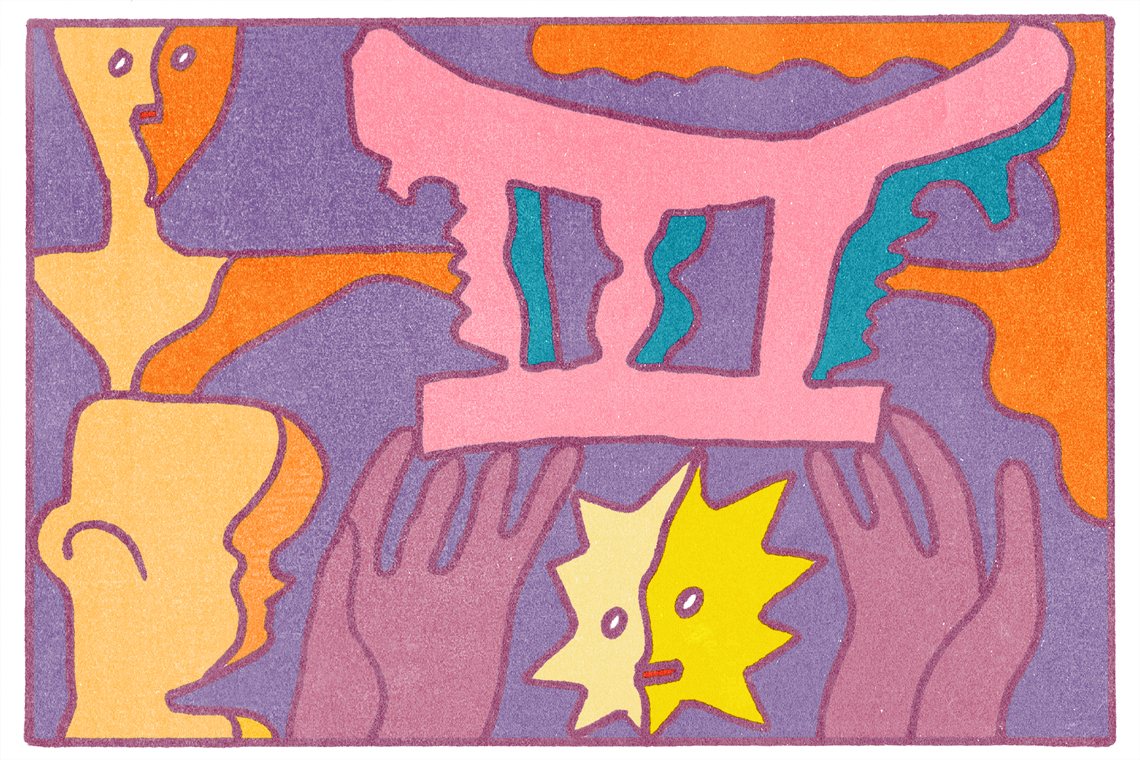
Image by Thomas Colligan.
Maša Kolanović is a multi-genre writer. Her works include the poetry collection Pijavice za usamljene (Leeches for the lonely) (2001), the novel Sloboština Barbie (Underground Barbie) (2008), the prose poem Jamerika (2013), and the short story collection Poštovani kukci i druge jezive priče (Dear pests and other chilling stories) (2019). The latter received the 2020 EU Prize for Literature, the Pula Book Fair Audience Award, and the Vladimir Nazor Prize for Literature. She is an associate professor in the Department of Croatian Studies at the University of Zagreb.
Vladislav Beronja is a translator from Bosnian, Croatian, Serbian, and Montenegrin, and an assistant professor in the Department of Slavic and Eurasian Studies at the University of Texas at Austin. His translations have appeared in harlequin creature, Brooklyn Rail’s InTranslation, and The Journal of Croatian Studies. He has co-translated (with Ena Selimović) Maša Kolanović’s Dear Pests and Other Chilling Stories (2019) and is completing a translation of Dino Pešut’s Daddy’s Boy (2020).