In the Land of Ancestors | On the Other Side of Resistance
I composed the word corpse, arriving
at your smile. (It makes no difference—
from me to you, or from you to me.)
در سرزمین نیاکانی
جسد را از میان کلمات قلم زدم
به لبخند تو رسیدم
(…فرقی نمی کند – از من به تو، یا از تو به من)
در سرزمین نیاکانی
جسد را از میان کلمات قلم زدم
به لبخند تو رسیدم
(…فرقی نمی کند – از من به تو، یا از تو به من)
به خاطراتم خوش آمدی
.قلمروی سیاه که در آن سپیده دم همنامِ توست
از هوای گذشته، جسد را بیرون کشیدن
به لبخند آن پشت و پسله ها رسیدن
هماهنگ با هواکش ها و ساعت ها اندیشیدن
با ریزشی بلورین، پایین آبشار، به دریاچه غلتیدن
شناگرانه عبور تابستان را دیدن
از جانمازها و صندوقچه های قدیمی
درخشش عطرها را چشیدن
بی عینک نوشتن
درگیر رودخانه ای که دمی پیش رفت
…مسئول واژه ای که هم اکنون گذشت، نبودن
!رفیق
متاسفم که صید خاصی نگرفته ام
بگذار با هم بگذرانیم (من با تو، تو با من، فرقی نمی کند)
شاید ادامه دادیم رویای مشترک را
حتی اگر ستاره ی ما با هم نمی خواند
در سرزمین نیاکانی
.جنون باستانی ترست از نجوم
آن سوی استقامت
آن سوی استقامت دیواری ست
.در کشوری به خواب نگنجیده
شهری که در چراغ اقامت دارد
شهری که با ذخیره ی آینده می پزد
.شهری که انتظار قیامت دارد
بی فایده ست بودنِ هر صبح
در ایستگاه و خطوط پیادگان
بی فایده ست بیداری
با خطبه ی مزور گوینده
اعلام انتظار و هوا
…و کار در مدینه ی آینده
وقتی که شب برای تو و خواب
چادری ست
.بر سر کشیده اید، ز تشویش خواب دزد
وقتی همیشه های خدا
کفش های تو
در خواب گمشده ست
…و باید از میان بیابان سفر کنی
بی فایده ست تنبلی قهوه خانهها
و دیدن نگاهی مغروق
در عمق استکان؛
یا پرسه وار
در امتداد دیوار
در ساعت اذان، که تمام وطن در آن
احضار می شود
.در استماع نطقِ وزیران
جز کرم ریشه، جز علف هرزه
یاراییِ نموّ دگر را
.از دست می دهد
آن سوی استقامت
…دیواری از تخیل، بینایی
ناخوانده روی حافظه ی رف
افسانه کتابی
که عشق بی دفاع در آن دفن است
در خانه جوانیِ ممنوع
.شهری که انتظار قیامت دارد
In the Land of Ancestors
I composed the word corpse, arriving
at your smile. (It makes no difference—
from me to you, or from you to me.)
Welcome to my diaries, a black territory,
where the dawn is your namesake.
Pulling out the dead body from the bygone
air; reaching the concealed and cornered smile;
thinking in harmony with air conditioners
and clocks; rolling into the lake, under the cascade
with a crystalline landslide; watching the summer
passing us by while swimming; tasting the fragrances
from the prayer’s rug and old caskets; writing without
wearing glasses; absorbed in a river that ran
for a fleeting moment; not feeling responsible
for the word that slipped out of mind just now.
Pal!
I’m sorry for returning from my hunt with an empty bag.
Let us get along (me with you, or you with me, either way).
Maybe we would continue this shared dream,
even if our constellations were not aligned.
Lunacy predates astronomy in the land of ancestors.
On the Other Side of Resistance
On the other side of resistance is a wall
in a sleepless country—a city residing in lights;
a city cooking with the future’s life savings;
a city awaiting the doomsday.
It is no use standing in stations or on pedestrian lines
every morning. It is no use waking up
to the untruthful preaching of a news anchor
announcing the waiting and the weather,
and working in the city of future when the night—
for you and the sleep—is a chador you have worn
against the terror of sleep thieves—when your shoes
are always missing in the dream and
you have to travel through the desert…
It is no use lingering in the languor of coffeehouses,
seeing a drowning look in the depth of
a tea glass or listening—passively,
alongside the wall—to the sermons
of ministers—at the hour of adhan
when the whole country is summoned;
at noon when the garden, except for
wireworms and weeds, is bereft of growth.
On the other side of resistance
is a wall of imagination, of seeing…
Unread, on the memory of the niche
on the wall: a myth of a book in which
a defenseless love is buried, in the house
of forbidden youth, in a city
awaiting the doomsday.
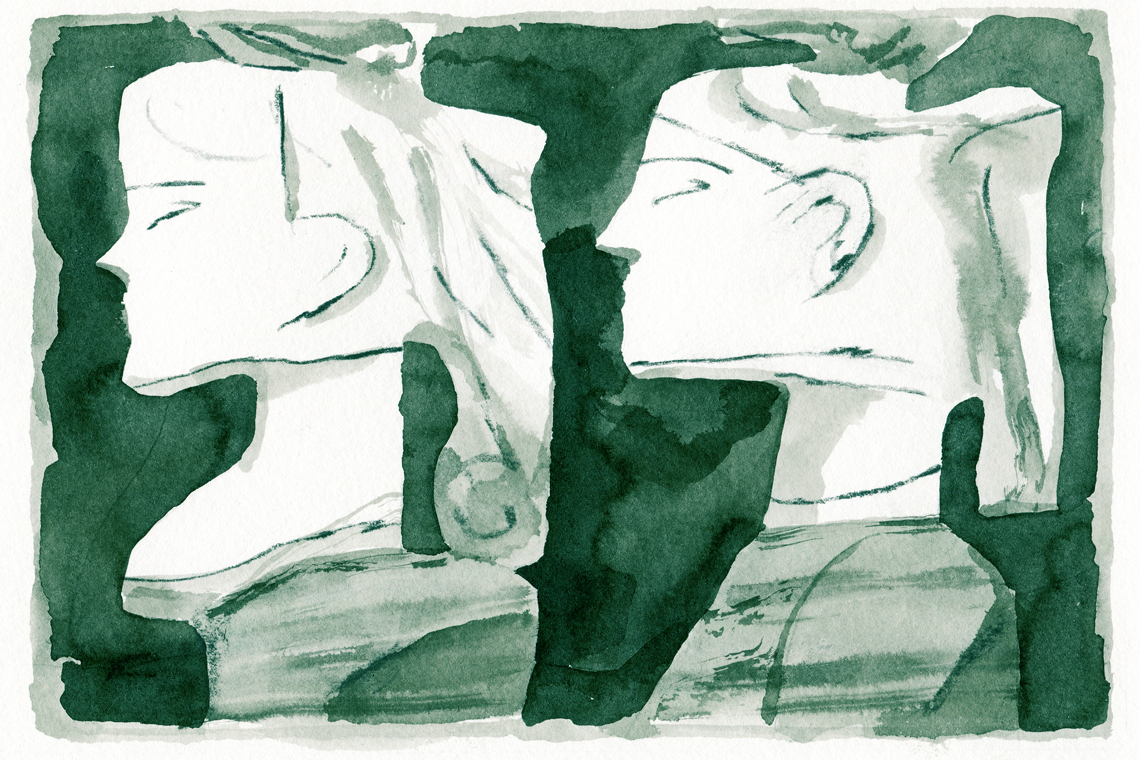
Image by Yusuke Nagaoka.
Mohammad-Ali Sepanlou, an Iranian poet and literary critic, was born in 1940. Nicknamed the Poet of Tehran for his evocative poems on Iran’s capital, Sepanlou published more than sixty volumes of poetry and essays. He was also a founding member of the Writers’ Association of Iran. Among other prestigious accolades for his scholarly and literary achievements, Sepanlou was the recipient of Légion d’honneur and Le prix Max-Jacob. He died in May 2015, aged 74.
Siavash Saadlou is a writer and literary translator whose short stories and essays have appeared in The Margins, Plenitude Magazine, and Minor Literature[s]. His poetry has recently been anthologized in Essential Voices: Poetry of Iran and Its Diaspora (Green Linden Press). In addition, his translations of contemporary Persian fiction and poetry can be found in Scoundrel Time, Los Angeles Review, and Denver Quarterly, among other journals. Saadlou holds an MFA in creative writing from Saint Mary’s College of California.