No One Ever Gets Used to It
She thinks she’s losing her. Bit by bit, she’s losing her mother.
Nadie nunca se acostumbra
Jani quiere pensar que la perra va a estar bien. Que si su padre lo dice, la Daisy va a estar bien. ¿Qué le va a pasar en unos días?, ha dicho el padre. La vecina le va a dar comida, la va a llevar a la plaza. Dile chao y ayúdame con las maletas. Y Jani se despide de la perra, dame la patita, y sube con su padre a la citroneta. Por primera vez viajan juntos, solos. Es una madrugada de diciembre de 1975. Una telaraña azul, el cielo, cuando el padre y la hija enfilan por la Panamericana Norte hacia Los Andes y luego los Caracoles y el Cristo Redentor y San Luis y la pampa demasiado quieta y alguna bandada de pájaros de repente y bien al final Campana, el pueblo donde vivieron sus padres hasta que se trasladaron a Chile; ese lugar con olor a caucho donde hoy sigue viviendo la hermana menor de su madre, la tía Bettina. Y no sólo viviendo, sino trayendo al mundo a una criatura que es la primera y única prima de Jani, qué acontecimiento. Por eso viajan en diciembre el padre y la hija, apurados, una semana como mucho. Y también porque a la vuelta Jani se irá con Milena, su madre, al sur. Solas al sur. Ah, pero su padre le ha pedido que por favor, hija, no la mencione en Campana.
Nadie nunca se acostumbra
Jani quiere pensar que la perra va a estar bien. Que si su padre lo dice, la Daisy va a estar bien. ¿Qué le va a pasar en unos días?, ha dicho el padre. La vecina le va a dar comida, la va a llevar a la plaza. Dile chao y ayúdame con las maletas. Y Jani se despide de la perra, dame la patita, y sube con su padre a la citroneta. Por primera vez viajan juntos, solos. Es una madrugada de diciembre de 1975. Una telaraña azul, el cielo, cuando el padre y la hija enfilan por la Panamericana Norte hacia Los Andes y luego los Caracoles y el Cristo Redentor y San Luis y la pampa demasiado quieta y alguna bandada de pájaros de repente y bien al final Campana, el pueblo donde vivieron sus padres hasta que se trasladaron a Chile; ese lugar con olor a caucho donde hoy sigue viviendo la hermana menor de su madre, la tía Bettina. Y no sólo viviendo, sino trayendo al mundo a una criatura que es la primera y única prima de Jani, qué acontecimiento. Por eso viajan en diciembre el padre y la hija, apurados, una semana como mucho. Y también porque a la vuelta Jani se irá con Milena, su madre, al sur. Solas al sur. Ah, pero su padre le ha pedido que por favor, hija, no la mencione en Campana.
Y Jani no menciona a su madre, pero la recuerda.
Recuerda, por ejemplo, lo último que le escuchó decir: ya pues, tesorito. Eso fue hace tres semanas, si no se equivoca, cuando fueron a la heladería del centro. Jani se había hecho trencitas en el pelo; veintiocho trencitas amarradas en las puntas con hilos de pita porque a su mamá le gustaba tanto el peinado. Recuerda también que antes de pagar los helados su madre se acercó a un barbudo de la fila. Y aunque él no la reconoció, ella insistió en saludarlo. El hombre fue un poco grosero. Que cómo venía con ella, le gruñó, que si se llegaba a enterar Guillermo. ¿Cómo cresta vienes con la niña?, siguió alharaqueando. Estás loca, Milena. Pero su mamá no estaba loca, no que ella supiera. Por lo demás, el padre no tenía cómo enterarse. El loco eres tú, atinó a responder Milena muy tranquila mientras volvía a su puesto con Jani en la fila. Después tomó a la niña del brazo y se fueron para siempre de la heladería. Al rato ya estaban despidiéndose. Jani recuerda muy bien el filo puntiagudo de la nariz de su madre en la puerta de la casa que desde hace unas semanas había dejado de ser su casa y ahora era sólo la casa de su padre. ¿Cuándo te quedas a dormir?, preguntó la niña. Ya pues, tesorito.…
No One Ever Gets Used to It
Jani wants to believe that her dog is going to be all right. That if the father says so, Daisy’s going to be all right. What could happen to her in a few days? the father asks. Their neighbor is going to feed her, she’s going to take her out to the park. Say goodbye to her and help me with the suitcases. And Jani says goodbye to the dog, give me your paw, and gets in the Citroen with her father. They’re going to travel together, alone, for the first time. It’s an early morning in December of 1975. The sky is a blue spiderweb as father and daughter climb the Panamericana Norte toward Los Andes and then Los Caracoles and then Cristo Redentor and then San Luis and then nothing but pampa and finally Campana: the town where her parents lived until moving to Chile; the place—smelling of rubber—where her mother’s younger sister, Aunt Bettina, still lives. And not just lives but has brought into the world a baby who is Jani’s first and only cousin, which is a big deal. That’s why father and daughter are going there now, in December, in a hurry, for a week at most. Because when she returns Jani will go with Milena, her mother, to the south. Together to the south. Ah, but her father has asked Jani, Please, don’t mention her in Campana.
And Jani doesn’t mention her mother, but she remembers her.
She remembers, for example, the last thing she heard her mother say: Come on, honey. That was three weeks ago, if she’s not mistaken, when they went to the ice cream parlor downtown. Jani had braided her hair; twenty-eight little braids tied at the ends with string because her mom liked the hairstyle so much. She also remembers that before paying for the ice cream her mother approached a bearded man in line. And although he ignored her, she insisted on saying hello. The man was kind of rude. How could she bring her, the man grunted, what if Guillermo found out. How the hell could you come here with the girl? He continued making a fuss. You’re crazy, Milena. But her mother wasn’t crazy, not that she could tell. Anyway, the father had no way of finding out. You’re the crazy one, Milena managed to say very calmly, as she returned with Jani to their place in line. Later, she took the girl by the arm and they left the ice cream parlor forever. Jani remembers very well the sharp tip of her mother’s nose in the doorway of the house that a few weeks ago stopped being her house and was now only her father’s house. When are you going to stay overnight? the girl asked. We’ll see, honey.
Too many hours in the white Citroen with cheese-and-salami sandwiches, water from a canteen, and windows that are small but still big enough to see how the clouds grow fat and heavy as the father and Jani leave Chile behind. The father has laid cushions on the floor in the back to make a kind of double bed, and that’s where Jani sits. She imagines that she’s going on her honeymoon. But with whom? She nibbles on cookies, hums along to songs on the radio, and counts dogs. She’s been counting them for six months. Since Milena brought her the puppy and asked how many dogs like that, black-and-white, she’d seen in her life. Jani asked her if she was going to stay overnight, and her mother said, I bet you’ve never seen another dog like this. What should we name her? And they bought a bronze tag and had the name Daisy engraved on it in cursive, with fancy flourishes. That was the exact moment Jani decided she was going to count them. Now she’s got four hundred and forty-two dogs if you also count the German shepherd that belongs to the uniformed men at the border who stop the car with military whistles and demand documents and search and search without finding what they’re looking for. The dog shows its splendid canines, its grand teeth, but the uniformed men have no choice except to let them go. The German shepherd keeps displaying its pink gums, as if it were hired to advertise toothpaste, until it fades into the scenery.
The next day, when they get to Buenos Aires, they stop at a supermarket to buy groceries for the trip they’re going to take with Aunt Bettina and her little cousin to Mar del Plata. Dulce de leche, cookies, rice, coffee, tea, cans of this and that, vegetables, a chicken. When they leave the supermarket, Jani spies three dogs near the entrance and two on the sidewalk in front. Four hundred and fifty-eight. The father asks her to go with him to make a phone call. In the booth he puts a coin in the phone and says, Hi, we’re in Buenos Aires. And he says, Yes, no, yes. Then he hangs up. They get in the car, leave. They take the route inland. Four hundred and fifty-nine, four hundred and sixty, sixty, sixty. There are fewer and fewer dogs. On the road to Campana there are no more animals. Jani thinks that the canine race has been exterminated from this region.
The last time she was in Campana was six years ago, when they came with Milena. Well before the counting of dogs. Bettina had just been widowed, Uncle Agustín had died, and the grief in the house at times seemed more like relief than sadness. In those days everyone was talking about man landing on the moon, Jani vaguely remembers. But she doesn’t recognize these streets anymore. Her father has returned a couple of times since then, by himself. We have to support Aunt Bettina, he would say. Milena, in contrast, swore that her sister had more than enough tools to manage her grief. Manage, her mother used that word frequently. Jani supposes that her father knows this town inside and out. After a long detour through twisting little streets, he parks the Citroen in front of an orange tree. Aunt Bettina observes them from behind a gate, makes gestures anxiously, as if she were a prisoner finally receiving the only family members authorized to visit. The girl looks at the fruit (more green than orange) that has fallen from the tree and burst open on the ground.
Bettina emerges from her confinement.
The father gets out of the Citroen.
Jani has the feeling she has acted out this scene before, but she can’t take in the entire picture because suddenly Aunt Bettina’s look is a dagger that quarters her. Amazing how much the girl has grown, she says. She’s a young lady, now, all grown up. How old is she now? Jani is twelve years old, but she looks fourteen or fifteen. She puts her hair in little braids and undoes them once a week so that her hair appears thicker. She likes to look older. Her hair is loose, and very thick now.
“Twelve.”
“She looks twenty,” she says to her brother-in-law, as if Jani were a good-luck charm that they were looking at wishfully.
“Milena sends her regards,” Jani lies.
The father looks at her with a face that says you’ve betrayed me. Aunt Bettina doesn’t answer. But the girl’s words aren’t a question, so no one has to answer. Bettina slips into her role as hostess and, Make yourself at home, dears, I put two towels in the bathroom, get settled in while I get the mate and pastries ready before the baby wakes up.
The little baby.
Jani goes out for a walk. She thinks she may not be able to keep counting, that that’s all over. Three blocks and not even one miserable dog. She comes back along the other side of the street, but there’s nothing. She enters the house through the back door. Her father and Aunt Bettina are still drinking mate in the dining room. Jani is dying to sleep, but she’s not going to let her guard down. She’s not going to imitate the other one, who’s profoundly asleep. From the hall she hears some sounds that might be throat-clearing. Or sneezes? Jani moves closer. Not throat-clearing, not sneezes, but little intermittent giggles from Aunt Bettina who now says: Bah, Guille, but maybe… And she doesn’t finish her sentence because Jani has entered the dining room and sat down on her father’s knees, and while she pours water over a very bitter mate, she complains about the lack of dogs. There are dogs here, Bettina contradicts her. It’s just that they take a nap like everyone else.
What she means by everyone else is the baby.
She turns out to be an infant like any other infant. A red, wrinkled infant, not much of anything yet. What she does have is hair. Thick, black fuzz, scattered over a chubby helmet. The baby sticks out its tiny gums somewhat ambiguously, it isn’t quite a smile. Hi, little girl, the father says. He’s talking like an idiot, Jani thinks, while she sips her mate vigorously. She doesn’t hear or pretends not to hear the stupid words he’s broadcasting: I’m Guillermito, do you remember me? She doesn’t hear Bettina’s reply either: You’re stupid. Jani only hears the laughter that follows it and the outburst of terrifying wails.
Her aunt’s expression as she calms the baby brings up an image of her mother. Of Milena in Campana calming Jani when she threw a tantrum. Jani was very little and everyone was talking about the man on the moon and space suits, but they also whispered about other things that Jani couldn’t understand, ah, what could she understand about the family quarrel. Bettina suddenly interrupts Jani’s self-absorption to ask her to say hello to the baby. Jani discovers that the nose of the little one (who is no longer crying) is identical, identical, to her mother’s. To Milena’s, who is, after all, the baby’s aunt, why hadn’t her father noticed, too? Then she reaches her hands toward the black-thick-pointy strands of the child’s hair and strokes her miniscule head with the back of her hand, as if brushing dust from her cranium.
They haven’t been in Campana for even four hours and time is frozen. They’ll leave for Mar del Plata in two days, but to Jani that seems an entire lifetime. There’s no TV or telephone, and the radio looks too dusty for her to go and turn on. And worse: she still hasn’t found any dogs. She’ll have to track them down in some empty lot, get someone to help her. Get who? To do what? Until it occurs to her to climb the orange tree that has bitter oranges, terribly bitter ones, why are they called oranges, these pieces of crap are green, Jani—now up in the tree—thinks. Now that no one is looking she lets herself think about her mother, who is far beyond the treetops. She thinks about her mother’s nose and then about the pampa, about the snails, about the winding roads they’ll take on the return home; she counts Argentinechilean dogs, one hundred and eighty, one hundred and seventy-nine, one hundred, forty-eight, the papers, the inspection at customs, the knife-edge of the air, thirty, and again, her mother’s nose. But she can’t speak of her, she can’t.
In her dream that night Milena is a doll whose joints bend noisily. Crack. Knees and elbows, crack. Jani straightens her up and leaves her standing upright, with her feet pointing down and her arms pointing up. She wakes up in the early morning hours; the kid is crying intermittently, loudly. The bawling lasts a few minutes, and then it’s replaced by voices in the hall. Jani gets up and sees them: two figures silhouetted, her father and Aunt Bettina.
She thinks she’s losing her. Bit by bit, she’s losing her mother.
In her dream that morning, her mother is the dog. Her father opens the door to get in the Citroen and Daisy shoots out into the street. The sound of helicopters seems to scrape the sky. Her father whistles for her to come back. Daisy, Daisy, come. But the helicopters drown out the whistles. Her mother’s on the next block already, digging in the dirt in someone else’s garden.
Jani wakes at noon to the sound of the vacuum cleaner. She looks at herself in the mirror, wants to braid her hair, decides not to. Her hair is like a clump of cotton. If her mother could only see. Aunt Bettina is dancing with the vacuum cleaner just outside her door. The tube in her right hand is like the prolongation of a trunk. Jani gestures to her to turn off the machine. Her aunt obeys and stands at attention with the same smile she wore the day before. Her father has gone out to take care of some paperwork. The baby is asleep; she leads a life of idleness. Is there an ice cream parlor around here? Jani asks. Little sweet tooth, eh? her aunt replies, smiling. On Sarmiento Avenue, in the plaza, just in front of… Jani leaves the woman talking to herself with the vacuum cleaner in her hand and approaches the crib to check that that nose, so identical—how could her father have not noticed—to her mother’s nose, is still there.
Six years earlier, the streets of Campana were decorated with Christmas wreathes, just like now, but back then Jani didn’t monitor the streets so closely, she wasn’t counting dogs. Finally: four hundred and sixty-three. She also didn’t think about her mother or about Daisy because Daisy didn’t exist and her mother was there, why would she think about her. But this ice cream parlor is smaller, it has much less breathing room than the one in downtown Santiago. And here there aren’t lines of people or bearded men who pretend not to know you and then insult you. Instead of ice cream, she buys anisette mints. The nerve of calling her a sweet tooth. Worse: little sweet tooth. The street stinks of rubber. The same smell, she just now remembers, that Uncle Agustín had. Jani barely knew him, but she remembers his pus-filled skin, ravaged by acne. Agustín was one of the oldest workers at Campana’s plastic factory. He worked the night shift: he went in at ten and came back at five in the morning. He’d come home with that smell of rubber on him and sleep till noon. Until one night his heart didn’t beat anymore. A peaceful death, Aunt Bettina reported.
Despite all her looking they don’t appear. When she left the house, she saw a mangy puppy curled up at the base of the orange tree. Then two dogs in three blocks, a miserable showing for such diligent searching. She thinks about Daisy lying on the patio, with the ants and the dust, saving her barking for when the neighbor is around to hear. She imagines that during the trip to Mar del Plata her cousin will sharpen her piercing cries in order to boycott the counting of dogs. How could she not have foreseen this? Tonight she’ll talk with her dad for sure. She’ll tell him that she’s not going to any beach, that she’s returning to Chile right now. But just then she sees them. They’re right in their places, on the empty patch of ground behind the house, a few meters from the back fence. From the sidewalk across the street she can observe them clearly. Seven German-shepherd-looking stray dogs with their fur bristling pursue a hen and communicate with each other in their own language. They pant as if they’d just undergone a stress test. Growls and clucks in an out-of-tune chorus. Feathers stick to snouts. And suddenly, silence. All the snouts concentrated on the same task. As if they were guilty of what they hadn’t yet totally consummated and were already celebrating by cleaning their snouts with their tongues. Jani decides not to count them: those ones are beasts, not dogs.
Bettina butchering a chicken, changing the baby, pure determination.
Guillermo engaged in wishful thinking.
Jani weaving her little braids: how can I tell him, how can I tell him.
She’s about to tell him when the father comes over and strokes her head with a gesture that isn’t affectionate and Jani can’t bring herself to ask him to please not open his mouth, that they’re packing and going back to Chile that she’s going to Chile by herself if he doesn’t want to go that she doesn’t like the baby she doesn’t like the aunt please let her go to her mother’s talk with her mother say goodbye to Daisy include her in the packing list for the trip with everything finally clear with her mother. She’s about to tell him but the father opens his mouth and says, We have to talk. There are things you should know, Ja. We’re going to talk when we get to the coast. Jani suspects that the man is plotting something. Every time he lies he calls her Ja. Pistachio ice cream is really good, Ja. These days anyone can walk on the moon, Ja. You’ll get used to it, Ja. But pistachio is disgusting and the moon is a distant ball and no one ever gets used to it.
The last little bits, she thinks.
In that night’s dream the dog barks at the helicopters and in the kitchen a line of ants marches along the edge of a wall. Jani crushes them one by one with her index finger while murmuring “curfew, curfew.” Her finger turns black.
There is an oppressive heat that morning in Campana. And suddenly, as if swept over the land, a warm breeze. The father goes downtown to take care of the last bit of paperwork. He takes the Citroen to get the water, oil, tires checked. Around noon they’ll take off for the coast. Jani climbs the orange tree, ready to squander the remaining hours. And if she stopped counting them once and for all? Four hundred and seventy-seven, she corrects herself, because the last one was a sleeping dog. Do the sleeping ones count? A dog that dreams he’s a man and wakes up howling beneath a tree. A dog like any of those seven that now appear again in a pack and, strutting, go off in search of leftover garbage or who knows what. The stray from the corner and an enormous, bone-colored one and another and another join the ones from yesterday. Jani can’t believe it. She begins counting again with enthusiasm, almost frenzied. Four hundred and seventy-eight, four hundred and seventy-nine, four hundred and eighty. She’s a little bit scared, but nothing will happen to her in the treetop, dogs can’t climb. They may dream that they’re men but that doesn’t mean they can climb. Now they’re all underneath the orange tree, coordinating their behavior in their stray-dog language , looking for another hen, who knows what they’re after, what they dreamed last night. They spread out around the tree ready for the mission and stare at her, bark at her: She must be the prey. Jani thinks about throwing oranges at them, but that might just anger them more. She should yell for someone. Her dad on his errands, Bettina occupied with her own stuff, the baby crying, her mom so far away. Help! she shouts. The dogs show their teeth, so recently sharpened, more beastly by the moment. Maybe they see her as a little man on the moon above the orange tree and that’s why they make such a racket. Help! And she sees Aunt Bettina come running out to scare them away with the broom, Get out, filthy dogs! with her laughable little broomstick. Why didn’t she bring the vacuum cleaner tube? Four hundred and ninety, four hundred and ninety-two. She’s not going to reach five hundred. She can’t do anything from her orbit. The dogs with their snouts full of straw from the broom. The hair on their backs raised, totally carnivorous. This isn’t Bettina, she thinks, it isn’t the baby’s mother, it isn’t her mother’s nose, these aren’t dogs or barking or a mouth that shouts for help, that howls, that can’t shout anymore, Aunt Bettina’s mouth; I’m not up in the orange tree, Dad, I don’t know how those beasts threw themselves on her, I swear it wasn’t my fault, it wasn’t my fault.
While he scares away the pack, with the Citroen’s motor still running, the father begs her to call an ambulance, to run and get someone, the neighbors, to take care of the baby there inside, to please take care of her little sister.
Jani climbs down from the tree, walks three steps, and obeys his instructions very carefully. She does it mechanically, barely breathing. Because the last three words the father said—your little sister—and the dogs licking their chops and the woman bitten all over and finding out like that, Ja, the things you should already know, knock her flat.
At this hour the Citroen looks like a drawing. Parked outside the Campana City Hospital, alone, loaded with cheese sandwiches, breaded chicken cutlets, and fruit that no one is going to eat. With the suitcases, the baskets, the bags, and the blankets that no one is going to use on the floor in the back. And they sit on a bench in the waiting room with the stroller next to them. The baby sleeping, as if nothing has happened. The scent of flowers resting inside a big pitcher makes the air more breathable. Jani imagines that in a couple of days countless buds will blossom, to be inhaled through the noses of a mother and a daughter heading toward a south unknown to both. There will be checkpoints on the highway and dogs with steely teeth that will try to replace the first visions, the most ferocious ones from this morning, but there will be so many words to bring up with Milena that Jani will forget about the dogs, about her aunt, about her little sister, even about her return trip to Chile by herself while the father waits for Bettina in Campana, Jani will forget. She will erase the pampa, San Luis, Cristo Redentor, Caracoles, the Panamericana Norte. She will erase the hospital entrance where right now a black and white dog similar to Daisy rests, a dog Jani no longer counts. She will even erase the sun that now slips lopsidedly through the waiting room’s only window and produces this dryness in her throat.
A bitter desert that ends in her vocal cords.
The daughter looks for the anisette mints that she bought in the ice cream parlor and offers the father the little open bag. Do you want one? Okay, the man replies softly, a thread of a voice, as if in reality he’d said we’re lost. And he looks upward with his hands pressed palm to palm, as if in prayer. Jani thinks that if her father says it, oh, if her father dares to repeat it now. But her father isn’t able to say a single word because right then a nurse with a mustache who reminds Jani vaguely of her mother’s bearded man arrives and asks them to come in. They can bring the baby, he informs them, Guillermina can come in with them. And he stands aside to let them pass and looks at them with a surgeon’s face, expressionless, and he’s about to say something that, in the end, he doesn’t say.
“Nadie nunca se acostumbra,” from Animales domésticos. Santiago de Chile: Random House Mondadori, 2011.
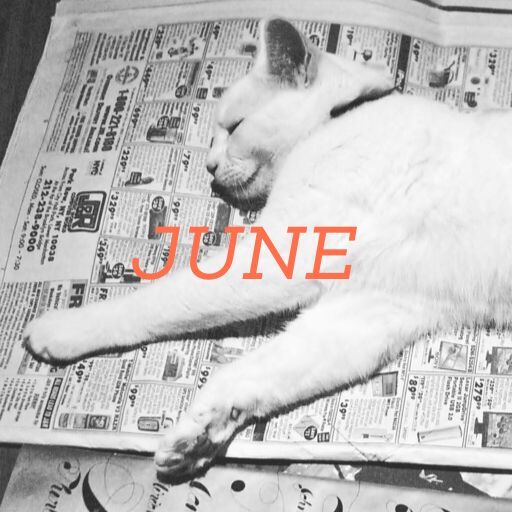
Image by Antonio Carrau.
Alejandra Costamagna (Chile, 1970) is a writer and journalist. Her fiction includes the story collections Animales domésticos and Imposible salir de la Tierra, and the novels En voz baja, Dile que no estoy, and El sistema del tacto (Herralde Prize finalist in 2018). She was a resident of the University of Iowa’s International Writing Program in 2003 and won the Anna Seghers Literary Prize in Germany in 2008. Costamagna holds a PhD in literature. (Photo credit: Gonzalo Donoso)
Joel Streicker’s stories have appeared in a number of journals, including Blood Orange Review, Great Lakes Review, Gravel, and Burningword. He has published poetry in English and Spanish, including the collection El amor en los tiempos de Belisario. His translations of such Latin American writers as Samanta Schweblin, Mariana Enríquez, and Pilar Quintana have appeared in A Public Space, McSweeney’s, and other journals. Streicker’s essays have appeared in The Forward and Shofar, among other publications.