PIO Teaching Fellow Spotlight: Albert Burford
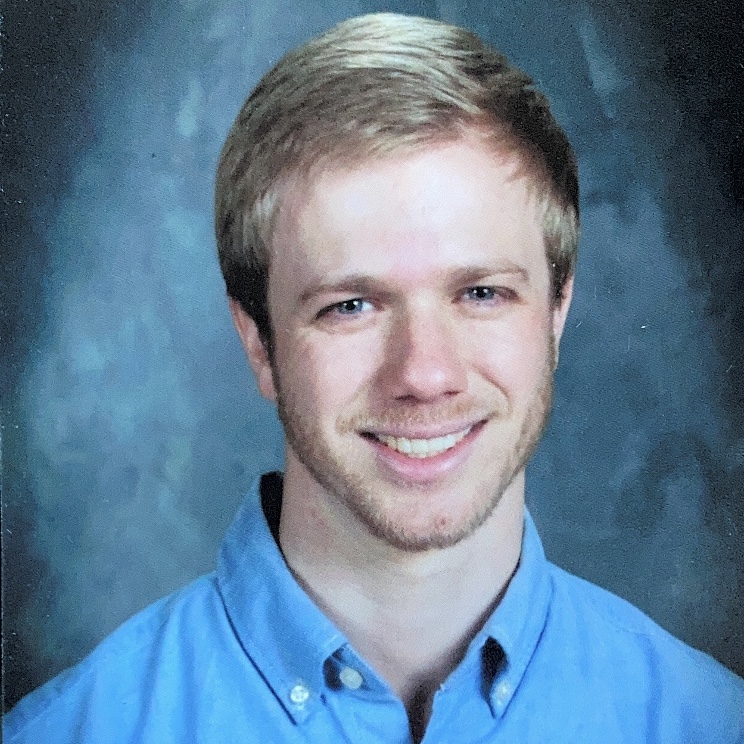
Meet one of the 2022-2023 Poetry Inside Out Teaching Fellows and learn more about his work in curriculum building this year!
This school year marked the launch of the inaugural Poetry Inside Out Teaching Fellowship, a year-long program designed to support teachers as they pursue curricular research, build skills in creative language instruction, and learn how to foster collaborative discussions of poetry in translation in the classroom. Teaching Fellows join a vibrant network of students, teachers, poets, translators, and academics committed to open-ended dialogue about language and literature, working together to develop culturally responsive, integrated curricula based on PIO’s key practices.
Having introduced the fellows as a group earlier this year, we’re excited to spotlight them individually and learn more about their work as the program progresses. Albert Burford is a Sixth Grade Reading, Writing, and Social Studies teacher at Twain Elementary School in Chicago. His priority as a teacher is to help students tap into their natural curiosity, guiding them as they learn about new languages and cultures. He finds that the most exciting kinds of growth and learning happen when students are engaged in collaborative inquiry with their classmates— and that the same is true for himself and the community of teachers he has met through PIO.
What have you gained from the Teaching Fellowship so far?
The Fellowship has helped push me out of my comfort zone as a teacher. Each year I have students read, discuss, analyze, and write their own poetry. But working with Arzu [Mistry] and Todd [Elkin, of the Accordion Book Project(opens in a new tab)]— and with the other fellows— has encouraged me to include visual elements in my teaching. It has also led me to have students reflect more deeply, evaluate their own work, and develop their own criteria for success. It’s not easy to try new methods, but it’s rewarding both for the students and for me.
Tell us more about your research / curriculum-building project. How is it going? Anything you’re particularly excited about?
We are actually working with a visiting teaching poet this Spring alongside our Poetry Inside Out activities. When the teaching poet visits the classroom, students will be writing their own poems. We plan to have students write poems as a first step, then represent their poetry visually in their accordion books. I am excited to see how adding a visual element can unlock a side of my students that I don’t always see. I know from their accordion book work so far that some students feel more comfortable being vulnerable sharing visually rather than in writing.
What do you hope to make of the rest of your time as a fellow?
I’m looking forward to the student ownership and leadership that will take place in the classroom. By the end of our fellowship, students should be in constant conversation with each other, critiquing and responding to each other’s work. The spring is a time of the year when the regular school routine gets tiring, for both students and teachers. Trying out some new poetry translations and new strategies for expressing what we’re learning should help keep everyone entertained and sustained throughout the school year.
How do you see the skills you’ve gained during the fellowship benefitting your classroom / your students in the future?
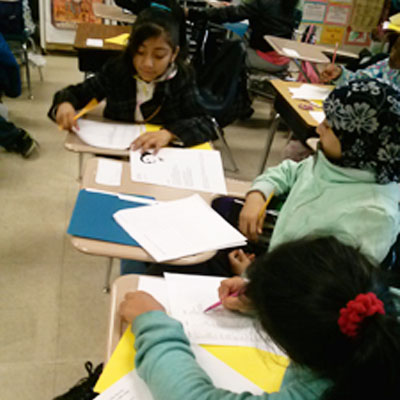
I already see my students looking less to me for direction, and looking more to their table groups and classmates. Students who don’t usually comment or participate in class discussions are more willing to participate when we use the accordion books or translate a poem together. Their level of comfort in evaluating themselves has also improved.
We will begin accepting applications for the 2023-2024 class of PIO Teaching Fellows in early spring! For more information please contact Poetry Inside Out Program Director Mark Hauber: mark@catranslation.org(opens in a new tab)