Poetry in Translation: Recommended Reading by Calico Translators
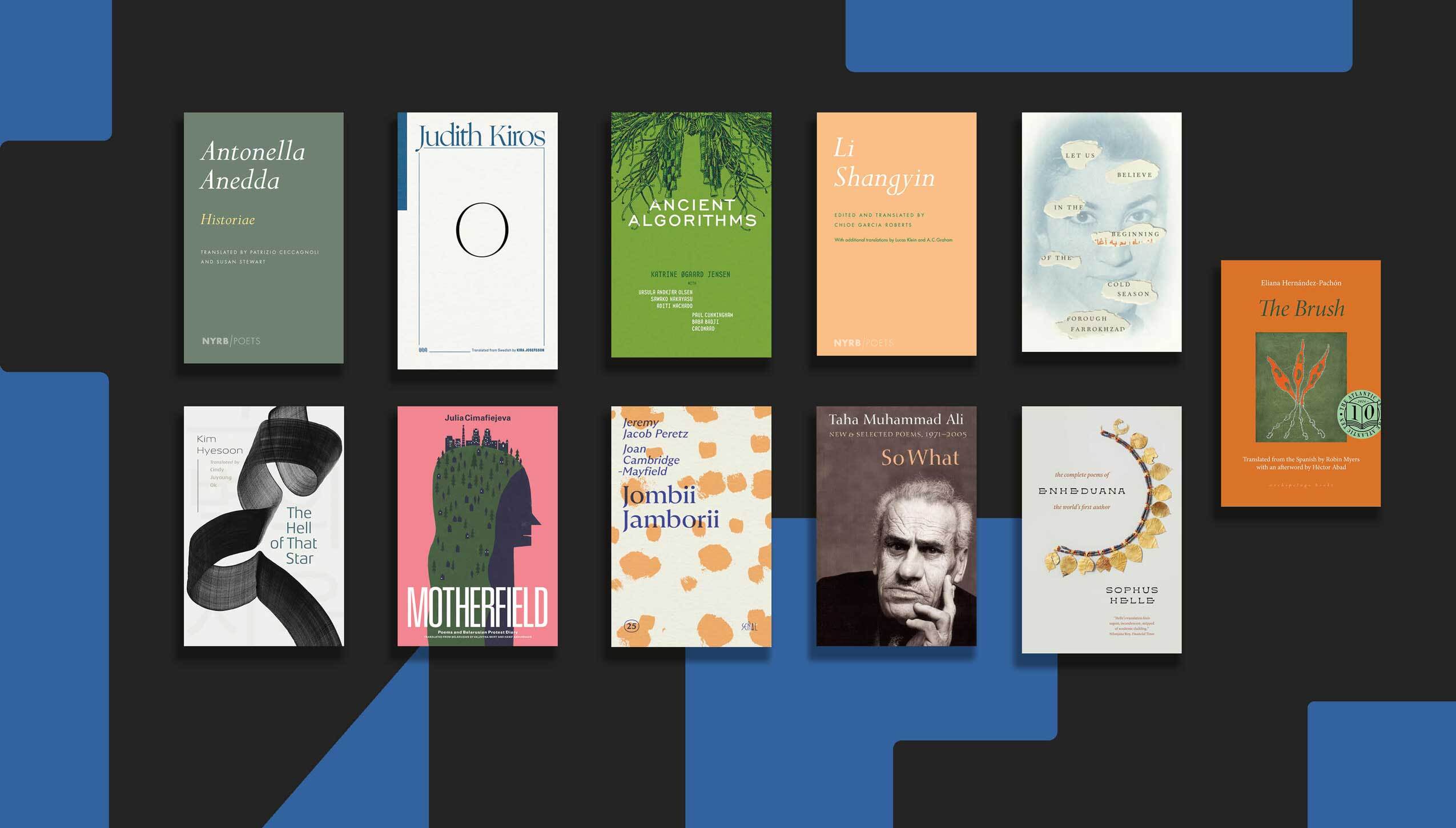
In celebration of National Poetry Month and to highlight the dazzling global range of poetic work, we invited literary translators Diana Arterian, Eric Fishman, and Monica Cure—contributors to Two Lines Press’s Calico series(opens in a new tab)—to share their favorite translated poetry collections from across the world.
Recommendations by Diana Arterian, co-translator of Afghan poet Nadia Anjuman in Hair on Fire(opens in a new tab):
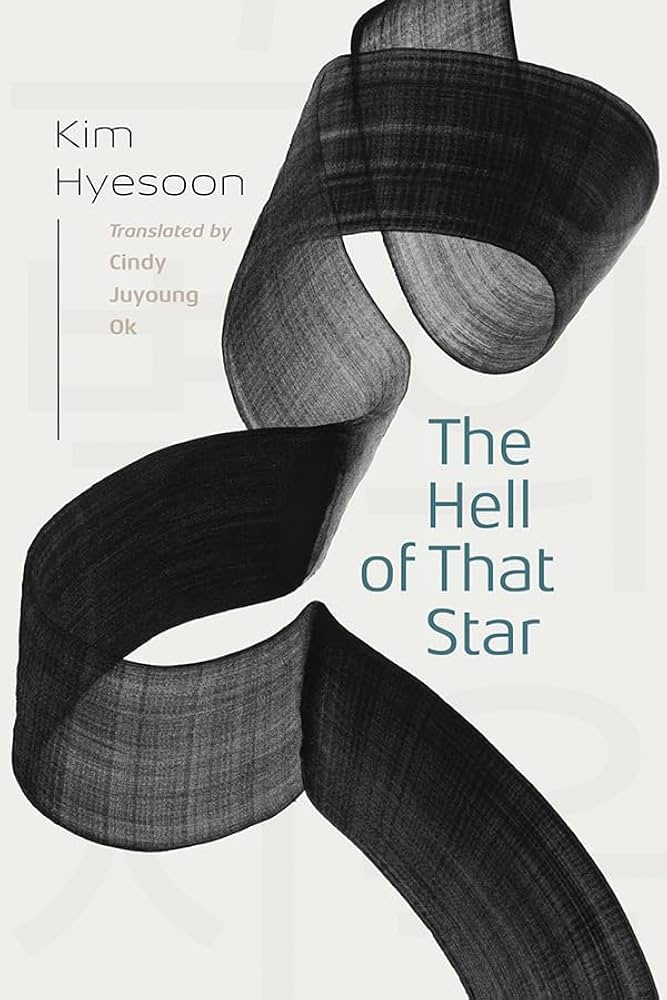
The Hell of That Star(opens in a new tab) by Kim Hyesoon, translated from Korean by Cindy Juyoung Ok (Wesleyan University Press)
I first encountered Hyesoon through the incredible poet and translator Don Mee Choi’s translation of Autobiography of Death. While I could have easily written about Autobiography or Phantom Pain Wings or a number of other books, this recently published volume is a powerful addition to Hyesoon’s work, translated into English by Cindy Juyoung Ok. Written during a brutally oppressive U.S.-backed Korean authoritarian government of the 1980s, in her afterword Hyesoon describes the effect of censorship on her poetry as “the experience of death permeating from my tongue to my whole body.” Indeed, these poems are existential terror deeply embodied, as with a speaker who expresses a desire to use all their wealth “to buy one eye…that does not rot even when buried / I must buy the black pupil that doesn’t burn.”
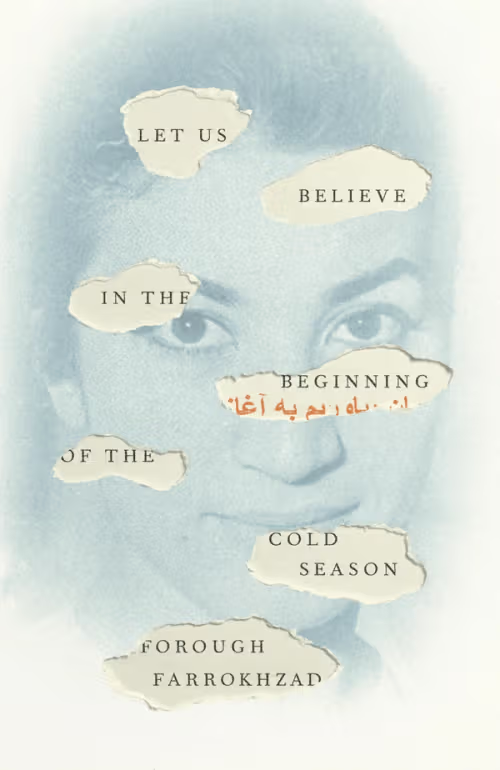
Let Us Believe in the Beginning of the Cold Season(opens in a new tab) by Forough Farrokhzad, translated from Persian by Elizabeth T Gray, Jr. (New Directions)
The formidable and iconic Iranian poet and filmmaker Forough Farrokhzad was among the vanguard of twentieth-century Persian poets who broke open the conventions of poetry that had remained largely untouched for a thousand years. Beyond embracing alternative forms, Farrokhzad famously wrote about sexual desire and amorous encounters otherwise deemed shameful (and ultimately upended her life). “In a country where for centuries women have lived silenced, diminished, and in the shadow of their men,” writes Elizabeth T Gray, Jr., in her introduction to this electric collection. “I have no regrets,” writes Farrokhzad. “I kissed the cross of my fate / on the hills of my execution.”
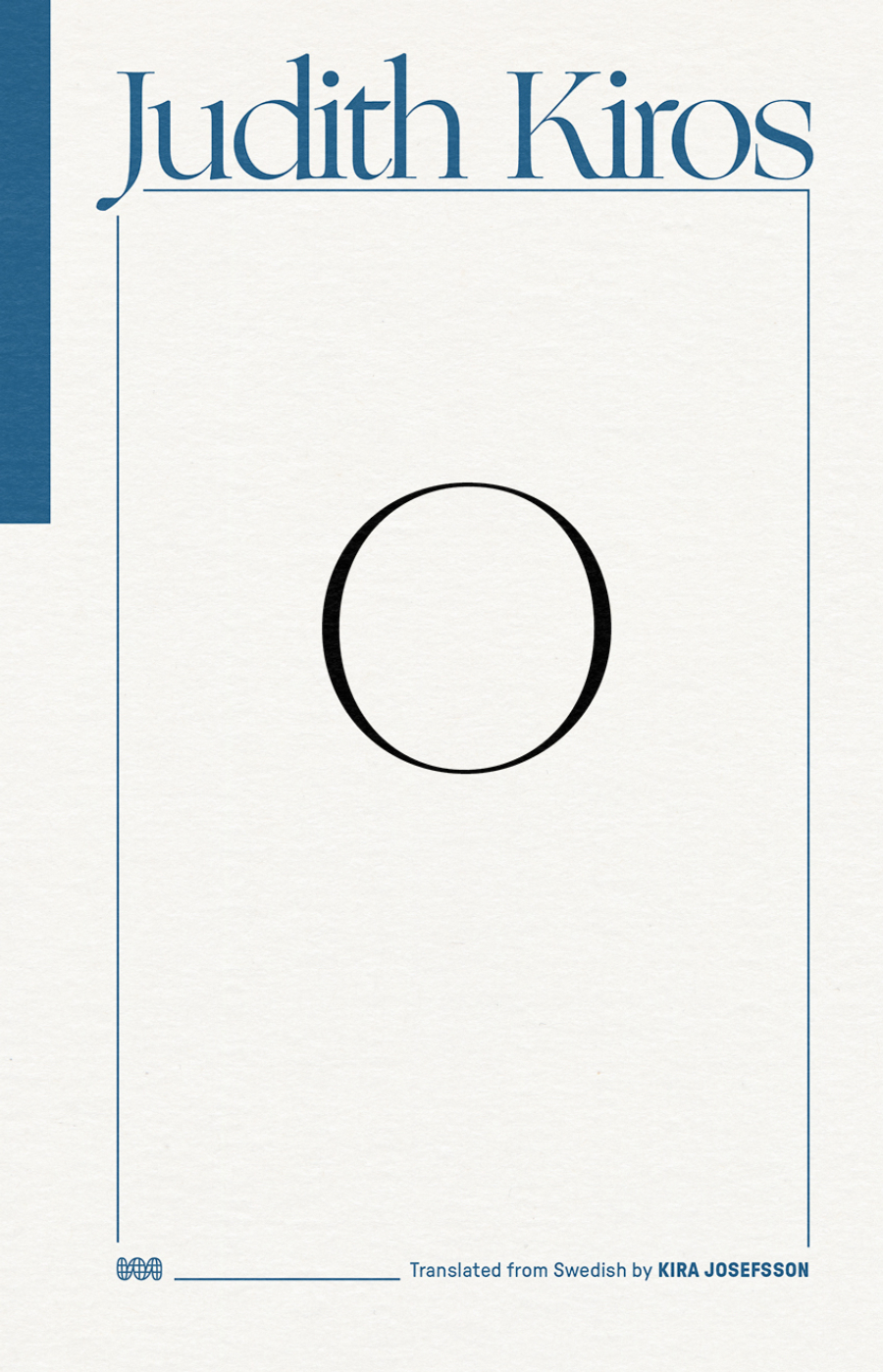
O(opens in a new tab) by Judith Kiros, translated from Swedish by Kira Josefsson (World Poetry Books)
Grounded in Shakespeare’s Othello, O is a volume by a Swedish–Ethiopian poet of Tigray heritage. These poems, as Kiros describes in an interview, engage with the “experience of being entirely isolated and subjected to the gazes of others.” Kiros’s sharp, spare poems hit you like a quick and confident dagger. Then, like a light through a prism, periodic hybrid prose focuses on Othello and its refractions to consider Kiros’s (and others’) circumstances. “Where does a Thing come from. / How is a tragedy constructed.” These rhetorical questions are the pulsing center of this powerful and rigorous collection. (A note: My co-translation was published by the same press, but my ardent admiration for Kiros and Josefsson’s work far outstrips that connection.)
Li Shangyin(opens in a new tab), translated from Chinese by Chloe Garcia Roberts (New York Review of Books)
When Li Shangyin writes, “Whirling drunk, I leaned against a tree / On the eternal island of Peng Lai,” words of the early ninth century in China burn as if they were just pressed into the page. He continues, “There was an immortal there, / Patting my shoulder.” Garcia Roberts’s excellent editing and translation of the late Tang Chinese poet emulates so much of the spirit of translation. The volume includes a handful of alternate translations of Li Shangyin by Lucas Klein and A. C. Graham, allowing the English reader to experience the various ways in which translators attend to the nuances of the poetry that, Garcia Roberts states in her introduction, “Even when read in the original Chinese and in the context of his contemporaries…continue to defy definitive interpretation.”
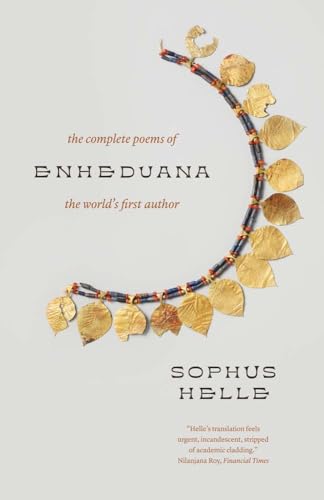
Enheduana: The Complete Poems of the World’s First Author(opens in a new tab), translated from from the original Sumerian by Sophus Helle (Yale University Press)
“The mountain fell / under your rule,” Enheduana says in her powerful exaltation to the goddess Inana. “Its / harvest has failed, / its city gates burn, / its rivers run with / blood.” Enheduana was the high priestess of the Sumerian city-state of Ur, and her ancient words live and breathe here through Helle’s translation. That the first known author was a woman, and her words survived, is a miracle upon a miracle—and solely because children trained in cuneiform copied her poems onto tablets, which were then used as bricks for buildings. The volume includes Helle’s in-depth and delightful essays that highlights Enheduana’s life, the context for her words, and the surprise of their survival through the thousands of years.
Recommendations by Eric Fishman, contributor to Elektrik: Caribbean Writing(opens in a new tab) and Visible(opens in a new tab):
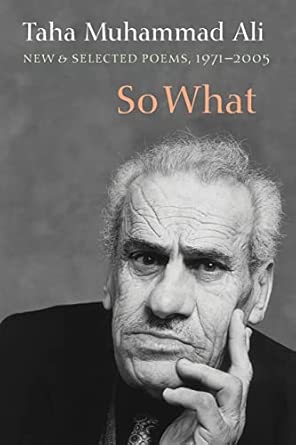
So What: New & Selected Poems, 1971–2005(opens in a new tab), by Taha Muhammad Ali, translated from Arabic by Peter Cole, Yahya Hijazi, and Gabriel Levin (Copper Canyon Press)
Taha Muhammad Ali (1931–2011) was born in the Palestinian town of Saffuriyya, and fled to Lebanon as a teenager after his home was destroyed during the Nakba. He later returned to Nazareth, where for decades he ran a small souvenir shop while writing remarkable poems that are by turns devastating, funny, defiant, and joyful. Cole, Hijazi, and Levin’s translations channel the conversational directness and evocative imagery of Muhammad Ali’s poems. “Lovers of hunting, / and beginners seeking your prey: / Don’t aim your rifles at my happiness … Trust me: my happiness bears / no relation to happiness.”
Jombii Jamborii(opens in a new tab), written in and translated from Creolese by Jeremy Jacob Peretz and Joan Cambridge-Mayfield (Ugly Duckling Presse)
The title of this chapbook sets the stage for many of its themes: “jumbi” can refer to something that is considered “wild” or “low status” (such as, in the colonial and post-colonial context of Guyana, the Creolese language), as well as embodiments of “cherished and feared ancestral memory.” And a jamboree is a party—historically, a celebration organized by enslaved or formerly enslaved people as a form of resistance. The poems in this collection dance back and forth between Creolese and English as the poet–translators explore “Guyanese Creole translation [as an] emerging arena of creative critical praxis.”
Ancient Algorithms(opens in a new tab), by Katrine Øgaard Jensen, with Ursula Andkjær Olsen, Sawako Nakayasu, Aditi Machado, Paul Cunningham, Baba Badji, and CAConrad (Sarabande Books)
Most of the sections of this collaborative collection begin with Øgaard Jensen’s English translations of poems by the Danish writer Ursula Andkjær Olsen. Then, these seven poet–translators follow a dizzyingly creative array of translation processes to deform and recreate these texts, passing them back and forth as if playing a poetic game of “telephone.” To those who ask what the future holds for literary translators amid the encroachment of generative artificial intelligence, this collection provides one reply. Øgaard Jensen writes, “To whom do the poems in this book belong? They are ours and not-ours, evolving via various vessels (poet–translators) through which they transition… Consider this: all writing is translation… All writing is collaboration.”
Recommendations by Monica Cure, translator of Adela Greceanu in Cigarettes Until Tomorrow(opens in a new tab):
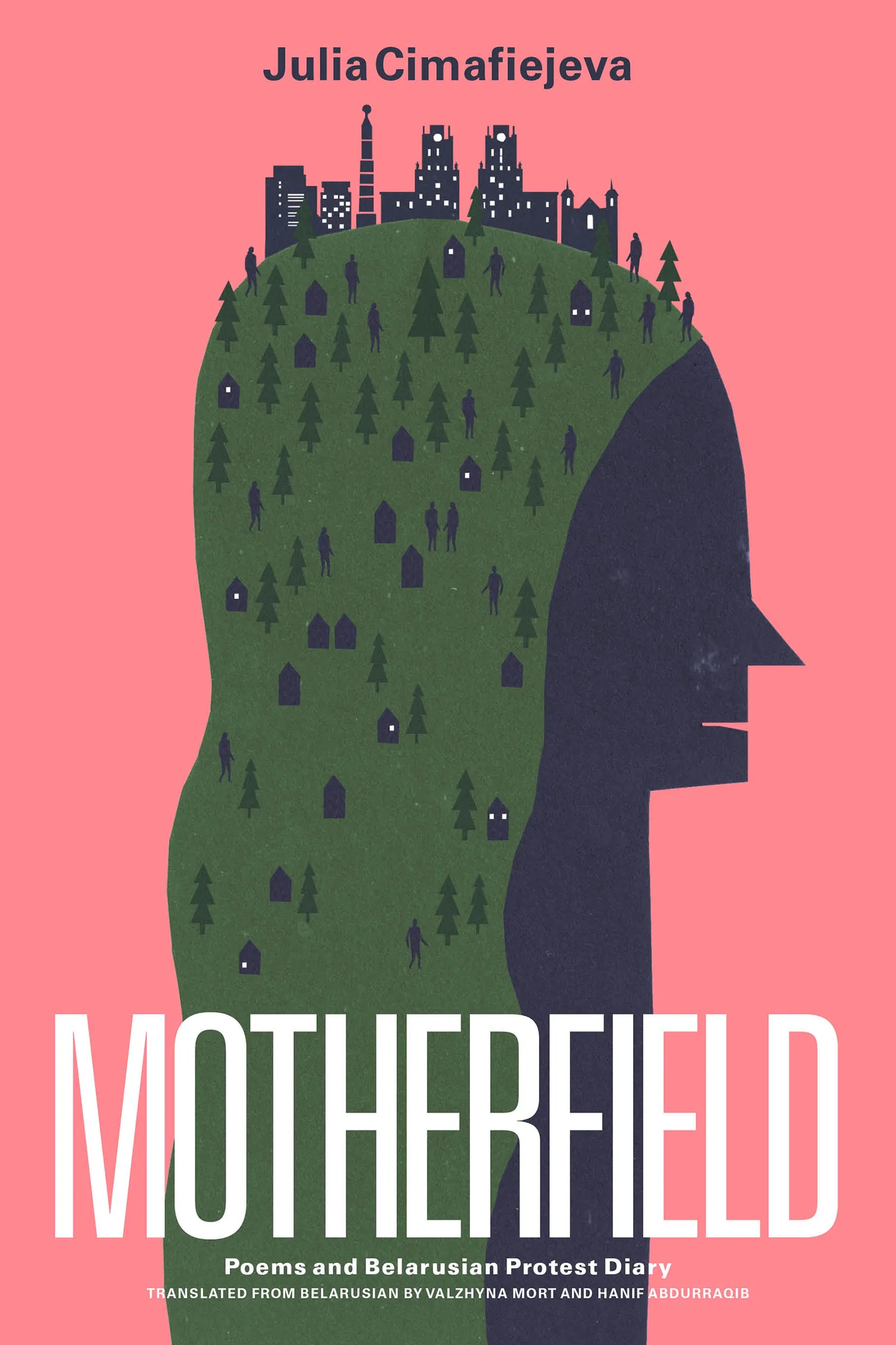
Motherfield(opens in a new tab) by Julia Cimafiejeva, translated from Belarusian by Valzhyna Mort and Hanif Abdurraqib (Deep Vellum)
Motherfield powerfully tells the story of resistance in Belarus through both poetry and autobiographical prose. Cimafiejeva’s collection begins with excerpts from The Protest Diary, chronicling protests from 2020/2021 against Lukashenko, the country’s authoritarian president who has held power since the office was created in 1994, and the lack of fair elections. In her diary, she also chronicles her own need to record moments and write poems in response to the repression that followed, ending with a feeling of survivor’s guilt as she begins a writer’s residency in Austria. Cimafiejeva’s poems circle around the desire for freedom, traumatic memory, the inability to speak, and the female body. In writing that is both political and personal, different mothers and different births, with their various umbilical cords, appear, including a miscarriage in the poignant poem “MSCRRDG.” The excerpts from The Protest Diary and the final poem, “My European Poem,” were written by Cimafiejeva in English and edited by the translators, and that choice adds to the book’s overall sense of urgency, of needing to be heard.
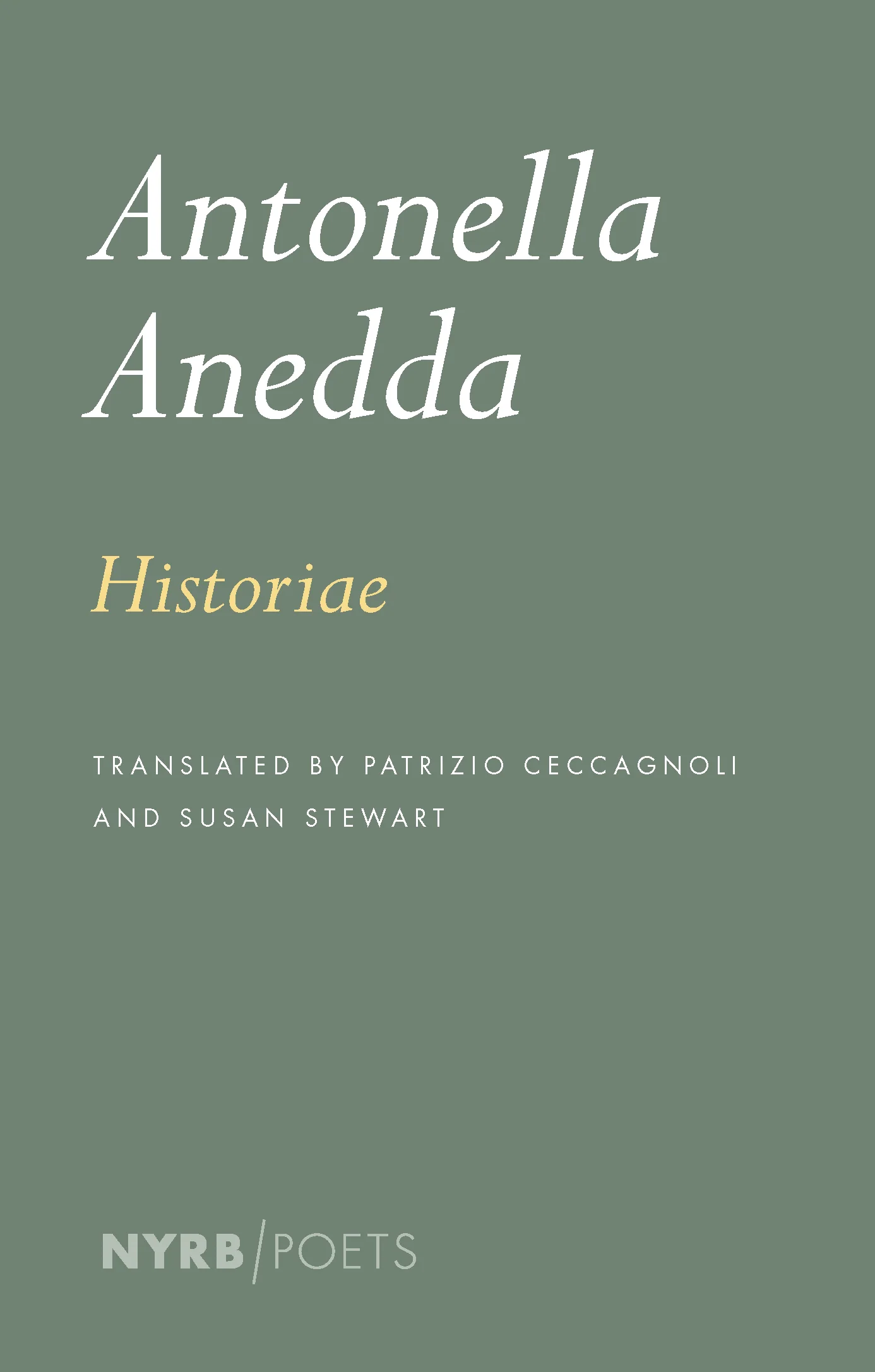
Historiae(opens in a new tab) by Antonella Anedda, translated from Italian and Sardinian by Patrizio Ceccagnoli and Susan Stewart (New York Review of Books)
In “Quarrel,” the second to last poem in Historiae, by Antonella Anedda, the speaker addresses her own words: “The encounter between the living and the dead is our fresco. / Its purpose is renunciation.” The line between the two is blurred constantly in poems that include references to Tacitus, the crisis of refugees in Europe, World War I, Dante, our own skin cells producing dust, and her mother before and after her death. Throughout the collection, beauty and decay are inseparable. Meditative, beautifully pared back, and profound, Anedda’s poems invite us to observe the world along with the speaker and feel the hidden geometry that is just out of our reach. The sense is amplified in this bilingual edition with poems that have both Sardinian and Italian versions followed by an English translation by Patrizio Ceccagnoli and Susan Stewart, more like successive attempts at trying to say something than translations. In Historiae, language always fails us but reveals so much through showing that failure.
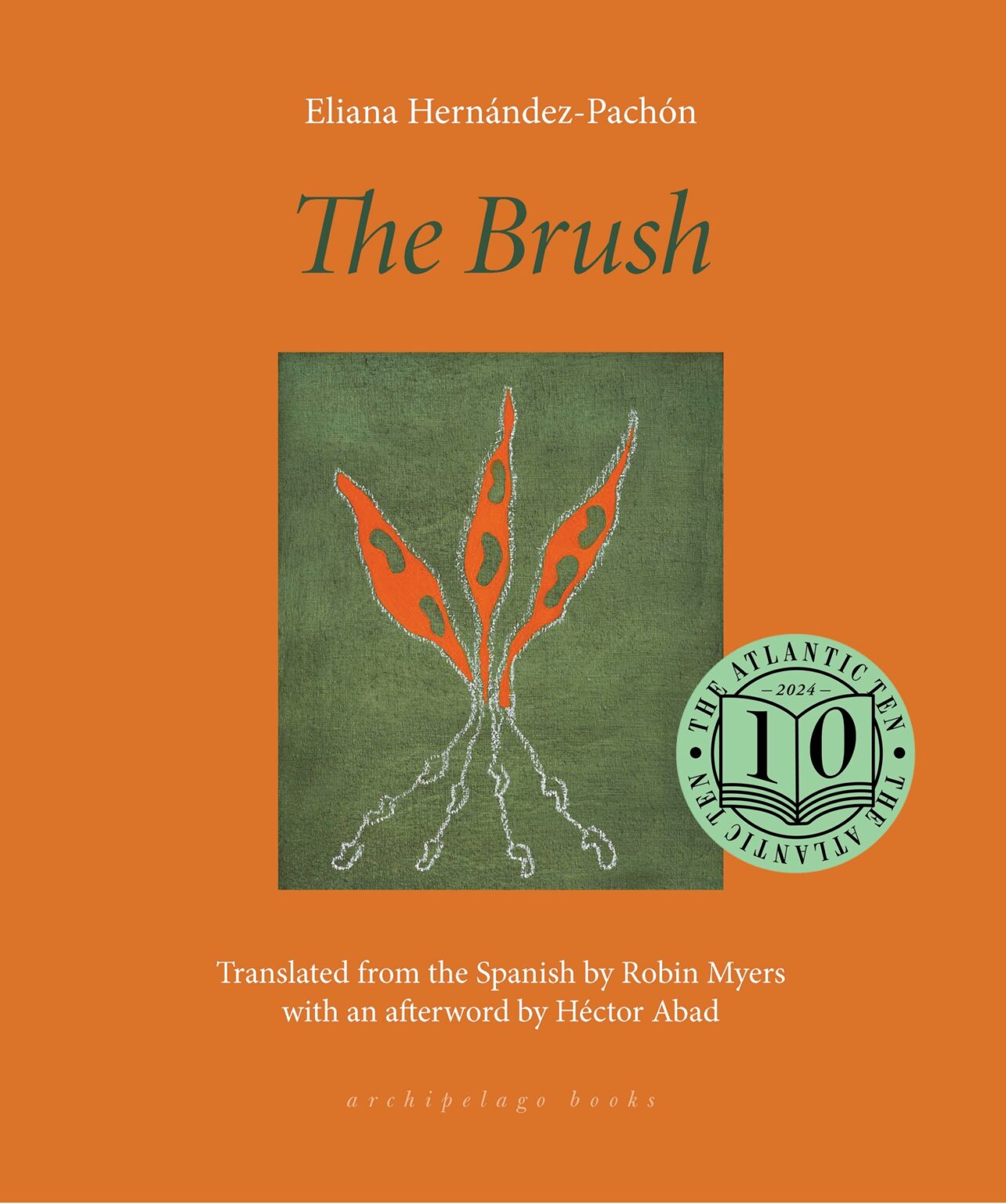
The Brush(opens in a new tab) by Eliana Hernández-Pachón, translated from Spanish by Robin Myers (Archipelago Books)
Divided into three parts entitled simply “Pablo,” “Ester,” and “The Brush,” Hernández-Pachón’s poems hypnotically slip the reader into the world of a massacre in rural Colombia in February 2000 in The Brush. The story builds slowly in the first two sections, with a growing sense of foreboding. Pablo is missing; Ester goes to look for him and encounters a woman with a little girl: “A whisper first, and now her clearer voice: / They did it to me with a knife, the woman says”; the little girl later pulls a shirt out of the river with a stick. The third section alternates among the voices of “The Investigators,” “The Witnesses,” and “The Brush” itself, giving their accounts of the massacre from very different perspectives. Robin Myers’s seamless translation is crucial to preserving the flow between them, with nature having the last word in the poem. The historical context that follows and the afterword by Columbian writer Héctor Abad break the spell in a necessary way.
Diana Arterian holds a PhD in literature & creative writing from the University of Southern California and is the editor and co-translator of Smoke Drifts (World Poetry Books), a collection of the contemporary Afghan poet Nadia Anjuman’s poetry. Arterian is the author of the poetry collections Agrippina the Younger (Northwestern University Press) and Playing Monster :: Seiche, which received a starred review in Publishers Weekly and was a Poetry Foundation Staff Pick. A twice-finalist for the National Poetry Series, her work has been recognized with fellowships from the Banff Centre, Millay Arts, Yaddo, and elsewhere. A poetry editor at Noemi Press, Arterian writes “The Annotated Nightstand” column at Literary Hub and lives in Los Angeles.
Eric Fishman teaches high school humanities in Boston. He is currently translating a selected volume of poetry by the Martinican writer Monchoachi, forthcoming from Milkweed Editions. He has contributed translations to the Calico series collections Elektrik: Caribbean Writing and Visible: Text + Image.
Monica Cure is a Romanian–American poet, writer, and translator currently based in Bucharest. She is a two-time Fulbright grantee, and her poems and poetry translations have appeared internationally in journals such as Poetry Northwest, Graywolf Lab, Kenyon Review, and Modern Poetry in Translation. She won the 2023 Oxford-Weidenfeld Translation Prize for her translation of Liliana Corobca’s novel The Censor’s Notebook.