The Stranger | Joy
The only light she ever saw
Was light that blinded her.
الغَريبة
“Where’s your ma?” I said. “Haven’t you got one?”
“She’s out yonder in the wagon.”
William Faulkner, As I Lay Dying
يَنفَتحُ مَنبَعُ الحُب تَخرُجُ سَوسنة / فَيَنغَلِق
يَنفَتِح مَرّة ثانية / تُطِلُّ نرجِسَة / فَيَنغَلِق
يَنفَتِح مَرّة أخرى فتُطِلُّ منه نُدبَة
عَلّقت تَمائم على عُنُقها
وحين شَدّت بِجِذعِ النَّخلَة
لم يخرج المسيح
خرجت أربَع بنات سَقَطن كالبَلَحِ في الصحراء
الغَريبة
“Where’s your ma?” I said. “Haven’t you got one?”
“She’s out yonder in the wagon.”
William Faulkner, As I Lay Dying
يَنفَتحُ مَنبَعُ الحُب تَخرُجُ سَوسنة / فَيَنغَلِق
يَنفَتِح مَرّة ثانية / تُطِلُّ نرجِسَة / فَيَنغَلِق
يَنفَتِح مَرّة أخرى فتُطِلُّ منه نُدبَة
عَلّقت تَمائم على عُنُقها
وحين شَدّت بِجِذعِ النَّخلَة
لم يخرج المسيح
خرجت أربَع بنات سَقَطن كالبَلَحِ في الصحراء
■ ■ ■
أَتذَكَّرُ الغريبة
ذات الشَّعر الطويل الأسود
والعينين العَسليتين
التي لم تغادر دارتها
إلا مرّة واحدة
لِتَرجُم بسبعة أحجار
كائناً خرافياً في مدينة الضَّلال والظّلال
سَكَنت في مملكة الظِّل
صاحبَتِ العتمة
واختفت فيها
كالضّريرة
لم تَرَ نوراً غير
الذي أَعْماها
تبدو تائهة العينين
بشرة وجهها
كالتي يحملها القادمون من الحرب
وجهها كتلك الوجوه الخفيضة
التي أَلِفَت الخسارات والهزائم
وعاشت فيهما
لم تَسكن غير السّماء
التي أسقَطتها
عليلة، ضعيفة
لم تسبح في بحرٍ
ولا رأت بجعاً في بُحيرات
لم تشرب قهوة الصّباح
في مقهى
لم تتنزّه في حديقة
لم تَكتب رسائل حُبّ
ولم تَتَلَقّها
دوَّخَتها شمس حارقة
في الرّأس ولم تُشفَ من الصُّداع
لاتَتَكَلَّمُ كثيراً
تَتَكَلّمُ بالمسموحِ لَها بِه
تَتكلّمُ قليلاً
لا تَتَكَلَّم أصلاً
وحين تَتكلّم لا يصمُدُ
وجهُها، يختفي
يَسقُطُ
كما يَسقُطُ الغَرامْ
يسقُطُ على صفحة الماء
وحين تَلْتَقِطهُ
يَصِيرُ عجيناً في يدَيها
نَسِيَت أَنَّ لها وَجهاً
فَغَطّته
لم يكن عمرُها يكفي
فجئت لأُتَمِّمَه
:كانت تَقول لي دائماً
“إِنّها سَتستفيق غَداً أجمَلَ من الصَّباح”
إنّها أمِّي
تُشبهُ كلَّ شيء
إلاّ وجه امرأة سعيدة
كم تمنّيت لو رأيتها صغيرة
حافية القدمين تطارد فراشات الرّبيع
أحياناً على غَيرِ عادَتِها تَفتح شُبّاك النافذة
المُطِلِّ على ساحة يَلعَبُ فيها الأطفال
وهي تَعرِفُ أَن العصافير
كَعادَتِها لن تأتي
وحين تَتَسَلَّلُ رُقاقات أَشِعَّة الشمس
يَجفِلُ وَجهُها كأَنّ إِبرَةً وَخَزَتهُ
كانت كَتِلك الأجساد الواهِنة
الرّخوة أو مِثل أوراق الخريف التي تَهفو
مَعَ أَوَّلِ هَزَّة رِيح
لم أتَعَرّف عليها آخر مرّة زرتها
رَأيتُ وجهاً غَضِناً
ونَفساً مَحروقة
كأنّ جُرحاً نَخَزَها ولم تَبرأ منه أبداً
هل هُناك وُجوه لِلمُنتَصرين
وأخرى للمَهزومين في السجون والمنافي؟
كان وجهُ أُمّي كُلَّ تلك الوجوه
ما عدا المُنتصرة منها
وَجهٌ ظَليلٌ
وَجهٌ مُعتِم
مُفتَرَقُ العَمى والتّيه
وَجهٌ طالِعٌ من الغَيبِ كاليَمَامِ البرّي
وَكُلَّما اقْتَرَبتُ منها
كان الظِلُ يَزحَف إليها
لم تَكن أنثى
كانت وَجهاً لِلغياب كانت
كتِلكَ الحيوانات التي وُجِدت على هذه الأرض
لِتُضرَبَ بالرّصاص
أَو تُنهَش
فتحمل جُرحها وتتيهُ في الفلوات
كُنتُ أستمِع إليها في الظلام
أَقصد كان الظَّلامُ يُصغِي إِلينا
وأنا أَتكَلّم وهي تَستمِع
أقصِد وَوالدي يتكَلّم وهي تستمع
أَعرفُ أَنّي حين أُغلِق باب البيت
سَينتهي كلّ شيء ويموت
!السعادة
،هنا لا نَذهَبُ إلى الغابة
تأتي الغابَةُ إلينا وتَأكُلنا جميعاً
■ ■ ■
،كُلَّ مَساء حين أعودُ إلى بيتي
أُشعلُ أَضواء البيت كُلِّها
حتى تَنفذَ الأشِعَّة إلى مَكمَنِ الجُرح
أُشعِلُ الأضواء حَتى إذا جاء الموت
رَأَيتُ وَجهَ عَدُوّي أَمامي
أُشعِلُ الأضواء فلا أَرى شيئاً؛ هل صِرتُ أعمى؟
،في المساء، حين تَحتاجُ إلى شيء دافئ يُقَرِّبُكَ من السّعادة
تُسَوّي لُفافَة ماريجوانا وَتُشعِلُها
،تَسحَبُ الدُخّان إلى كُلِّ مِنطَقَةٍ بِها وَجَعٌ
يَعتَدِلُ مِزاجُك
،يَنبَسِطُ الوجهُ وَتَسترخي عضلاتُك
،تَتَثَاقَلُ الكلمات في فَمِك فتخرج نَعسانة
تَفرَحُ قليلاً وَتَطمَئِنُّ لِوجودك
يُصبح العالم المحيط بك رَخواً، ورائعاً
،يصيرُ بَيتُكَ بَهِيّاً وعامراً بالفَرَح
حتى جارتي المريضة نَفسِيا لا تَبدو سَيِّئة جِدّاً
:حين التَقَيتُها أول مَرَّة قالت لي
،إنّها تُحِبُّ طَنجة والبحر الأبيض المتوسط
وَبعدَها قالت لي إنها تُحِبُّ الكُسكس
وحين التقَيتها آخر مَرَّة قالت لي إنها تَكرهنا جميعاً
■ ■ ■
هنا يا أَحبّائي هي الأمكنَةُ التي نَحتَضِرُ فيها
دون أن نموت
هنا نُحبُّ، ونَتزوّج أحيانا
،ونَحتَفِلُ بالطلاق
وبعد الخمسين، يختفي الأصدقاء لا أقصِد يَموتون
،فَقط يختفون
وبَعدَها، نَكتَئِبُ، وَنَضجر
هنا يا أَحبّائي حين أكتُبُ قصيدة عن الحبِّ تخرجُ لي
أغصان الشجرة المجاورة لبيتي فَتُطالِبُني بالنسيان
هنا يا أَحبّائي هي الأمكنَةُ التي نَحتَضِرُ فيها
دون أن نموت
هنا يا أَحبّائي بعض الناس يَضعون حَدّاً لِحياتهم
فَقَط لأنهم رائعين وجميلين
،ولا يَحتَمِلون السَّعادة
وآخرون لا يَحتَمِلونَ العَيشَ وَحيدين فَيمُوتون
■ ■ ■
في بعض البُلدان العربية
نَموتُ لِأَنَّ طائرات حَربية تَصعَدُ إلى السماء
تُلقي قَذَائِف، فتَملَأُ
المُدن والقُرى بِدُخانٍ يُشبِهُ الفَحم
في بَلَدي يَمُوتُ الناس لأنّهم فُقراء وَجائعون
لأنهم حين يَمرضون لا يَفحَصُهُم طبيب
لأنهم يَظلّون هكذا حتى يَتَعَفَّنون وَيموتون
The Stranger
“Where’s your ma?” I said. “Haven’t you got one?”
“She’s out yonder in the wagon.”
—William Faulkner, As I Lay Dying
The source of love opened
And a lily emerged.
Then the lily closed.
The source opened again
And a narcissus emerged.
Then the narcissus closed.
The source opened once more
And a scar emerged.
The woman hung amulets around her neck
But when she shook the palm tree’s trunk
Jesus failed to appear.
Four girls appeared instead, dropping
Like dates in the desert.
* * *
I remember the stranger with the long black hair,
Her eyes the color of honey,
Who only ever left her house once
To cast seven stones
At a mythical creature
In the city of deviance and darkness.
She lived in the kingdom of shadows,
Befriended the twilight,
And disappeared into it
As if she were blind—
The only light she ever saw
Was light that blinded her.
Her eyes looked lost, her face
Was the face of a war zone,
The face of a woman
Dwelling in loss, defeat.
And the only sky she lived in
Brought her down,
Made her sickly, weak.
She never swam in the sea,
Never saw the swans in the lakes,
Never had her morning coffee
In a café.
She never strolled in a park,
Never wrote any love letters,
And never received any.
The blazing sun overwhelmed her—
Her headache never subsided.
She never talked much,
Spoke only within propriety’s bounds,
Spoke only a little,
Spoke only when spoken to,
And when she did speak, her face
Failed to endure,
It disappeared, dropping
Like love.
And when she picked it up again
It turned to dough in her hands.
Forgetting she had a face,
She kept it covered.
Her life was never enough
So I came to complete it.
She always told me
She would wake up in the morning
And it would be a better day.
She was my mother.
She resembled everything
Except a woman who was happy.
I wish I could have seen her
When she was a barefoot child
Chasing butterflies in spring.
Sometimes, very rarely, she would open the window
Overlooking that courtyard with the playing children,
Although she knew the birds, as usual,
Would fail to come.
And whenever the sun’s thin rays snuck in
She winced, as if pricked by a needle.
Her body was frail and weary, like autumn leaves
That fall with the very first wind.
I didn’t recognize her the last time I visited—
I saw a wrinkled face
And a burnt soul,
As though she’d never recovered
From some deep wound.
Are there certain faces for the victors
And others for the vanquished in their prisons, their exile?
My mother’s face was all those faces,
All except the victors’.
A face opaque, dark,
The intersection of blindness and delusion,
A face that rose from the unseen world
Like a wild bird,
And whenever I approached it
The darkness would creep in on it.
She wasn’t feminine—
She was the face of absence,
She was like those animals that are here
Only to be shot
Or mauled,
And so they bear their wounds
And wander through the wilderness.
I was listening to her in the dark—
Or rather, the dark was listening to us.
I was speaking, and she was listening—
Or rather, my father was speaking, and she was listening,
And I knew that when I closed the door of our house
Everything would end and die.
Joy
Here we do not go to the forest—
The forest comes to us and devours us.
Every evening when I come home
I turn on all the lights
Until the rays cut through
To where the wound lies hidden.
I turn them on so that if death comes
I can see my enemy’s face before me.
I turn on the lights but see nothing.
Have I gone blind?
In the evening, when you need something warm
To bring joy closer,
You roll a joint and light it,
You draw the smoke into every aching part of you,
And your mood improves,
Your face relaxes, your muscles soften,
The words in your mouth slacken
And come out in a stupor,
And you rejoice a little, reassured
Of your own presence.
The world around you turns languid, and marvelous,
Your house is radiant now, and full of joy…
Even my neighbor, a French woman who’s mentally ill,
Doesn’t seem so bad anymore.
When I first met her she told me she loves Tangier and the Mediterranean.
The next time she said she loves couscous.
And the last time I saw her, she said she hates us all.
Here, my beloveds, are the places
Where we draw our last breaths
Without dying.
Here we fall in love, and sometimes get married,
And celebrate with divorce.
After fifty, our friends disappear. I don’t mean they die—
They just disappear.
And then depression comes, and boredom too.
Here, my beloveds, when I write a poem about love,
The branches of the tree beside my house
Reach out to me, and ask me to forget.
Here, my beloveds, are the places
Where we draw our last breaths without dying.
Here, my beloveds, some people put an end to their lives
Simply because they are wonderful, and beautiful,
And they cannot bear the joy.
Others cannot bear to live alone—
They give up the ghost as well.
In some Arab countries
We die because warplanes are dropping bombs
And filling the cities and villages
With smoke as dark as coal.
In my country people die because they’re poor and hungry,
Because no doctors see them when they fall ill—
They just stay that way
Until their bodies rot and die.
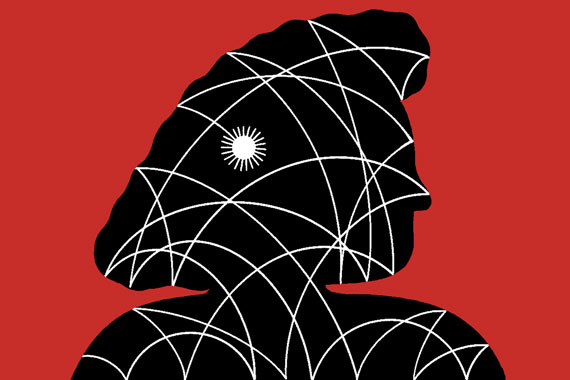
Image by Julien Posture
Bouchaib Gadir is a professor of practice in the French and Italian department at Tulane University in New Orleans. In 2017, his book of poetry LES LETTRES DE LA NOUVELLE-ORLÉANS was published by L’Harmattan, Paris, France. He has been publishing his poems in Al-Araby Al-Jadeed, a London-based newspaper. His latest collection of poetry titled Petits rêves will be published by Editions Non Lieu in Paris, France, 2021.