Fall 2022 Books in Review
A recap of this season’s three new releases at Two Lines Press, plus a look into recent reviews, readings, and discussions.
This season at Two Lines Press saw the release of three new books— Visible: Text + Image, Hugs and Cuddles, and Days Come and Go.
Each book is a distinct world unto itself, and each publication has launched its own series of exciting new conversations in the press, at virtual panel discussions, and at in-person readings.
Keep reading to learn more about each book, and to get a window into what new questions and topics they’ve helped surface in recent conversations about literary translation and international literature.
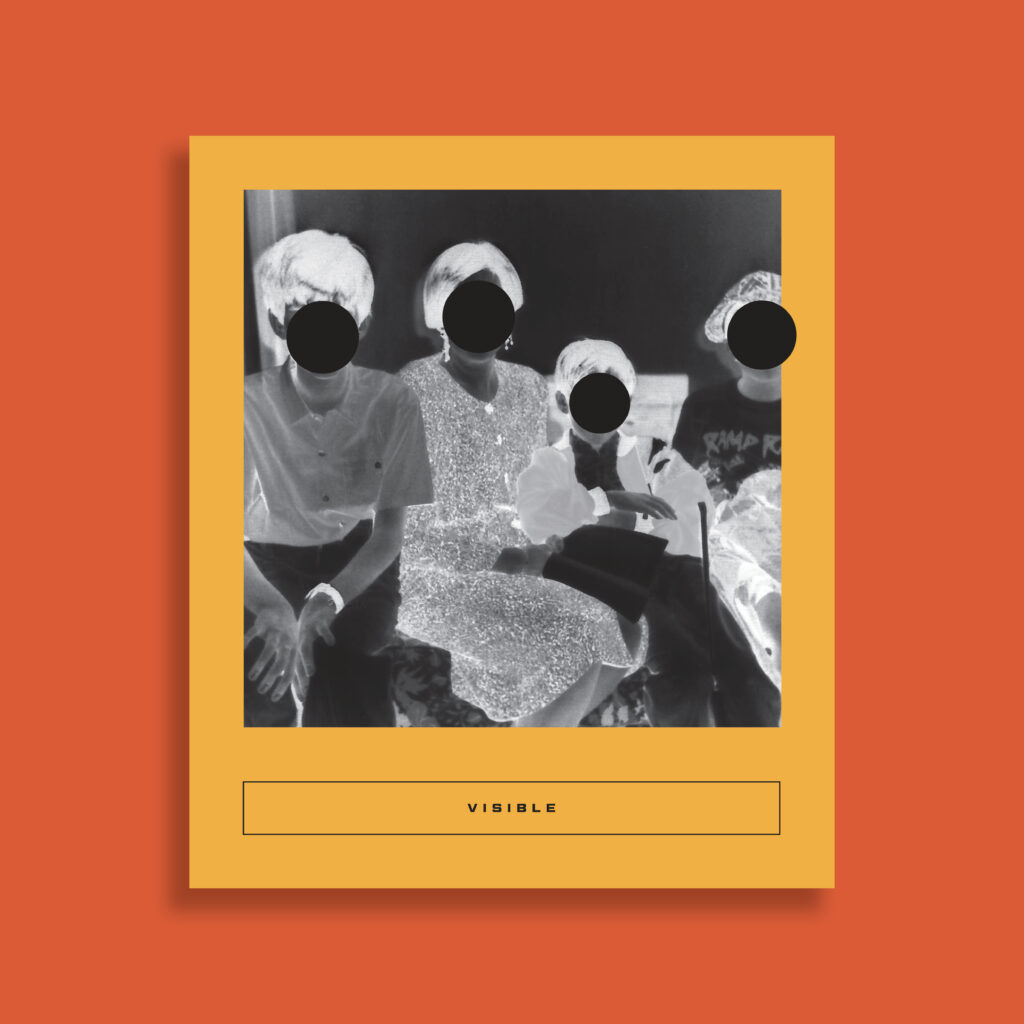
Visible: Text + Image
The season kicked off with the release of Visible: Text + Image, the latest installment of the Calico series, on September 27. Brimming with enigmatic photographs, future memes, and mud drawings, Visible showcases six genre-defying works from around the world that ask us to interrogate the thin traces of shifting meaning we find in and between words and images, and how we can change that meaning for the future.
On September 30, at this year’s Day of Translation in Washington, DC, author Heather Green, artist Abdulrahman Naanseh, translator Alta L. Price, and Verónica Gerber Bicecci (whose work is featured in Visible) gathered for a discussion titled Word + Image: Where Meaning Collides. Together, the panelists took a deep dive into the relationship between what we say, how we read, and why we create. The discussion expanded the focus of the symposium to include the question of translation as a process not just between languages, but between media.
The public conversation that began at the Day of Translation continued at Litquake in the Bay Area on October 16, when translators Elina Alter, Eric Fishman, Il’ia Karagulin, and poet Rodrigo Flores Sánchez shared readings from the two most recent Calico editions: Visible and This is Us Losing Count. Alongside Calico editor Sarah Coolidge, the event was a welcome, collective celebration of the panelists’ work.
As Jenny Wu writes in the Brooklyn Rail(opens in a new tab), Visible‘s “associative and incantatory pairings” of artists and writers “deftly approach history by answering generously to [their] subjects. Past and present come together in a refreshingly collaborative spirit.”
Hugs and Cuddles
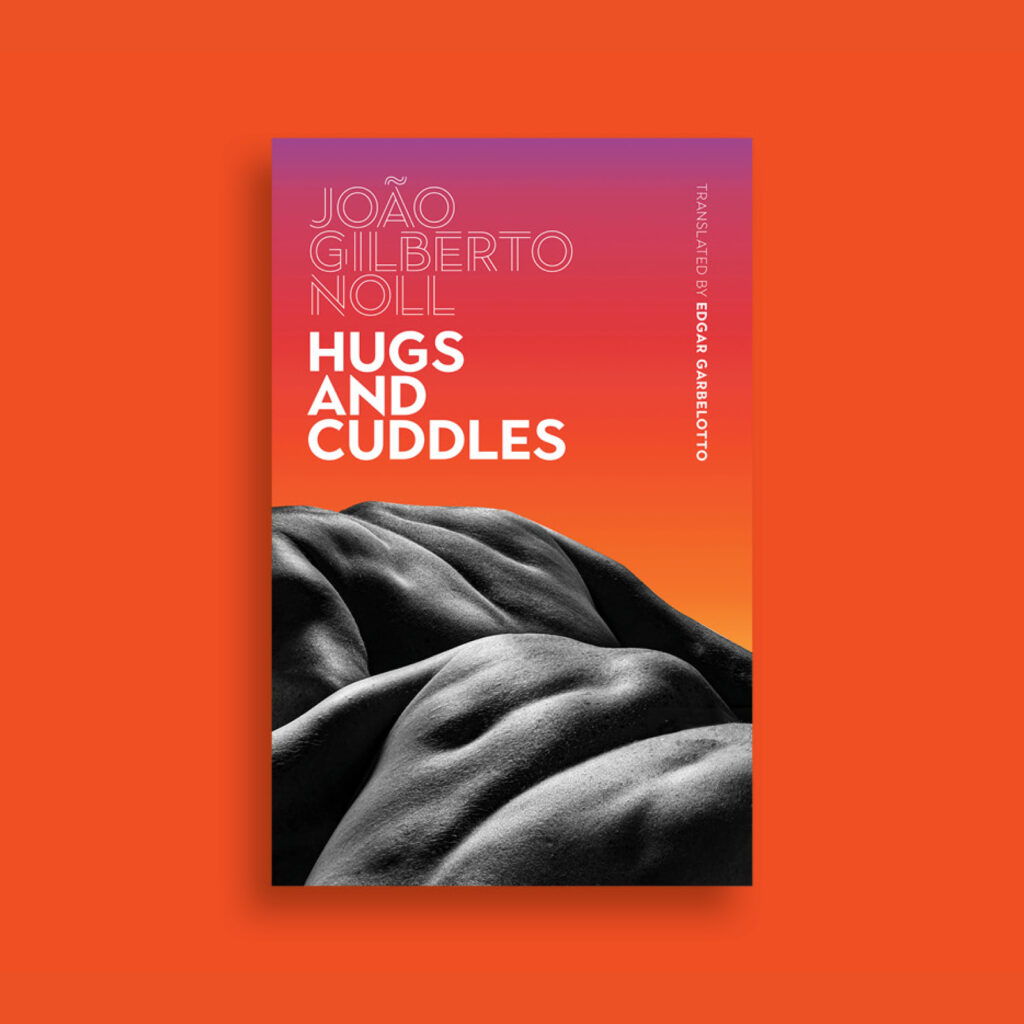
Hugs and Cuddles, released on October 18, is one of Two Lines Press’ most adventurous publications yet. The insatiable narrator, driven to discover his true self through increasingly transgressive sexual urges, embarks on an epic journey through the shadows of a dysfunctional society. The resulting novel is the late João Gilberto Noll’s most radical statement: A Book of Revelations-grade voyage to the end of gender and the outermost reaches of sexual and artistic expression. Nimbly translated from Portuguese by Edgar Garbelotto, Hugs and Cuddles is an unapologetically explicit fable of fluidity.
A virtual launch for the book took place on November 3, in partnership with Third Place Books in Seattle and Community Bookstore in Brooklyn. Translator Edgar Garbelotto joined Mattilda Bernstein Sycamore and Andrea Lawlor to present the book, discuss Garbelotto’s translation and celebrate Noll’s life and work.
“Hugs and Cuddles laughs at gender, but takes sex seriously,” Lily Meyer writes in NPR(opens in a new tab). “It is both prurient and philosophical, gleefully dirty and wrenchingly serious.”
In ASTRA magazine, Jenny Wu analyzes(opens in a new tab) how Noll’s form and the narrator’s voice make Hugs and Cuddles a groundbreaking new experiment in a profound sort of freedom: “By choosing such a cascading and breathless form, Noll locks the reader into the same terrifying zone of freedom that the narrator occupies,” she writes.
“Noll’s novel proposes a new model of sociality, one in which sexual reciprocity is the basis of social exchange. Here, erotic encounters become testing grounds for new political systems and kinship configurations. In this fictional world, where values such as fluidity, collectivity, and jouissance prevail, where bodies are constituted by desire and condemned to be free, self-renunciation may be the key to communion.”
Days Come and Go
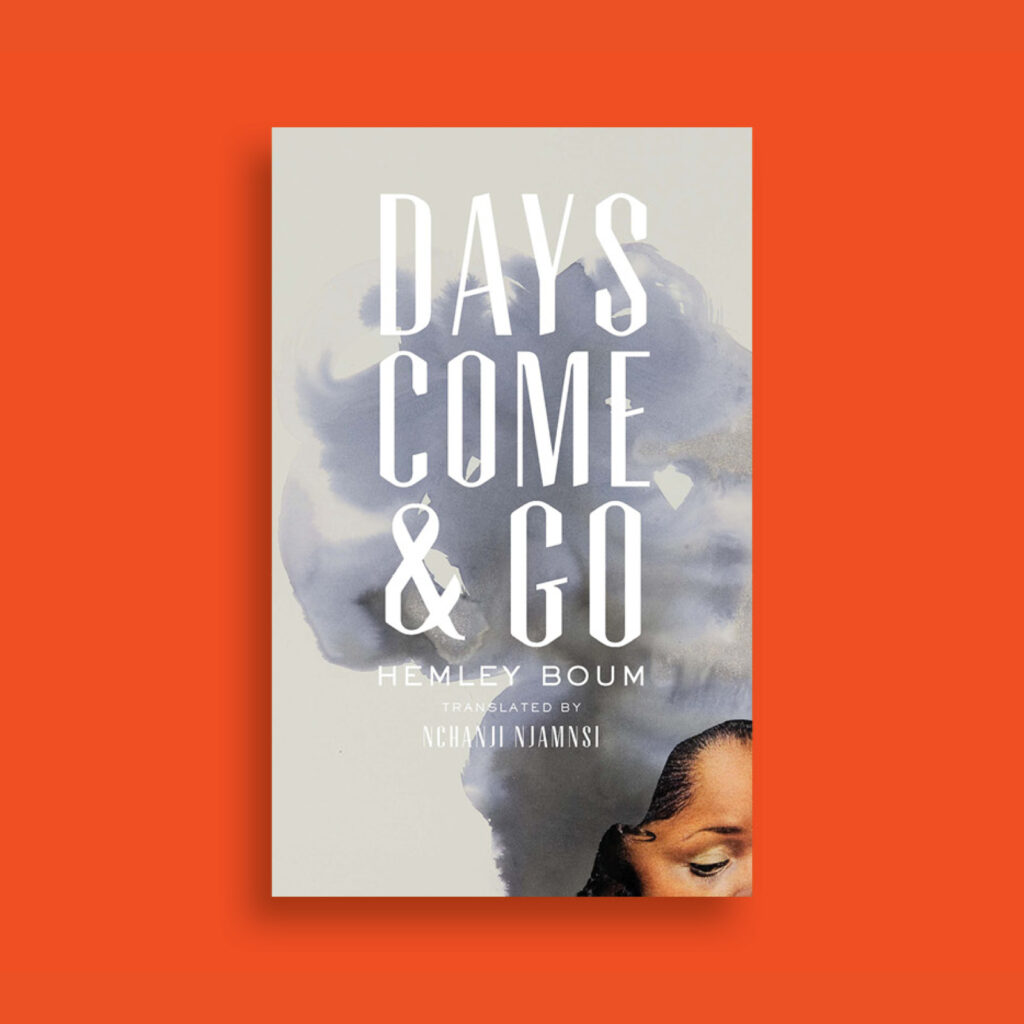
Released on November 1, Days Come and Go is the remarkable story of three generations of women both within and beyond the borders of a rapidly changing Cameroon. Through the voices of Anna, a matriarch living out her final days in Paris; Abi, Anna’s thoroughly European daughter (at least in her mother’s eyes); and Tina, a teenager who comes under the sway of a militant terrorist faction, Boum’s epic is generous and all-seeing. As passions rise, fall, and rise again, Boum’s stirring English-language debut, translated by Nchanji Njamnsi, offers a discerning portrait of a nation that never once diminishes the power of everyday human connection.
In mid-October, Hemley Boum flew in from France for her first series of events in the US with Two Lines Press— first with John McMurtrie at Litquake, and then with author Kesha Ajose-Fisher at Powell’s City of Books in Portland, introducing readers to her novel firsthand.
As they enmesh themselves in broader social strata and relationships with men, the women of Days Come and Go experience heartbreak, betrayal, and even threats to their lives, but as noted in A Bookish Type(opens in a new tab), they persevere:
“In spite of all the heartache and pain the women experience in Days Come and Go, I think that the narrators in this story wouldn’t say that we have to give up any of these relationships. Instead, I think they’d say: keep your eyes open. I think they’d also say: you don’t need another person to make you whole. And I think that, in the end, they would say: we are stronger and more resilient than we realize.”