Celebrating National Poetry Month at CAT
A walk through the Center’s engagement with poetry in translation across the Calico series, our online journal, and our education program.
Since Two Lines was founded as a print journal in 1993, we’ve been honored to publish poetry by emerging writers and translators from all over the world. April is National Poetry Month, so we’re spotlighting poetry at CAT in all forms— across our books, journal, and education program— to get in the spirit.
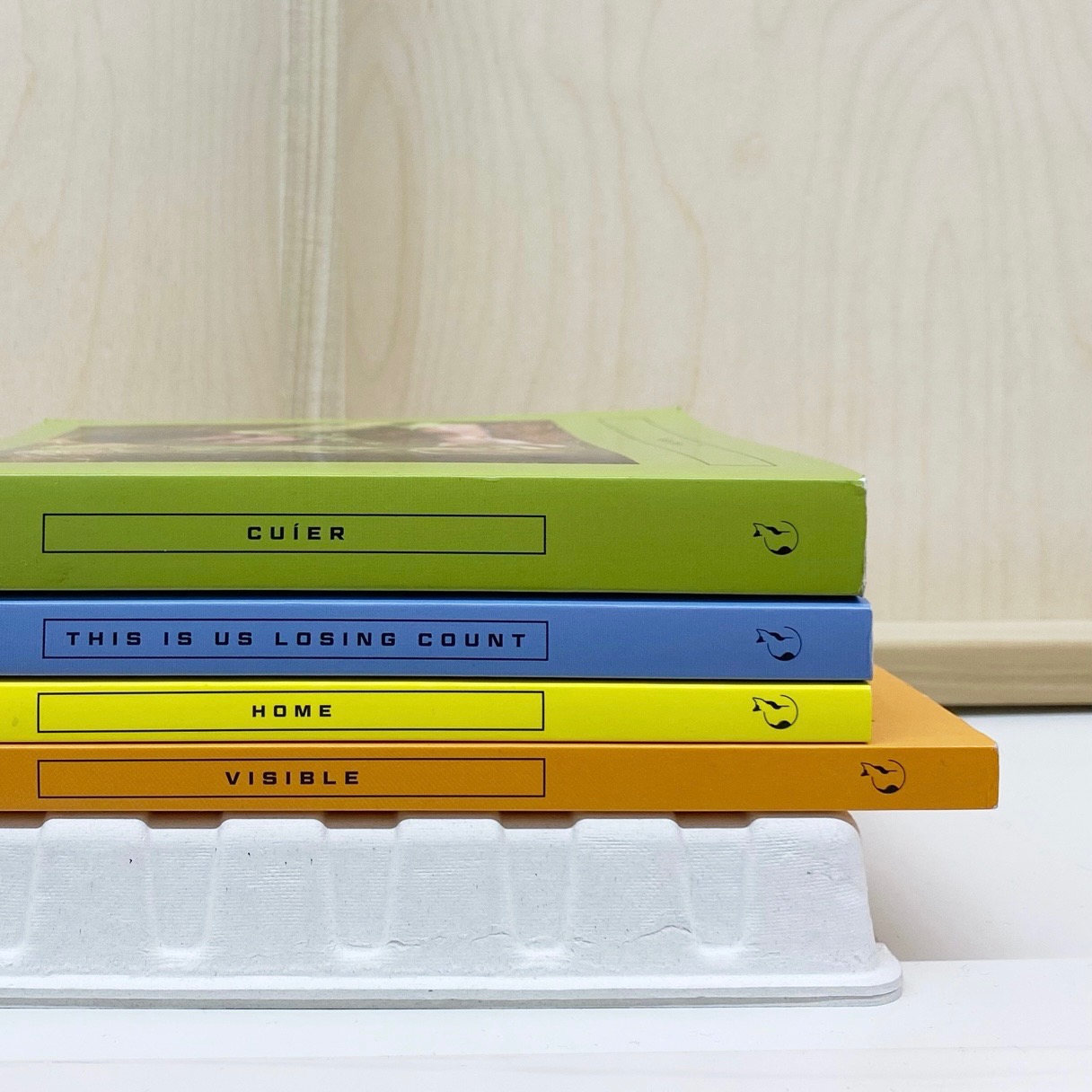
In March 2020, Two Lines Press launched the Calico series, a new set of biannual releases dedicated to capturing vanguard works of translated literature—curated around a particular theme, region, language, historical moment, or style—in vibrant, collectible editions. Calico broadened the life of poetry at Two Lines Press and created a new home (along with our online journal) for the work of translators and international poets, many of whom had work that was previously unpublished.
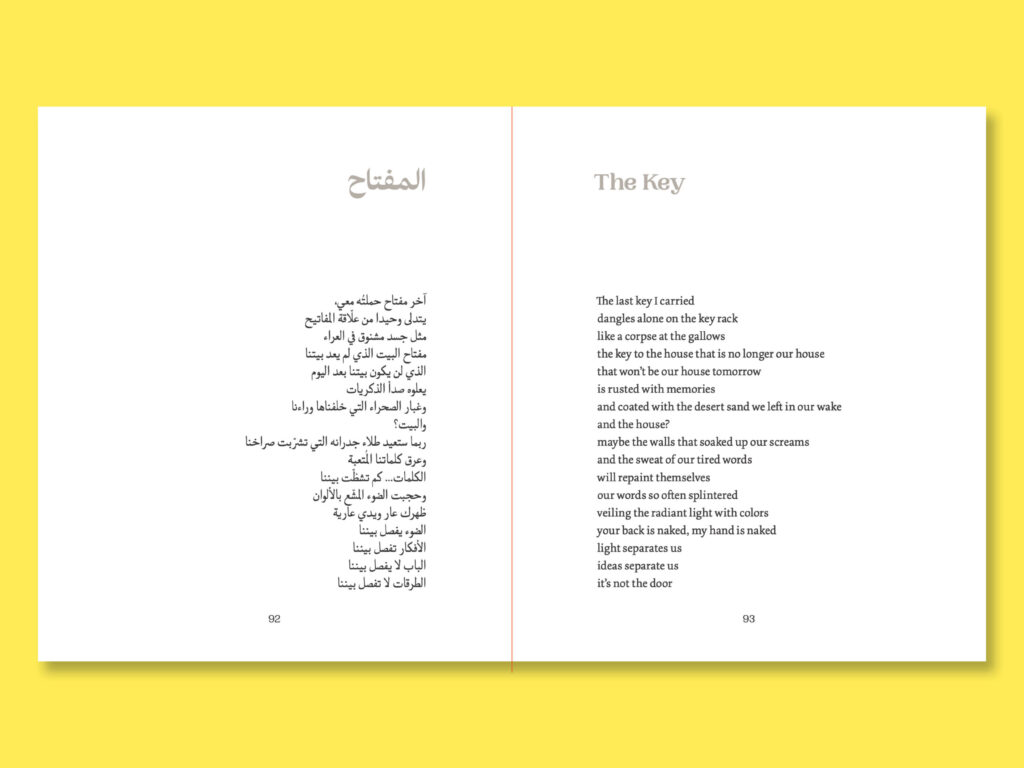
Published in September 2020 as the first Calico edition fully devoted to poetry, Home: New Arabic Poems(opens in a new tab) collects nine contemporary Arabic-language poets in a fully bilingual edition to explore the intimate worlds of the everyday. You can read “The Key” by Ines Abassi, translated by Koen De Cuyper and Hodna Bentali Gharsallah Nuernberg, on Literary Hub(opens in a new tab). Over at Poetry Society of America(opens in a new tab), you can read a few poems by Mohamad Nassereddine, translated from Arabic by Huda Fakhreddine.

This Is Us Losing Count, published in March 2021, gathers the works of eight contemporary Russian poets, including Galina Rymbu, Alla Gorbunova, Olga Sedakova, and others. IWe invite you to read “The Water Freezes” by Alla Gorbunova (translated by Elina Alter) at Words Without Borders(opens in a new tab), which begins “The water freezes, / becoming a heavenly body.” And “Beads” (Poetry Daily(opens in a new tab)) and “Night Sewing” (Literary Hub(opens in a new tab)) by Olga Sedakova, translated by Martha Kelley.
You can find more translated poetry in Cuíer: Queer Brazil and Visible: Text + Image, two multi-genre, mixed-media collections also published within the Calico series. And as a gift for National Poetry Month, you’ll receive 20% off any of these four titles at checkout through the end of April 2023!
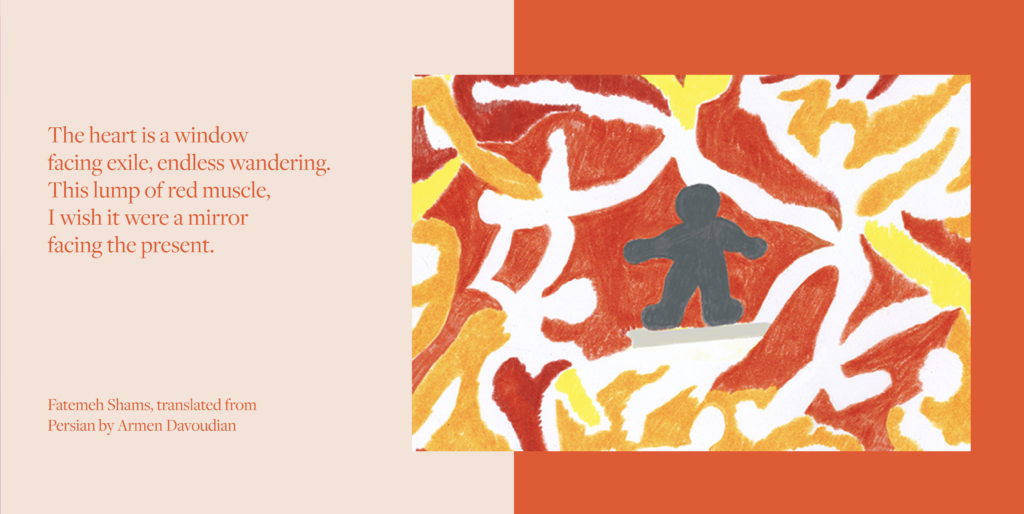
Last month, our online journal Two Lines returning for its Spring 2023 season with two pairs of poems online. “Electrocardiogram” and “Finger in the Operating Room,” written by Fatemeh Shams and translated from Persian by Armen Davoudian, tensely yet poignantly examine feelings of disfigurement under surveillance and exile through the lens of surgical procedures. In his poems “January 10, 2021” and “January 11, 2021,” translated from Japanese by Judy Halebsky and Ayako Takahashi, Wago Ryoichi reckons with the force of natural disasters by contemplating minute details: the inferno of ripening persimmon branches, old flags twisted in dunes on the beach.
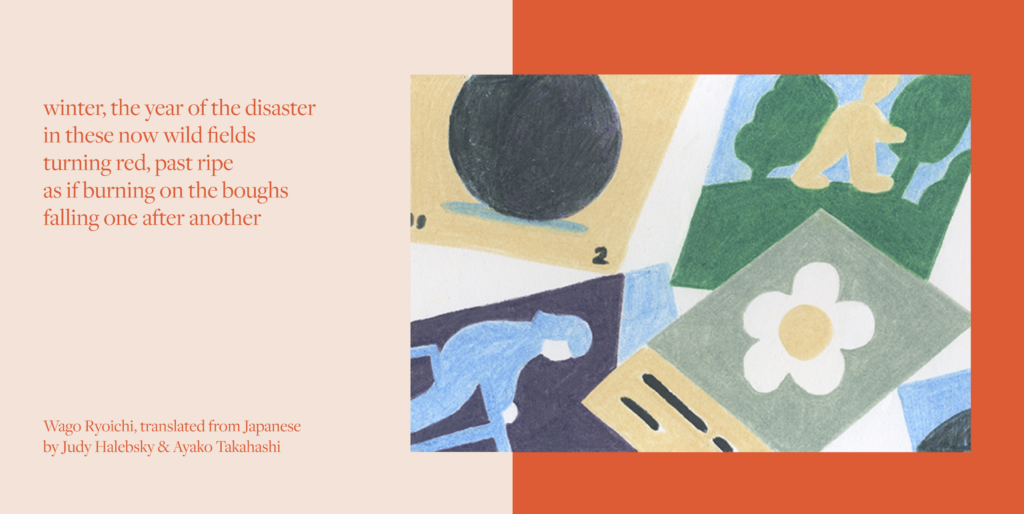
This season, we’ve also published three poems by Tomas Venclova (translated from Lithuanian by Rimas Uzgiris), and two poems by Yuliya Musakovska (translated from Ukrainian by Musakovska and Olena Jennings). We’re honored to share these pieces with you, and we can’t wait to publish more stellar poetry and short fiction online in the weeks ahead. Be sure to check our Instagram and Twitter(opens in a new tab) for updates on new pieces every Tuesday this Spring.
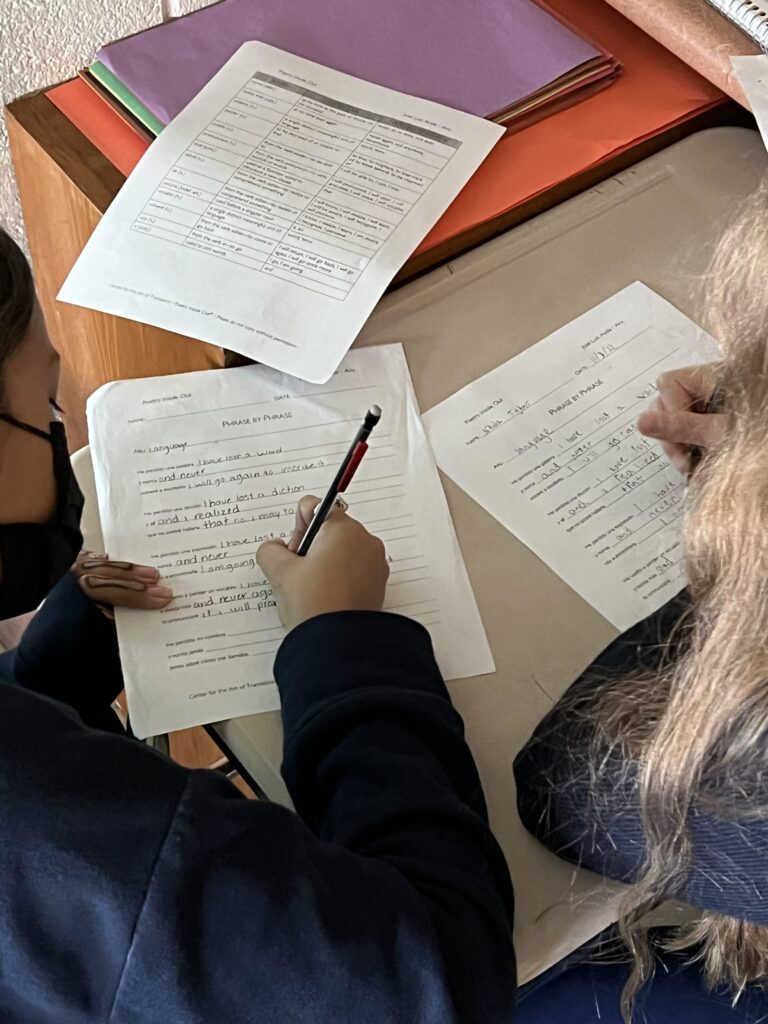
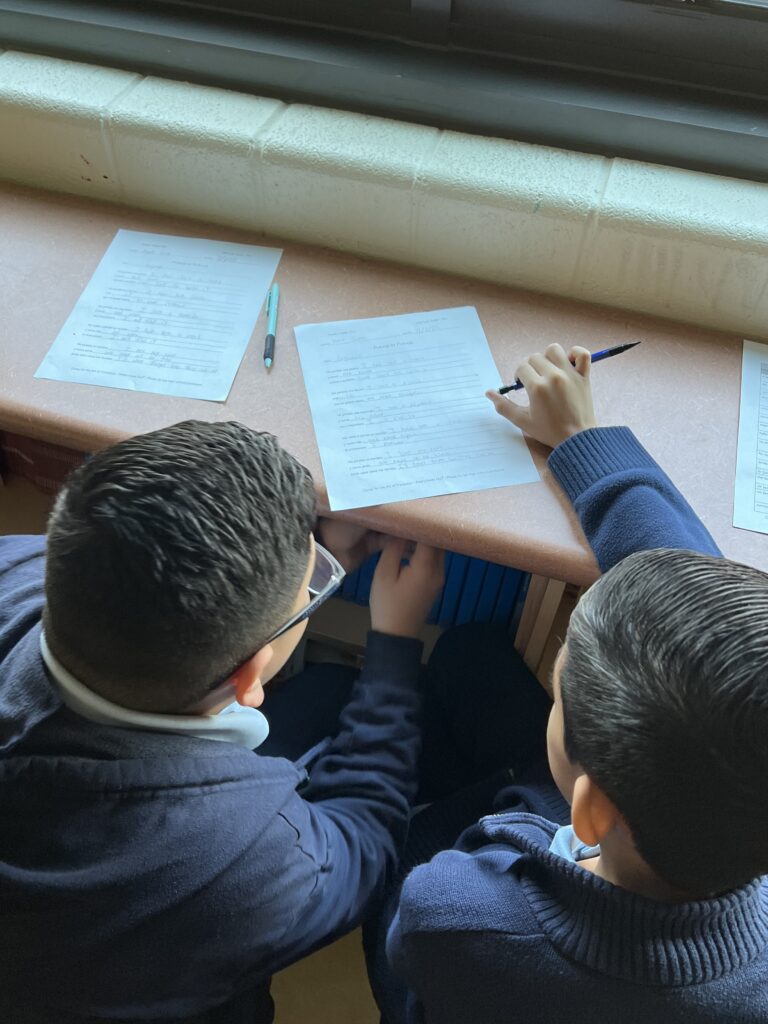
Last but not least, an essential component of the life of poetry at CAT is our education program, Poetry Inside Out. PIO breaks down barriers to collaboration and learning. With great poets as their guides, students read and translate poems from around the world— as of now, we showcase more than 70 poems in 25 languages, and are working to create dozens more poem pages each year. Students’ nuanced interpretations of the texts at hand lead to deep conversations about language, expression, and identity as they reach new insights together through translation.
For a window into the how the translation process works for students, you can find sample poem pages here (by Daisy Zamora(opens in a new tab)) and here (by Aimé Cesaire)(opens in a new tab). If you’re a teacher interested in bringing PIO to your classroom, email Program Director Mark Hauber— mark@catranslation.org— to schedule a teaching workshop.