Women in Translation Month Reading Recommendations
August is #WITmonth—which means we’re spotlighting the women who write and translate the much-beloved books on our shelves.
August is #WITmonth—which means we’re spotlighting the women who write and translate the much-beloved books on our shelves.
Though we often celebrate the women of Two Lines Press (more than 65% of the writers and translators we publish are women!), we wanted to celebrate the wealth of female writers all across the industry today, and have compiled a list of recommended reads from some of our friends in the publishing world. We encourage you to support the great work of women in translation—from all genres, all walks of life, and all the upper echelons of talent.
#WIT Recommendations
Our Top Picks

Uprooted without explanation from the sunshine and chaos of Hà Nội at the age of ten, the narrator finds herself adrift in the unfamiliar, gray world of France and grappling with a deep sense of uncertainty about who she is and where she belongs. Lacking the words to express her growing sense of alienation, she stops talking, then eating. Part meditation, part family history, part message in a bottle to her younger selves, Papin’s lyrical work of autofiction explores what it takes to embrace one’s multiracial, transnational self by making peace with the generations of women who’ve come before.
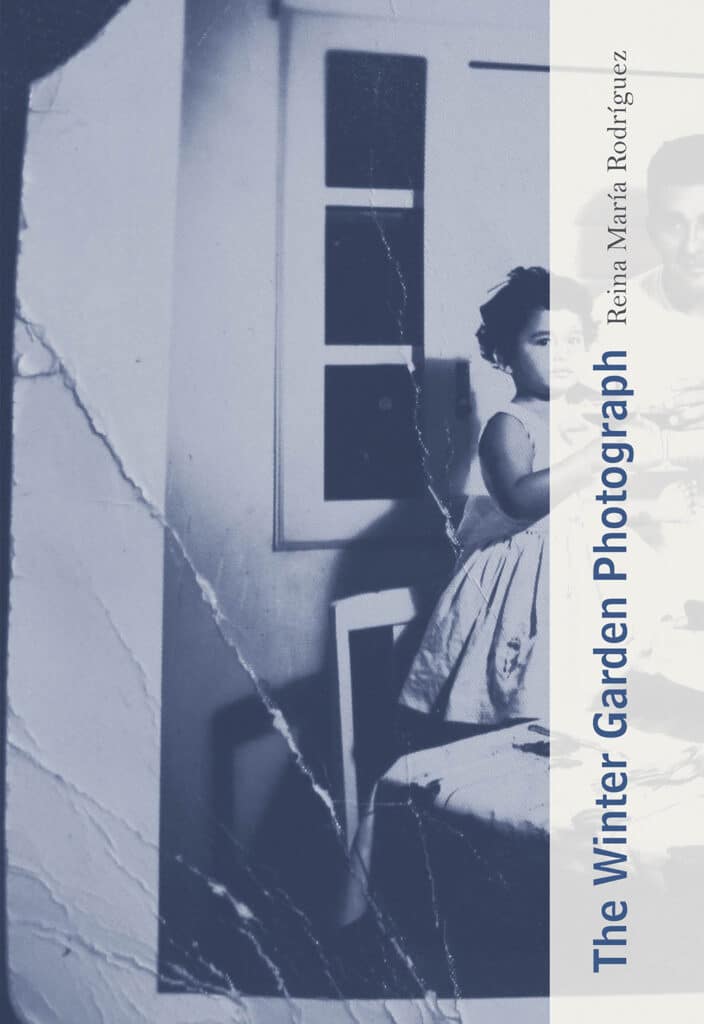
A meditation on the power and limitations of images, The Winter Garden Photograph began as an homage to a magazine, The Courier, published by UNESCO. Reina María Rodríguez used the magazine’s photographs of faraway places to spark an investigation of the mental landscapes comprising her own, contemporary Havana. I think through / the breath in you; I think through / the blood in you: precisely in striving to inhabit other worlds, she pursues the self. With the original Cuban edition of this book, Rodríguez won her second Casa de las Américas Prize for Poetry.

Lojman tells, on its surface, the domestic tale of a Kurdish family living in a small village on a desolate plateau at the foot of the snow-capped mountains of Turkey’s Van province. Virtually every aspect of the family’s life is dictated by the government, from their exile to the country’s remote, easternmost region to their sequestration in the grim “teacher’s lodging”–or lojman–to which they’re assigned. When Selma’s husband walks out one day, he leaves in his wake a storm of resentment between his young children and a mother reluctant to parent them.
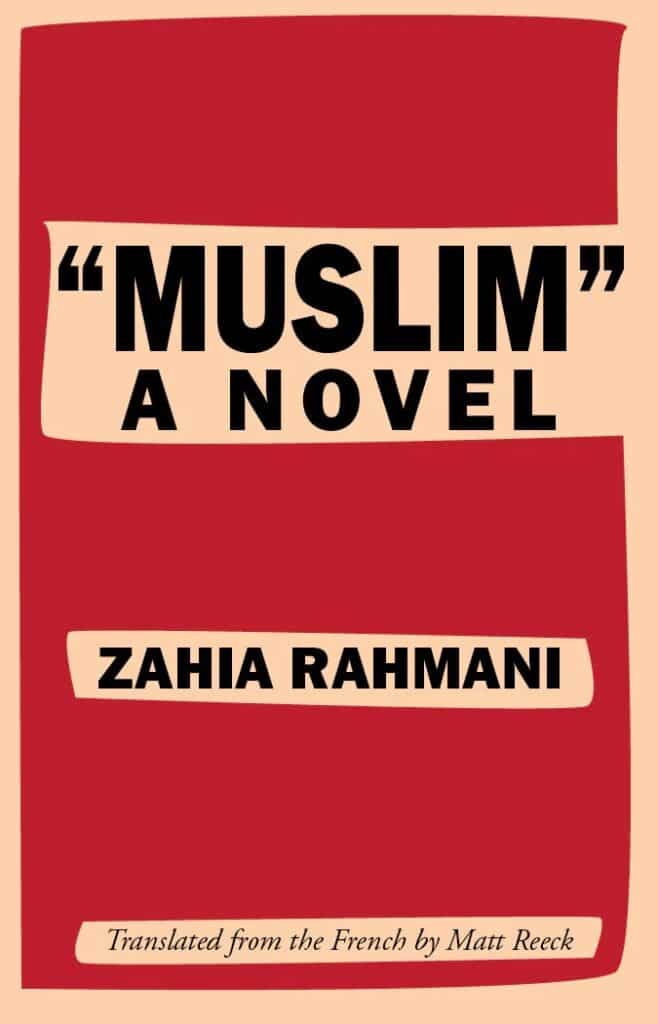
In this novel, the second in a trilogy, Rahmani’s narrator contemplates the loss of her native language and her imprisonment and exile for being Muslim, woven together in an exploration of the political and personal relationship of language within the fraught history of Islam. Drawing inspiration from the oral histories of her native Berber language, the Koran, and French children’s tales, Rahmani combines fiction and lyric essay in to tell an important story, both powerful and visionary, of identity, persecution, and violence.
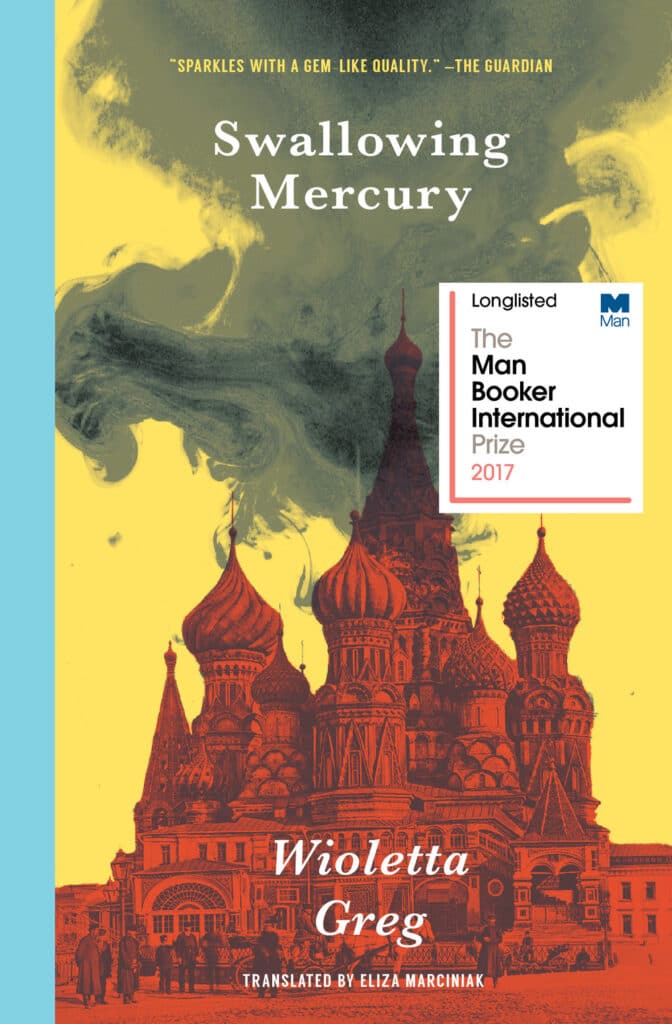
In this celebrated debut from prize-winning poet Wioletta Greg, Wiola looks back on her youth in a close-knit, agricultural community in 1980s Poland. Her memories are precise, intense, distinctive, sensual: a playfulness and whimsy rise up in the gossip of the village women, rumored visits from the Pope, and the locked room in the dressmaker’s house, while political unrest and predatory men cast shadows across this bright portrait. In prose that sparkles with a poet’s touch, Wioletta Greg’s debut animates the strange wonders of growing up.

Patrik, who sometimes calls himself “the patient,” is a literary researcher living in present-day Berlin. The city is just coming back to life after lockdown, and his beloved opera houses are open again, but Patrik cannot leave the house and hardly manages to get out of bed. He is supposed to give a paper at a conference in Paris, on the poetry collection Threadsuns by Paul Celan, but he can’t manage to get past the first question on the registration form: “What is your nationality?” Then at a café (or in the memory of being at a café?), he meets a mysterious stranger. The man’s name is Leo-Eric Fu, and somehow he already knows Patrik…

Working at the local processing plant, Marcos is in the business of slaughtering humans—though no one calls them that anymore. Eating human meat—“special meat”—is legal. Then one day he’s given a gift: a live specimen of the finest quality. Though he’s aware that any form of personal contact is forbidden on pain of death, little by little he starts to treat her like a human being. And soon, he becomes tortured by what has been lost—and what might still be saved.
You Might Also Like