Summer 2026 Lit-in-Translation Reading List
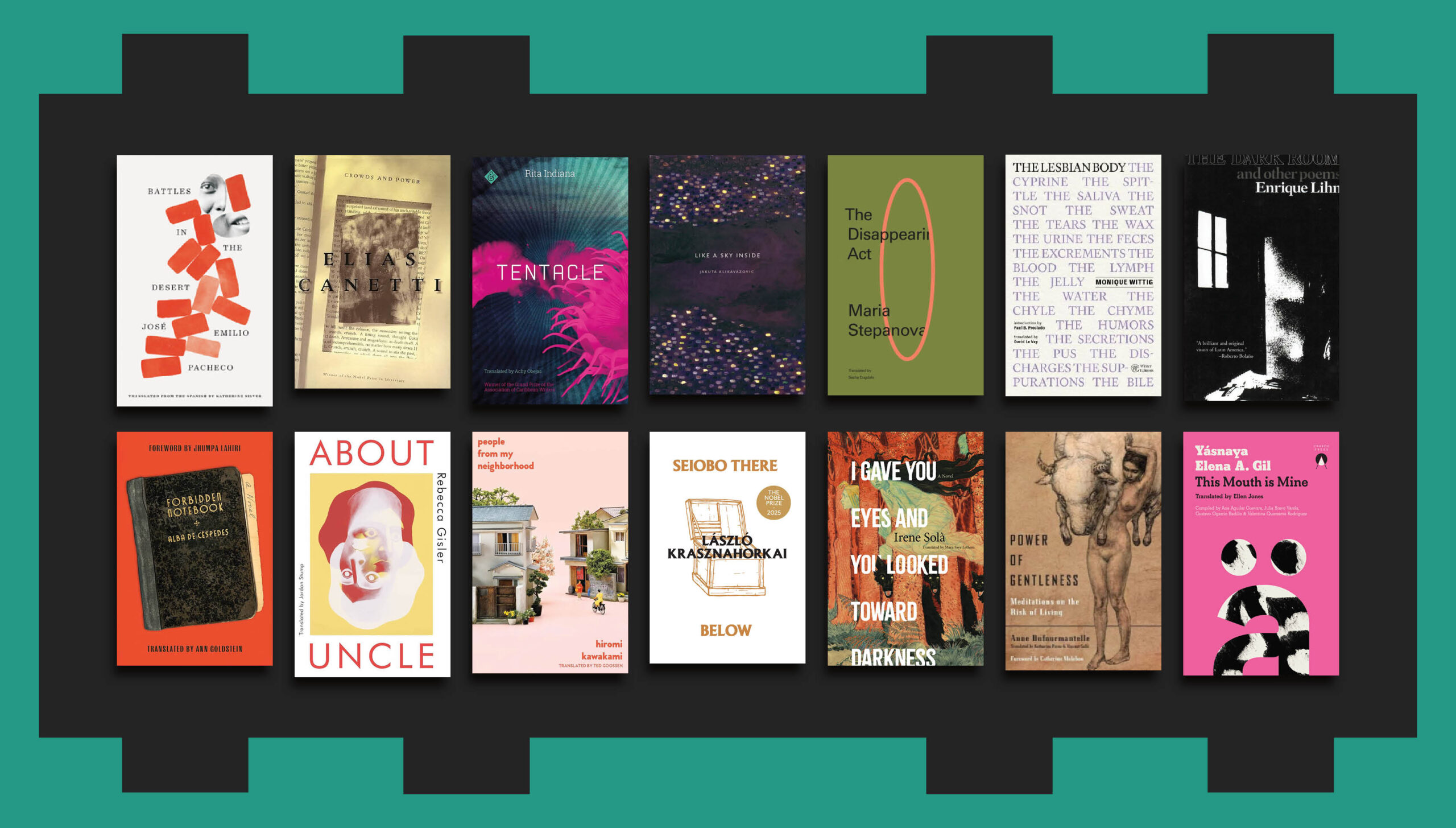
Summer is almost upon us, and there’s nothing better than a good book to take with you wherever you’re headed. For your summer reading list, our Bay Area indie bookseller friends at Niebla, East Bay Booksellers, and Point Reyes Books shared titles that will transport you to new places and stay with you long after the last page.
Recommendations by the Niebla team:
Niebla is a Latino-owned independent bookstore focused on literature from Latin America opening Summer 2026 in San Francisco. Their catalog brings together books in Spanish, English translation, Indigenous languages, and a growing selection of Portuguese-language titles.
I Gave You Eyes and You Looked toward Darkness(opens in a new tab) by Irene Solà, translated from Catalan by Mara Faye Lethem (Graywolf Press)
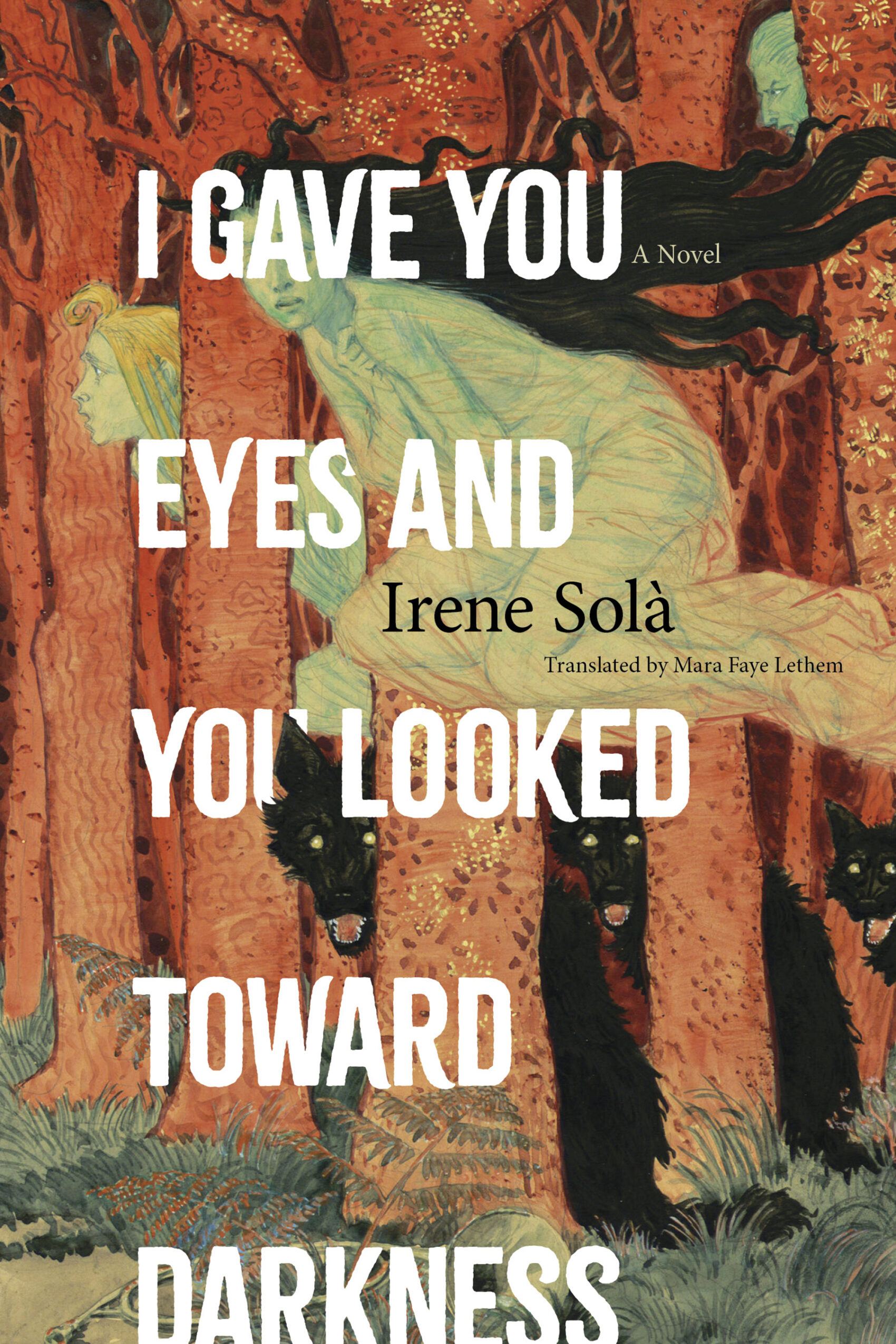
Irene Solà’s I Gave You Eyes and You Looked toward Darkness is built around a deceptively simple premise: a single day in the farmhouse of Mas Clavell in the remote mountains of Catalonia, where a clan of dead women prepares a feast to welcome Bernadeta, a relative on the verge of joining them in death. But above this, Solà dissolves the boundaries between past and present, overlapping voices, and spaces where living and the dead coexist; at the novel’s center is a pact with the devil, the consequences of which ripple through generations. Part of what makes the novel so compelling is that this devil does not belong to the theological tradition of Satan based on temptation and damnation. Drawing on Catalan folklore, he is closer to a trickster: ridiculous, fallible, and surprisingly easy to outwit. As Solà has noted, in many folk tales God is portrayed as indifferent or unwilling to help—leading people to turn to the devil, who is always listening.
The novel’s English translation comes with its complexities intact. Lethem captures Solà’s shifting textures with confidence, moving seamlessly among oral storytelling, humor, and moments of startling lyricism.
Like the feast prepared by its women, I Gave You Eyes and You Looked toward Darkness is generous, abundant, and made with extraordinary care. Few contemporary novels feel so rooted in a particular territory while remaining so expansive in their vision of memory, inheritance, and myth.
This Mouth is Mine(opens in a new tab) by Yásnaya Elena Aguilar Gil, translated from Spanish by Ellen Jones (Charco Press)
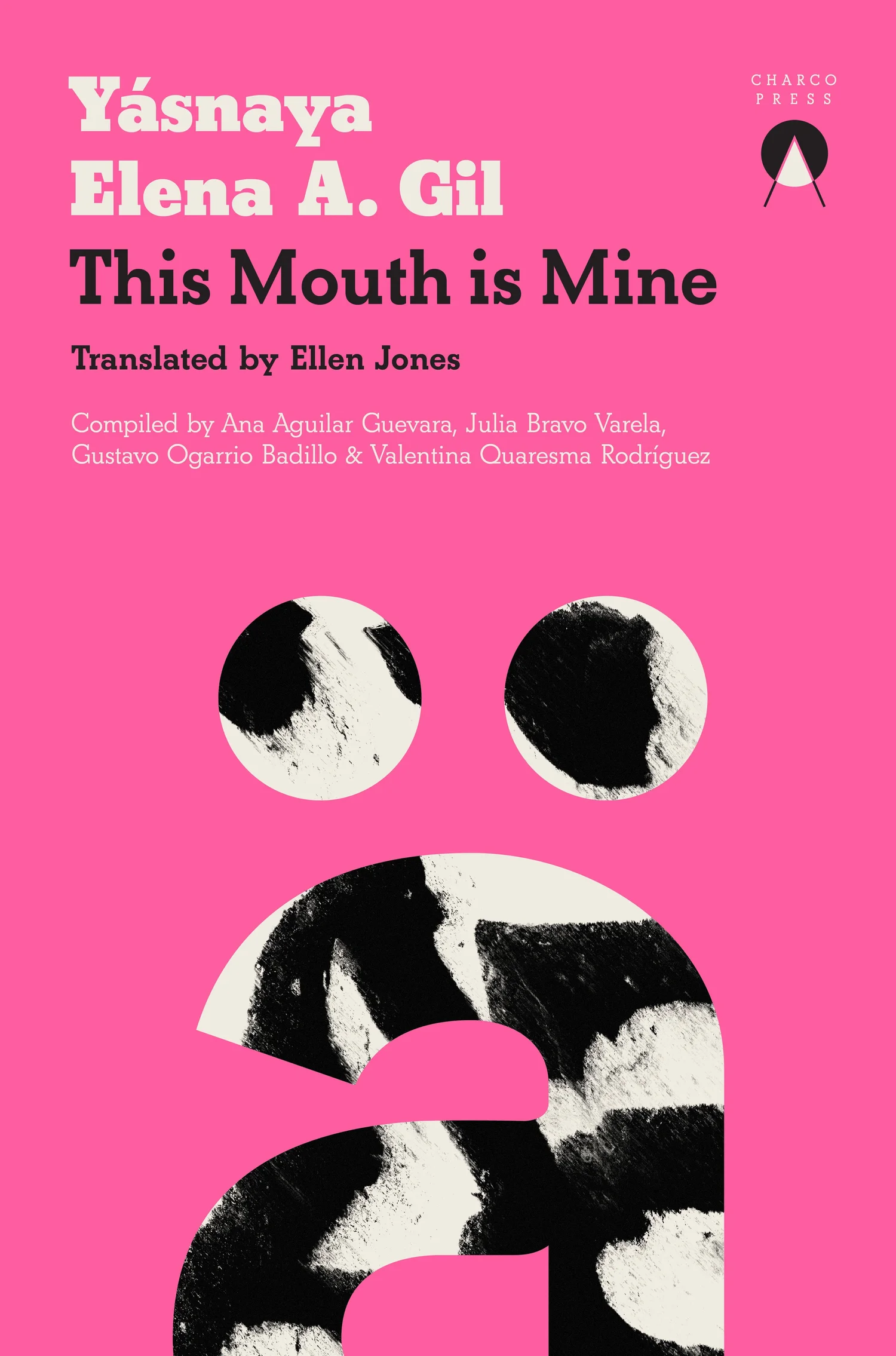
This book is a collection of essays written by Yásnaya Elena Aguilar Gil over the course of a decade. Drawing on her experience as a native speaker of the indigenous language Mixe, with Spanish as her second language, and informed by her training as a linguist, the compilation examines the forces behind the disappearance of indigenous languages in Mexico, and the urgent case for their revitalization.
By bringing together texts of such varied nature—most of them blog posts, but also speeches, tweets, and Facebook updates—the editors offer a multifaceted portrait of the author.
This collection is an excellent starting point for understanding the political resistance of these communities, and for becoming aware of the full scope of linguistic diversity. Because the disappearance of these languages is not only a loss for their speakers: it also diminishes the cultural wealth we all share, whether we speak the languages or not.
Tentacle(opens in a new tab) by Rita Indiana, translated from Spanish by Achy Obejas (And Other Stories)
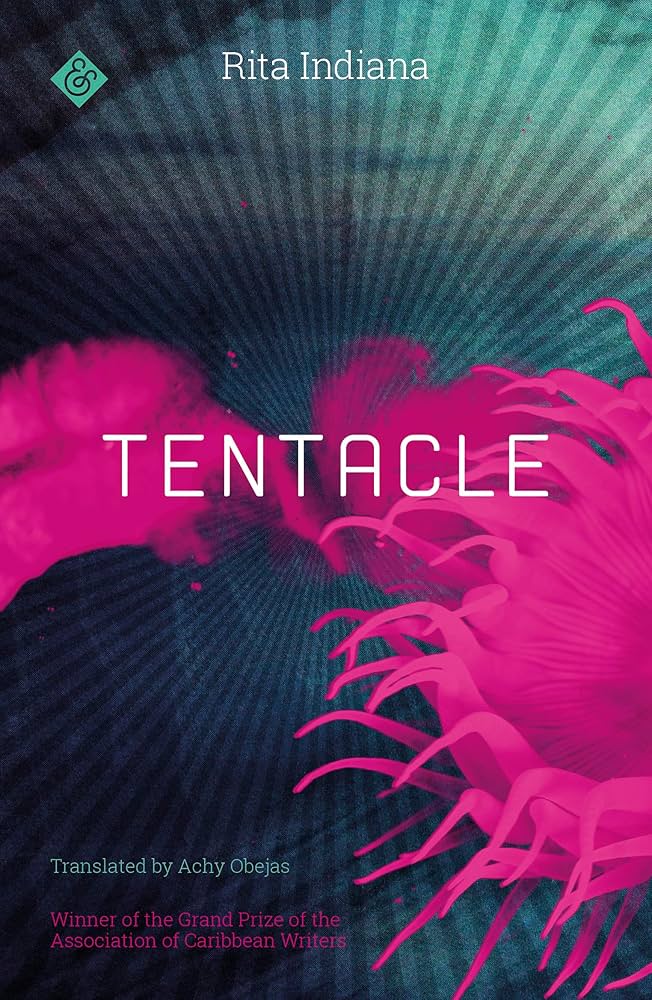
Rita Indiana’s fourth novel, originally published in Spanish by Periférica, is an intricate sci-fi story set in the Caribbean. While it could be considered a novella, with only 130 pages, the complex narrative invites a careful reading.
Set in the near future, Tentacle begins with two stories that initially seem unrelated but rapidly evolve into four interlocking timelines. With exceptional use of language and imagery, Indiana, through the characters’ moral compasses, allows us to question how we participate in the climate crisis, what it means to use religion as an existential response, what the function of art is, and how far we are willing to go to protect our own truths. This is the kind of novel that lingers and leaves you pondering philosophical questions days after you’ve turned the final page.
Battles in the Desert(opens in a new tab) by José Emilio Pacheco, translated from Spanish by Katherine Silver (New Directions)
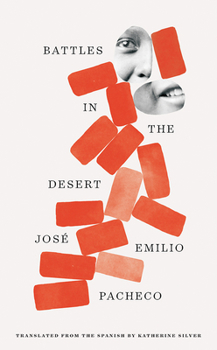
First published in a Mexican newspaper in 1980, José Emilio Pacheco’s novella has the force of a prophecy. Set during the postwar years in the Colonia Roma—now one of the most visited neighborhoods in Mexico City—Battles in the Desert follows Carlos, a man who looks back on a single incident from his primary school years: his declaration of love to Mariana.
Pacheco layers details to devastating effect. In a particularly memorable passage, he writes, “They demolished the school, they demolished Mariana’s building, they demolished my house, they demolished the Colonia Roma. That city ended. That country is finished. There’s no memory of the Mexico of those years.”
The elegy for a single city becomes a universal reminder of our own realities—how the countries we inhabit are changing before our eyes.
For those dreaming about Mexico City, whether with longing to return or with the desire to visit for the first time, this novel is an essential companion: a journey through the same emblematic avenues, crosswalks, and plazas, but rendered in their mid-century incarnation. To reread this classic is not only worthwhile; it is also vital to understanding the complex challenges the city faces in the present day.
The Dark Room and Other Poems(opens in a new tab) by Enrique Lihn, translated from Spanish, selected and edited by Particio Lerzundi, with translations by Jonathan Cohen, John Felstiner, and David Unger (New Directions)
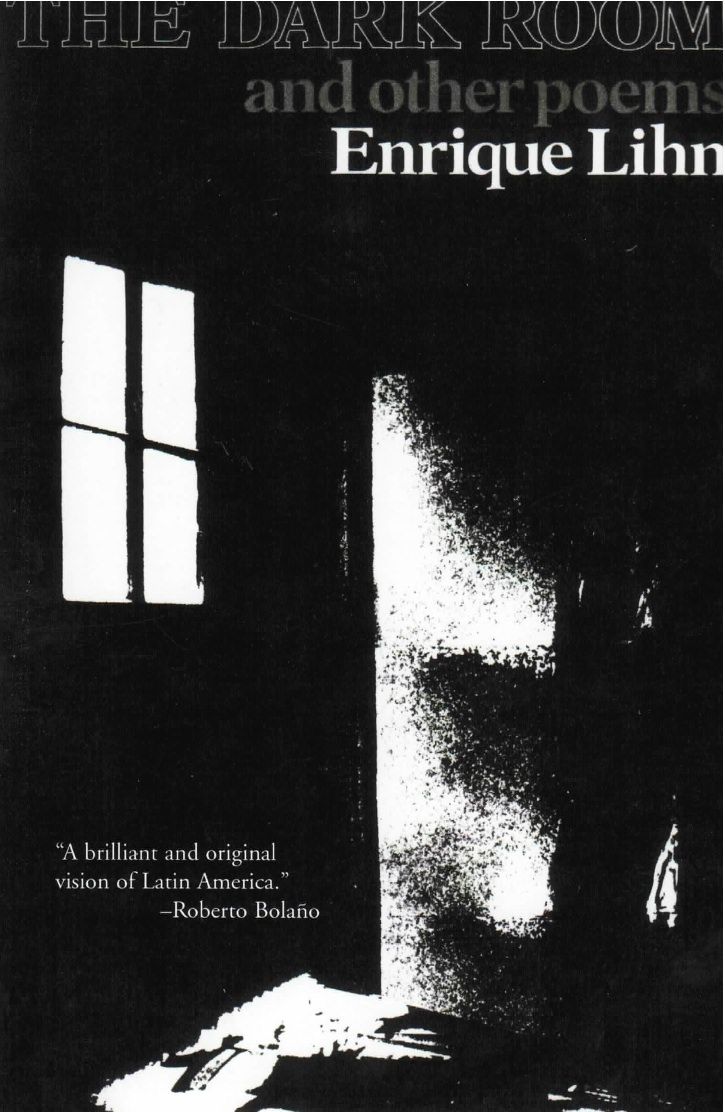
First published by New Directions in 1978, this collection is a radiant introduction to the work of Chilean poet Enrique Lihn. A writer, literary critic, and cartoonist, Lihn spent his life defending the concept of poesía situada: poetry that confronts the specific geographic and social contexts the poet or reader inhabits, as opposed to objective realism or meta-literature. His poetry rejects abstract and universal language in favor of the body and its territory, collective historical memory, and everyday life. Lihn continued to write until the very end, dying of cancer at 58.
We can feel for each other,
and that’s more than enough: that’s all, and it’s hard
to bring our stories closer together
trimming off from the excess we are,
to get our minds off the impossible and on the things
…….we have in common
—From “Epilogue”
Recommendations by Brad Johnson, owner of East Bay Booksellers:
East Bay Booksellers has an expansive idea of what it means to be a “neighborhood bookstore.” A longtime fixture in Oakland, CA (formerly as DIESEL, a Bookstore), our aim is to tangibly support an increasingly fragile ecology of creative and curiosity—with an eye particularly at the frayed edges, the marginalized, the silenced, the targets of myriad violence. This is a commitment not simply to an abstract ideal, but also to the kind of actual society in which we want to live.
The Lesbian Body(opens in a new tab) by Monique Wittig, translated from French by Dave La Vey (Winter Editions)
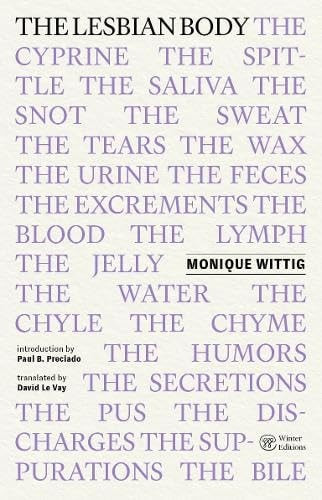
Wittig’s genre-defying work is a classic of queer writing. Decades after its original publication, it is still exploding linguistic and narrative boundaries. Great literature somehow expands the whole world, one reader at a time, and Wittig’s book does precisely that.
Like a Sky Inside(opens in a new tab) by Jakuta Alikavazovic, translated from French by Daniel Levin Becker (Fern Books)
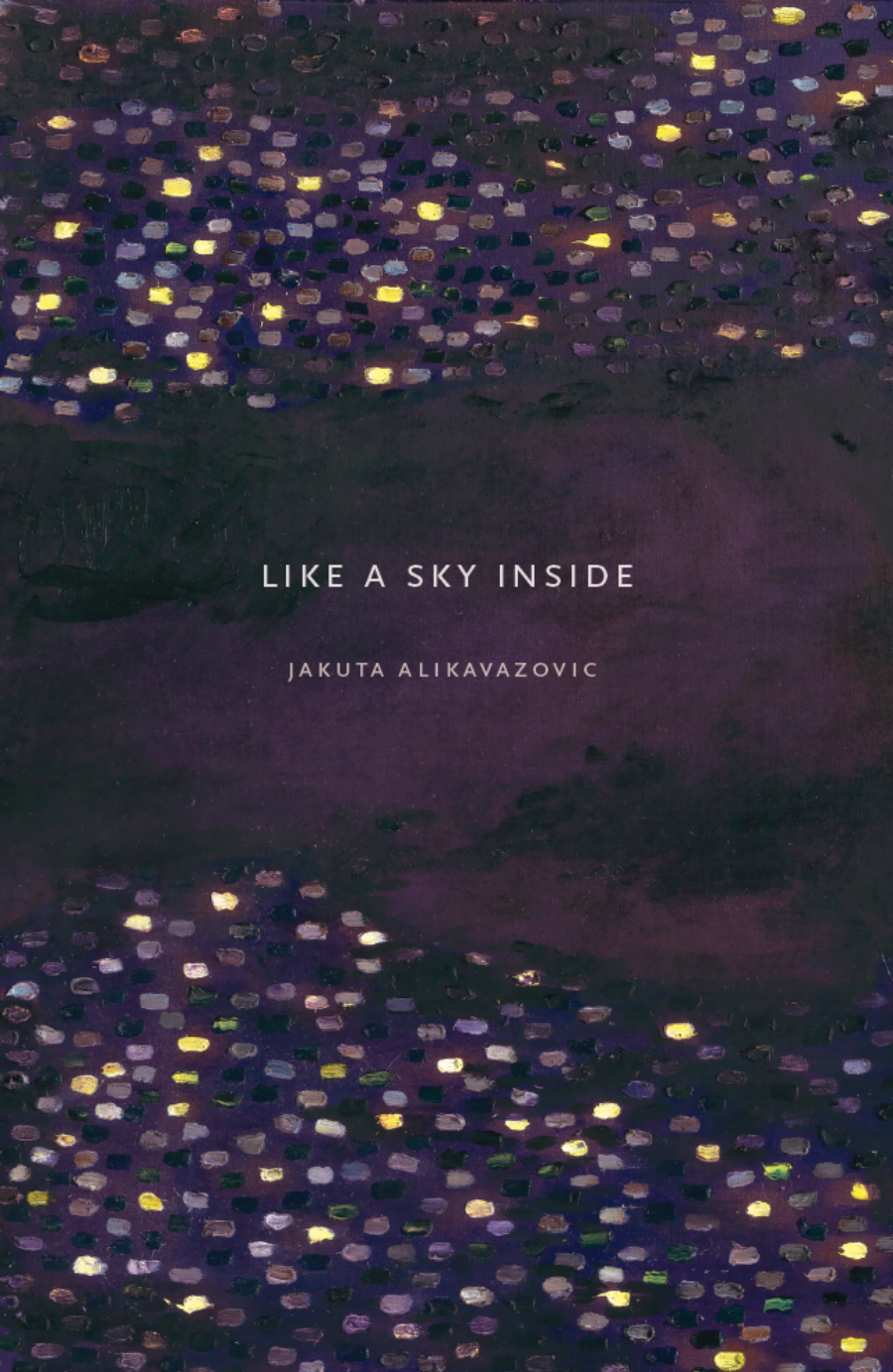
Quiet, with so much churning between the lines and words. Short, but containing the sort of mysteries that are markers of life. I began this over a cocktail, and finished it by my third. Wobbly by the end, but I couldn’t stop.
Power of Gentleness(opens in a new tab) by Anne Dufourmantelle, translated from French by Katherine Payne & Vincent Sallé (Fordham University Press)
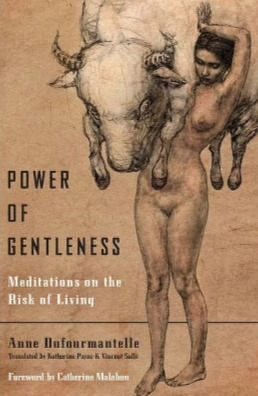
One of the most truly special books I’ve read in recent memory. It has become one of the defining books at East Bay Booksellers, as one of our top-selling books for at least three years. Dense, but excruciatingly good. You will sit with this book for weeks after you’ve actually finished reading it.
Crowds and Power(opens in a new tab) by Elias Canetti, translated from German by Carol Stewart (FSG)
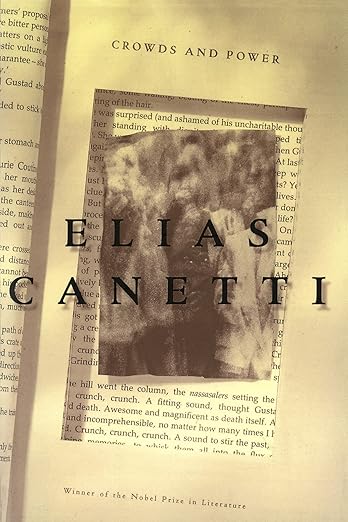
I don’t read Canetti necessarily to agree with his analyses, which often strain under their own weight. But what a weight indeed! There are portions of Crowds and Power that read like the world encapsulated in two paragraphs, and it is never not terrifying.
Seiobo There Below(opens in a new tab) by László Krasznahorkai, translated from Hungarian by Ottilie Mulzet (New Directions)

As close to a “holy book” as I’d permit myself access. Beauty and ugliness are not in conflict here so much as two sides of the same coin, and Krasznahorkai presents this duality without a hint of cynicism. Not his easiest book, but this is my favorite of the Nobel laureate’s current work.
Recommendations by Samantha Kimmey, manager at Point Reyes Books:
Point Reyes Books is an independent bookstore in the Bay Area. Just minutes from the Point Reyes National Seashore, it offers a broad selection of titles, with a special focus on nature and environmental writing, poetry, and literary fiction.
The Disappearing Act(opens in a new tab) by Maria Stepanova, translated from Russian by Sasha Dugdale (New Directions)
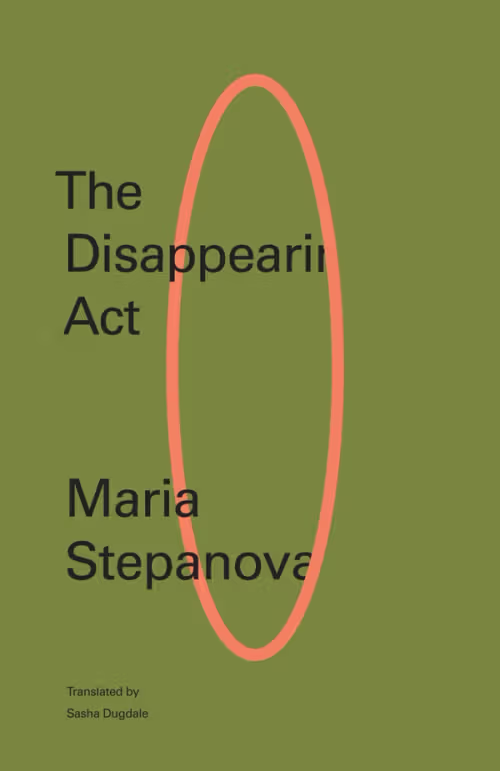
It might sound strange to say, but this slim, dreamy tale of a journey gone awry made me (sort of) hope that my next trip takes a few wrong turns. Of course, the life of M, a writer in exile who wrestles with the shame of coming from a beastly country, is a far cry from my own. But if you find yourself frustrated or trapped at times by identities foisted upon you, The Disappearing Act, with a light touch and knowing, ironic edge, feels like an escape hatch. When M’s attempt to reach a conference is thwarted, she ends up in the coastal town of F, where she knows no one; her phone quickly dies, and of course she’s lost her charger. “For the first time in she didn’t know how long,” M forgets “where she was from and why it was important.” After that, it’s not long before she comes across a circus looking for a new performer—of course, for a trick involving a sarcophagus and being cut in half.
About Uncle(opens in a new tab) by Rebecca Gisler, translated from French by Jordan Stump (Two Lines Press)
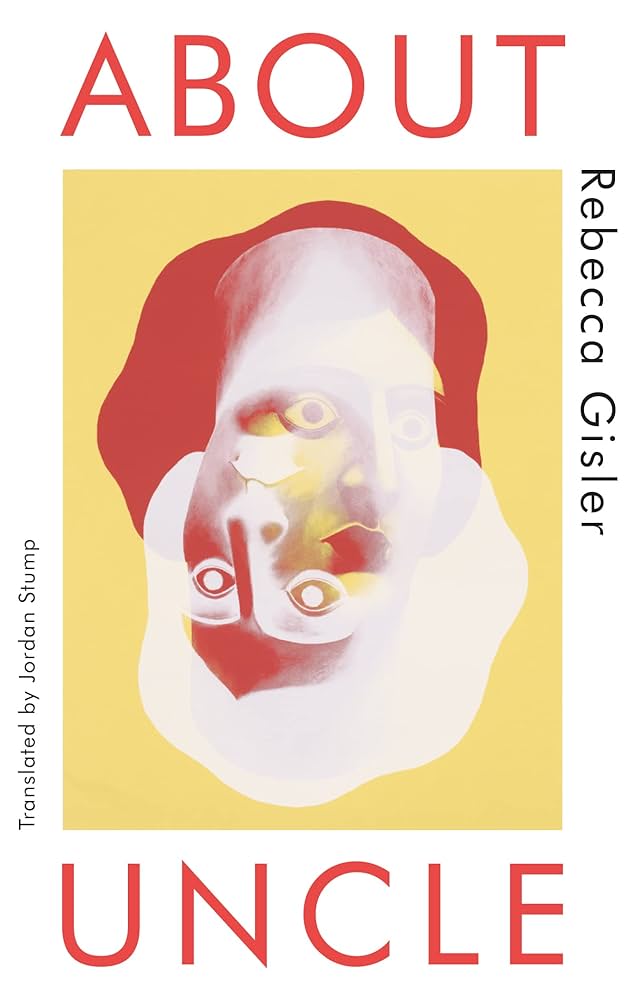
At some point this summer, you may be temporarily co-habitating or spending an inordinate amount of time with relatives you don’t actually know very well. About Uncle, a playful, pocket-sized novel by the Swiss writer Rebecca Gisler, is a character portrait of sorts, brought about when the narrator is forced to live with her brother and uncle, and it’s basically the perfect companion if you finding yourself needing illumination, commiseration, or escape. Uncle sets noise traps for moles that have the narrator wondering if she herself is a mole; Uncle watches the television even though it doesn’t work anymore, staring for hours at static; Uncle somehow disappears into the septic system. Gisler’s writing has a propulsive, unraveling quality that probes how we come to know our loved ones.
Forbidden Notebook(opens in a new tab) by Alba de Cespedes, translated from Italian by Ann Goldstein (Astra House)
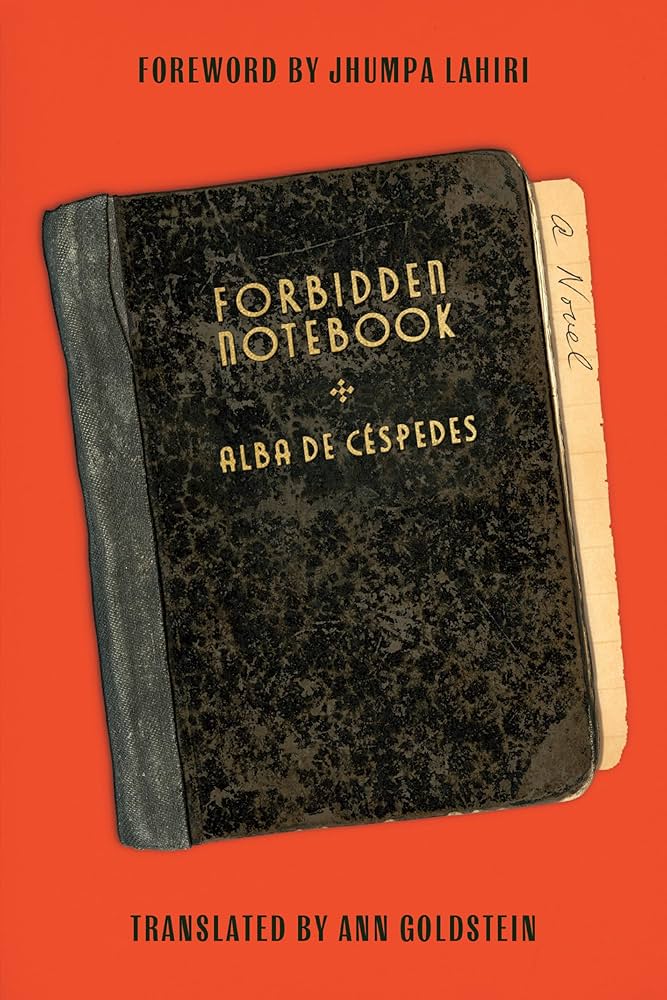
There’s something about the glare of the summer sun that makes me want to hide sometimes. Perhaps that’s why Forbidden Notebook—the story of a woman’s impulsive desire for a notebook, which sets off an increasingly moving and profound inner excavation—comes to mind as the days get longer and longer. Valeria Cossati, who tells no one of her notebook and constantly hides it around the house, documents not just strained familial relationships and her fallen class status, but also the exhilarating yet painful, anxious pursuit of inner knowledge, inching closer and closer to the question at the heart of writing, of self-reflection: Is it a path to enlightenment—or is it true that “the better I know myself, the more lost I become”?
People in My Neighborhood(opens in a new tab) by Hiromi Kawakami, translated from Japanese by Ted Goossen (Soft Skull)
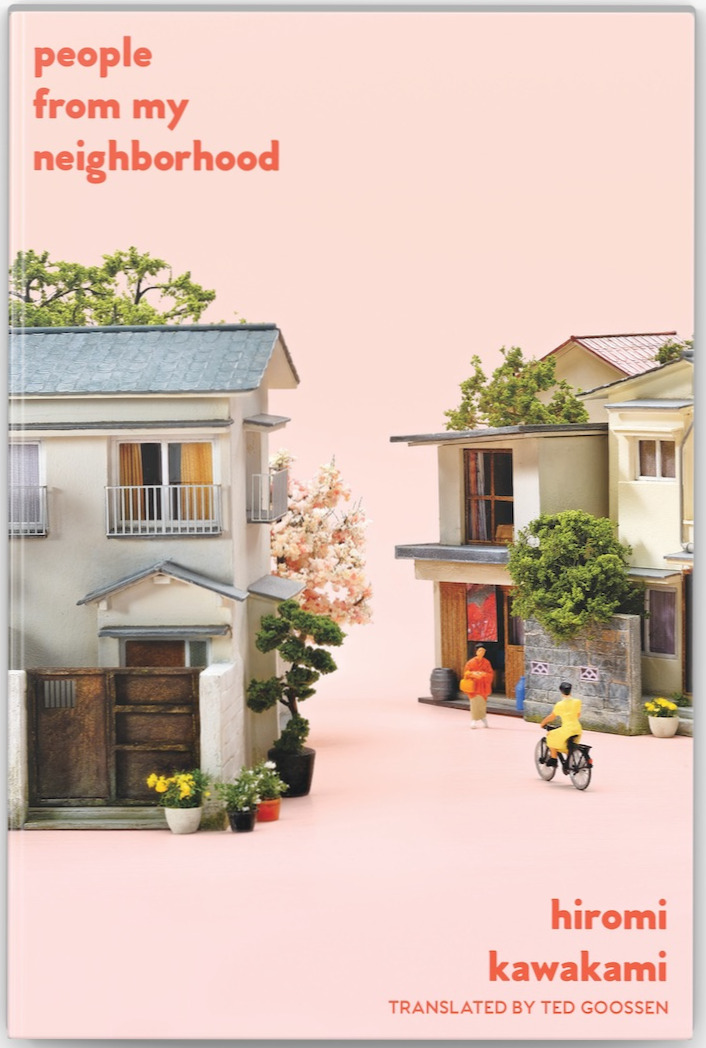
At the end of the first story in People in My Neighborhood, a woman asks an apparently non-human child (he hasn’t aged in thirty years), whom she found living under a tree, why he followed her home thirty years ago. “It’s a secret,” he finally says, and that impish resistance to straightforward answers sets the tone for the rest of the book about a rather strange neighborhood. Told from a childlike vantage point, there’s a plainspoken quality to these thirty-six connected vignettes that belies the curious magical spell they quickly cast over you. An old man has two shadows, one of which sometimes attaches itself to other people. There is an epidemic of pigeonitis, which causes people to sound and act like pigeons. A lottery determines which local family a certain difficult child will live with for the next few months. Strange, charming, enigmatic, and funny, these stories might make you think a bit more about the lives of those who live near you.
Niebla will open their first brick-and-mortar space in San Francisco’s Tenderloin/Civic Center neighborhood in late July 2026. Find them on Instagram: @niebla.sf(opens in a new tab). We are super excited to join the city’s rich literary community and to contribute, in our own way, to the many ongoing efforts that support Spanish-language literature and cultural exchange. —Niebla team
Brad Johnson is an owner of East Bay Booksellers in Oakland, CA. He has been a juror on a number of small-press juries for various prizes, including the National Book Award for Translated Literature.
Samantha Kimmey is the manager of Point Reyes Books in Point Reyes Station, CA, and the author of the novel The Extremities(opens in a new tab)!