Fall 2026 Lit in Translation Preview
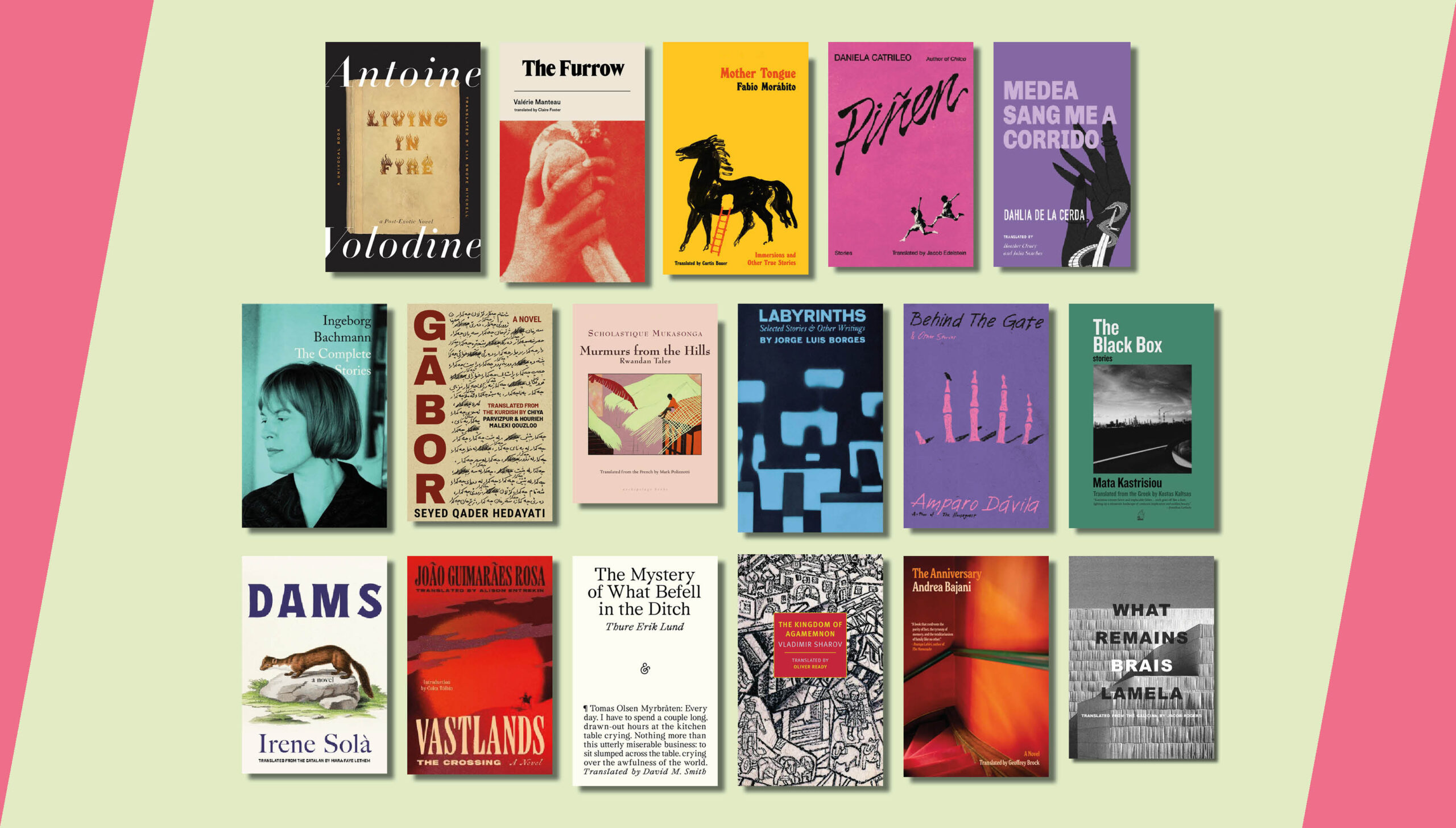
From a Norwegian novel exploring language and isolation to a stunning new translation of a Brazilian masterpiece, our Fall 2026 Lit in Translation Preview is packed with unmissable titles recommended by indie booksellers Emily Tarr from Thank You Books in Birmingham, AL; Beatriz Quiroz García from Skylight Books in Los Angeles, CA; and Stephen Krause from Alienated Majesty Books in Austin, TX. We hope you find some new favorites this fall.
Recommendations by Emily Tarr, marketing and merchandising at Thank You Books in Birmingham, AL:
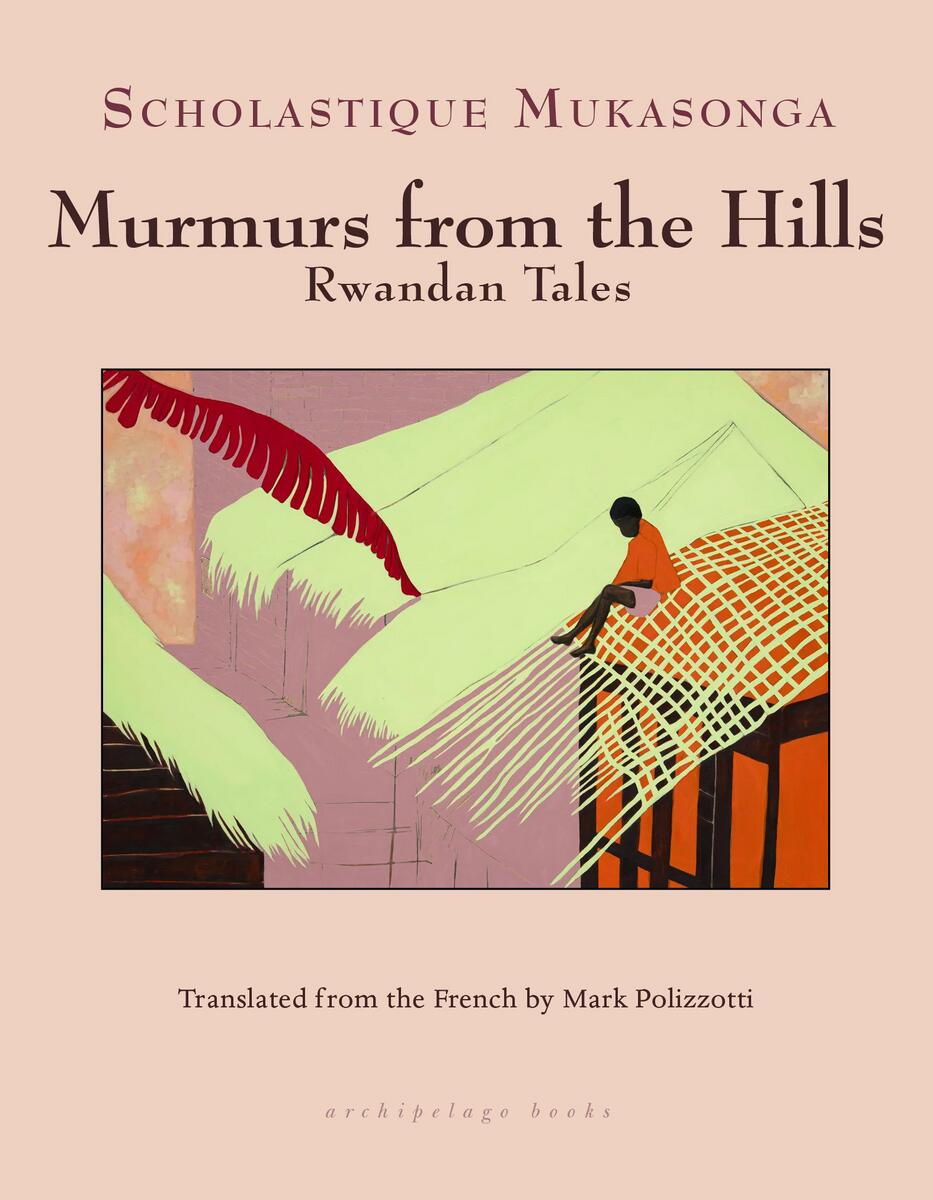
Murmurs from the Hills: Rwandan Tales(opens in a new tab) by Scholastique Mukasonga, translated from the French by Mark Polizzotti | Archipelago Books | Pub date: November 10, 2026
Murmurs from the Hills reads like a love letter from Scholastique Mukasonga to herself, to her writing, her history, and all the places and people that made her. Sister Deborah(opens in a new tab) was the first of Mukasonga’s books I read, after years of being recommended her work. The only thing I knew about her novels was that they (as the jacket copy for Murmurs from the Hills begins) “traced the specters of the Rwandan genocide.” They certainly do, but Sister Deborah, and even more so this spectacular new collection of stories, is also outstandingly hopeful, curious, and mystically funny. These are stories of girlhood, legend, situationships, nature, family, books, commitment: the patchwork quilt of your life, stitched together from sorrow and satisfaction.
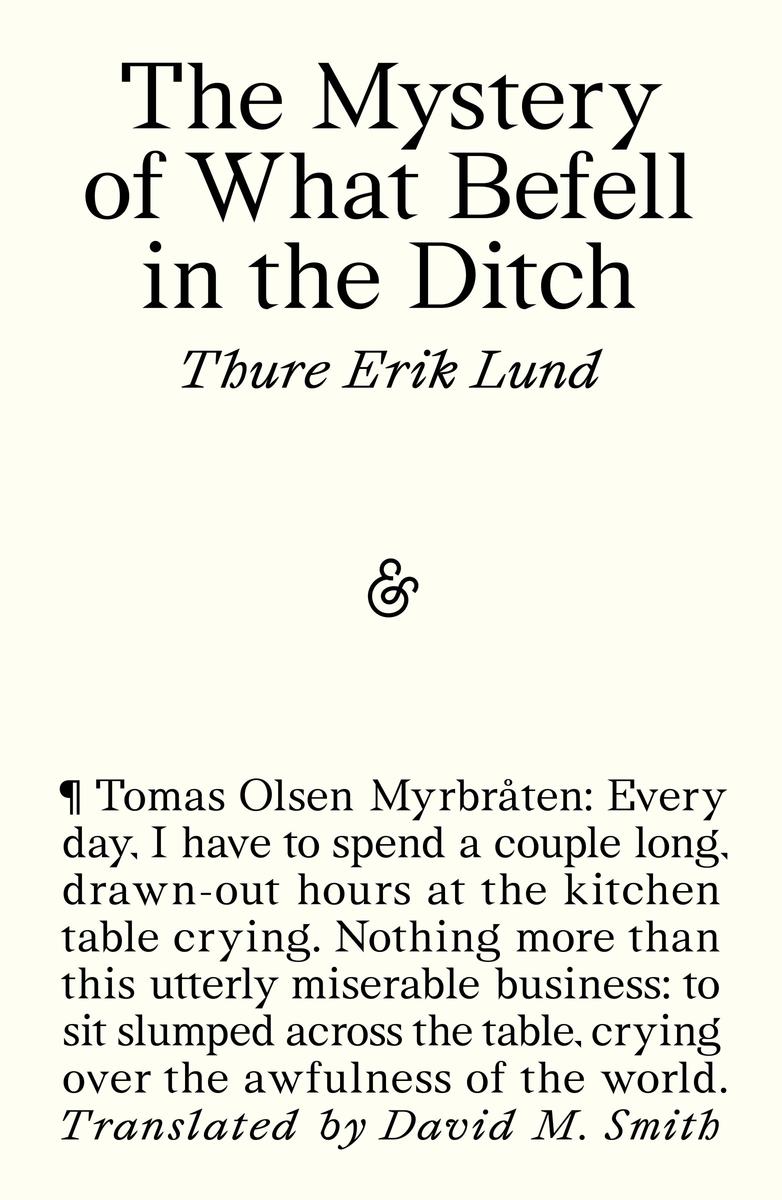
The Mystery of What Befell in the Ditch (opens in a new tab)by Thure Erik Lund, translated from the Norwegian by David M. Smith | And Other Stories | Pub date: October 20, 2026
“Lemme screenshot this,” I DMed my buddy James Webster, co-owner of Recluse Books in Fort Worth, TX, in response to a snapshot of this book on his Instagram story. His review: “Astonishing and strange.” Thanks to the early Victor Gollancz–style cover that’s And Other Stories’s signature format, I could see that James’s Twin Peaksian report was, of course, right on the nose. The first line reads, “Every day, I have to spend a couple long, drawn-out hours at the kitchen table crying.” Sold! I downloaded the DRC and, trust, the astonishment and the strangeness only multiply beyond any comparison. The Mystery of What Befell in the Ditch is Lund’s fourth novel (1999), his first translated and published in English, and the first in a series of four books that I may have to email David M. Smith with my most heartfelt sentiments to please, please, please continue translating. For now, I feel so lucky to read his translation of a book so mind-bendingly brilliant, real, and utterly lonely, that I too spent some time crying at the kitchen table.
Mother Tongue(opens in a new tab) by Fabio Morábito, translated from the Spanish by Curtis Bauer | Other Press | Pub date: October 6, 2026
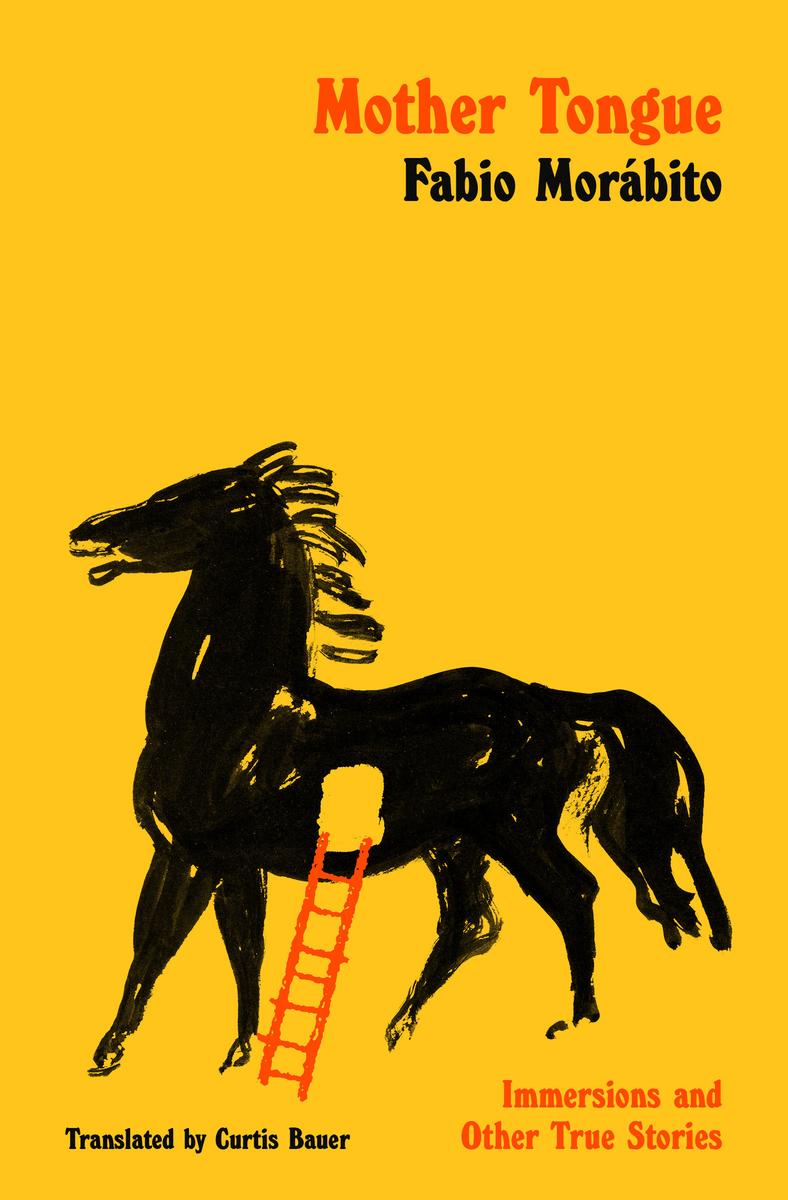
Fabio Morábito is a magnificent, singular genius. The Shadow of the Mammoth(opens in a new tab) was one of my favorite books of 2025, and Mother Tongue is one of my favorite books of 2026. Morábito was born in Egypt; his parents are Italian, and he was raised in Milan until the age of 15. His family then moved to Mexico City, and he has written only in Spanish ever since. The 84 page-and-a-half-long texts (short stories? essays? memoir?) in this collection paint a life lived everywhere, global inspiration and philosophies on language and relationship, how to read and what to read. Each is fabulously funny, clever, and so thought-provoking you may find yourself reading them twice, just to make sure what you read is still radiant the second time around. (Trust, it will be.)
The Anniversary(opens in a new tab) by Andrea Bajani, translated from the Italian by Geoffrey Brock | Other Press | Pub date: August 25, 2026
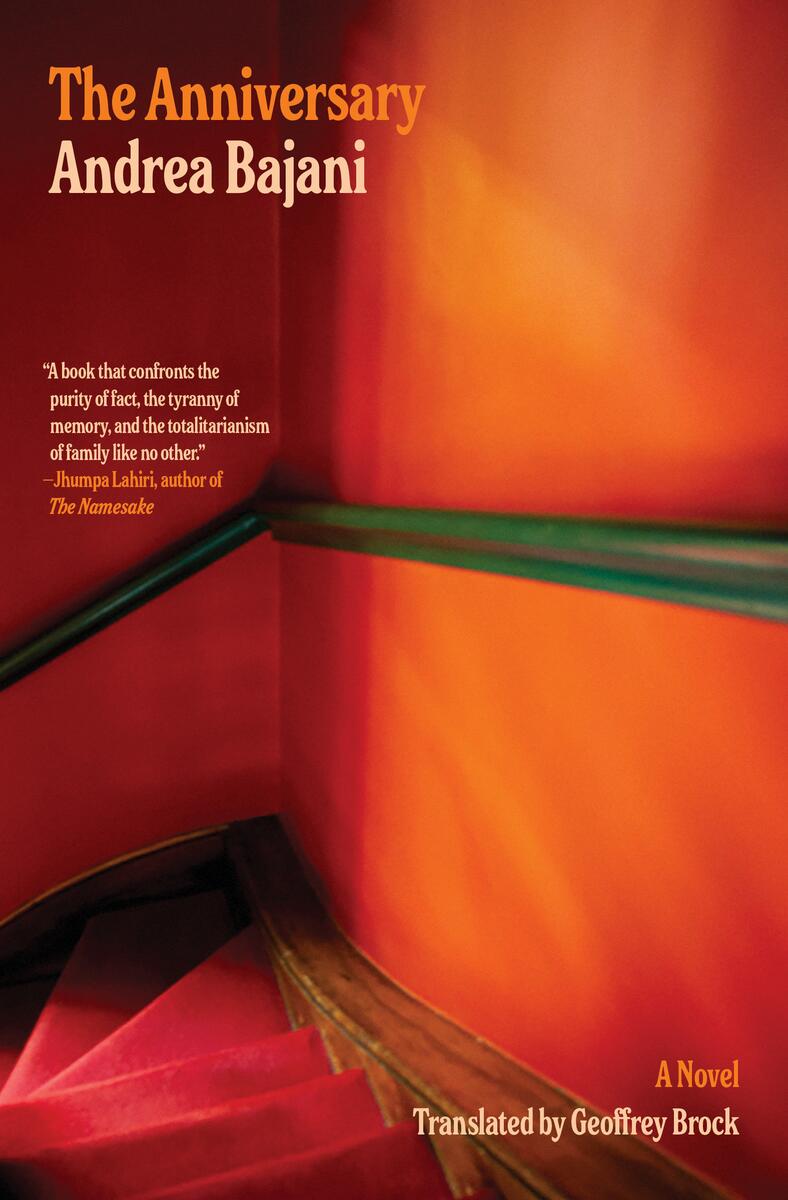
I did not breathe for the entirety of the first chapter of The Anniversary. Mercifully, it was only 3 pages, or I may not be here to tell you just how perfect and gut-wrenching this book is. There are a host of incredible blurbs listed on the Other Press site, from so many of my favorite authors (Jhumpa Lahiri, Jenny Erpenbeck, Donatella Di Pietrantonio, and more), but it was a few words from my internet-friend Rachel (@rachelsradreads on Instagram) that made me crack open the ARC immediately: “I felt a bit unwell while reading this.” No other sub-200-page book has taken my breath away (see sentence one), forced an audible “oh God” (you’ll know when you get there), or made me feel sick (extremely positive, I promise), the way The Anniversary did.
What Remains(opens in a new tab) by Brais Lamela, translated from the Galician by Jacob Rogers | Dorothy Project | Pub date: October 6, 2026

I was so embarrassingly excited to see What Remains in the Dorothy Project’s annual, dual release announcement. My friend Dylan (and fellow judge for the 2025 Cercador Prize) recommended this intimate debut novel to me last year, when it was set to be published by Lost River Press. The publication was cancelled after LRP lost their funding; according to Dorothy, “they were heartbroken on behalf of this book.” As was I! And Dylan! What a gift Danielle and Martin have given us, a second chance for a book so special, insightful, and important, a book about the depths of one’s culture and the profound, shattering effects of emigration.
The Furrow(opens in a new tab) by Valérie Manteau, translated from the French by Claire Foster | Invisible Publishing | Pub date: October 6, 2026
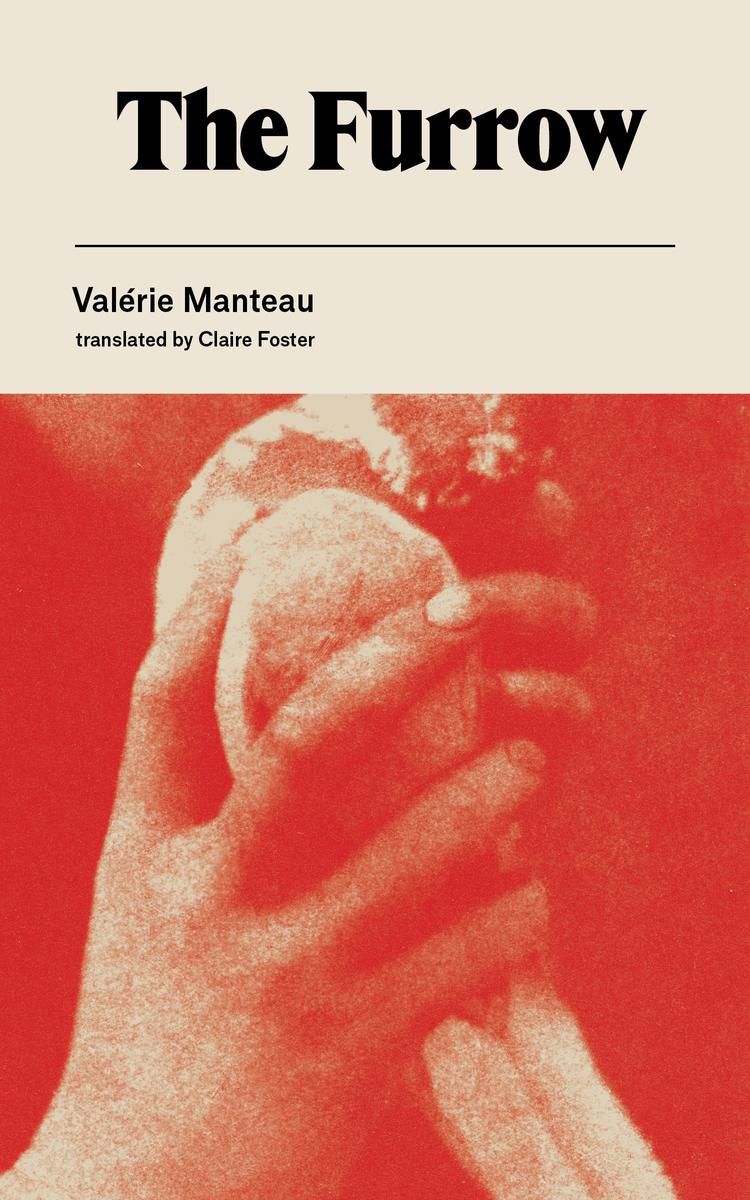
When Annie Ernaux speaks, I listen! She describes her experience reading Valérie Manteau’s The Furrow as “a turbulent, violent world that is both fraught with terror and teeming with life.” This is a description Ernaux is especially apt to understand and one I’m certain she does not assign lightly. The novel is a masterclass in narration, a story about one person (a fictional French writer) researching and investigating the story of another person (the real Turkish-Armenian journalist and activist Hrant Dink, who was assassinated in 2007). The Furrow conjures a blend of two of my favorite books: Jazmina Barrera’s The Queen of Swords(opens in a new tab) and Catherine Lacey’s Biography of X(opens in a new tab)—incredibly successful and haunting, fluttering between the narrator, the subject, and the reader, spellbindingly forthright and totally alive.
The Black Box(opens in a new tab) by Mata Kastrisiou, translated from the Greek by Kostas Kaltsas | AK Press/ARB Editions | Pub date: September 1, 2026
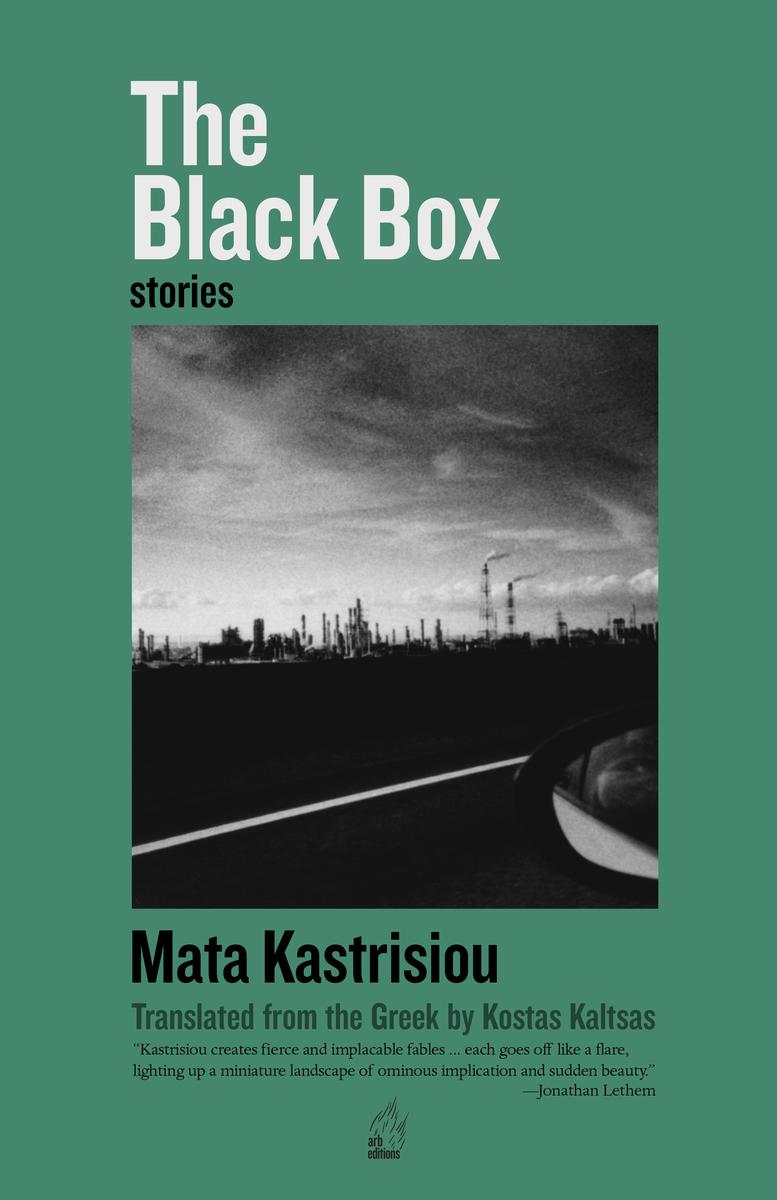
The Black Box took me by surprise. I can admit that I’d never heard of AK Press until receiving this ARC in the mail. I peeked at the ad copy: “Sure to entrance readers of Kate Folk and Edouard Louis.” Two of my favorite writers, who, until now, I’d never seen paired together in any capacity. Color me intrigued! The stories are all fantastic, well-paced, and fiercely unique from one to the next, composed carefully and deftly by Greek writer, author, and documentarian Mata Kastrisiou. I finished the first story and thought to myself immediately, “Yes, this is precisely the zaniness of Kate Folk’s Out There(opens in a new tab) blended to perfection with the tenderness of Edouard Louis’s The End of Eddy(opens in a new tab).” I hope this remarkable collection receives the attention it deserves!
Recommendations by Beatriz Quiroz García, bookseller and subscription coordinator at Skylight Books in Los Angeles, CA:
Behind the Gate(opens in a new tab) by Amparo Dávila, translated from the Spanish by Audrey Harris and Matthew Gleeson | New Directions | Pub date: October 13, 2026
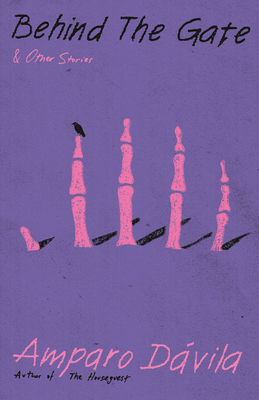
Amparo Dávila’s The Houseguest(opens in a new tab) became one of my favorite books as I made my way through the stories. By the time I was done, Dávila’s prose had devoured me, and this second collection is just as sharp and gripping. The characters in her stories are haunted by a mirror, the promise of knowledge, abandoned cathedrals at the budding of adolescences, and secret paramours maddeningly meeting at the dead of night. The narratives read like a shadow flickering at the corner of your eye, and ultimately reveal that the gothic and horrific madness lives in the everyday. All it takes is one step to slip into the abyss.
Medea Sang Me a Corrido(opens in a new tab) by Dahlia de la Cerda, translated from the Spanish by Heather Cleary and Julia Sanches | Feminist Press | Pub date: June 16, 2026
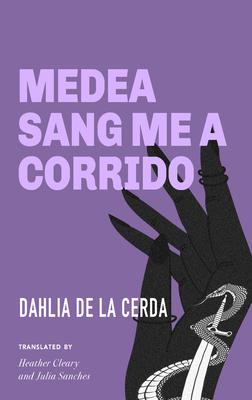
Interwoven stories of people, mostly women, seeking to not simply survive, but maintain autonomy in a fictional Aztlán that feels eerily familiar. Medea is stitched into each story as a harbinger of life, death, and all of the duality that lives between and after. Every character is deeply complex, and while on the surface they may appear fickle, scorned, vain, neglectful, dangerous, and/or selfish, each page reveals that despite our worst flaws, every person has a right to fight not only for their lives, but also to build a home where safety and love can grow. Forgiveness and redemption will never be conveniently gifted to women, and in the most hostile of places, we shall find it, regardless of the challenges and limitations placed before us; there will be cumbias, laughter, and maybe a kittychela or two.
Dams(opens in a new tab) by Irene Solà, translated from the Catalan by Mara Faye Lethem | Graywolf Press | Pub date: November 3, 2026
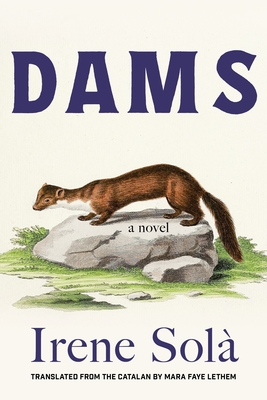
Irene Solà, the woman that you are!!! I Gave You Eyes and You Looked toward Darkness(opens in a new tab) is a novel that I read and still think about to this day. Solà’s narrative power to not simply tell a story, but to guide the reader into the descent of the world they inhabit, is quite unlike any that I have read. Her debut novel, which will be available in an English translation, continues to prove her brilliance in capturing the magic, wonder, perplexities, and absurdities in everyday life and the communities that humans inhabit.
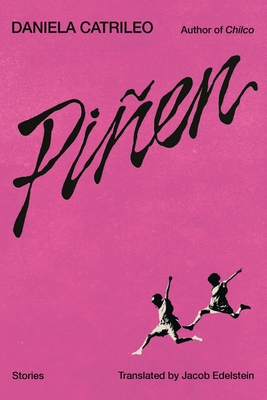
Piñen(opens in a new tab) by Daniela Catrileo, translated from the Spanish by Jacob Edelstein | FSG Originals | Pub date: August 11, 2026
Upon completing Catrileo’s novel Chilco(opens in a new tab), it felt as if my heart was torn out of my chest and eaten right before my eyes, and I was utterly grateful for the privilege of the experience. Ever since then, I have been eagerly waiting for more of her writing to be translated, and thankfully Jacob Edelstein has made this wish of mine come true. In Mapudungun, “piñen” refers to the dust or dirt that sticks to the body, which feels like a perfect title, because I have a delightful suspicion that these stories will stick to my memory like dust in a well-loved home.
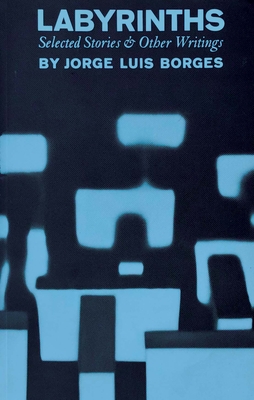
Labyrinths: Selected Stories & Other Writings(opens in a new tab) by Jorge Luis Borges, translated from the Spanish by Donald Yates and James Irby | New Directions | Pub date: November 24, 2026
Labyrinths is a classic in the Latin American literary canon, and this new clothbound edition looks as stunning, perplexing, and alluringly esoteric as the writings bound within it.
Recommendations by Stephen Krause, co-founder and book buyer at Alienated Majesty Books in Austin, TX:
Gābor(opens in a new tab) by Seyed Qader Hedayati, translated from the Kurdish by Chiya Parvizpur and Hourieh Maleki Qouzloo | Henar Press | Pub date: August 25, 2026
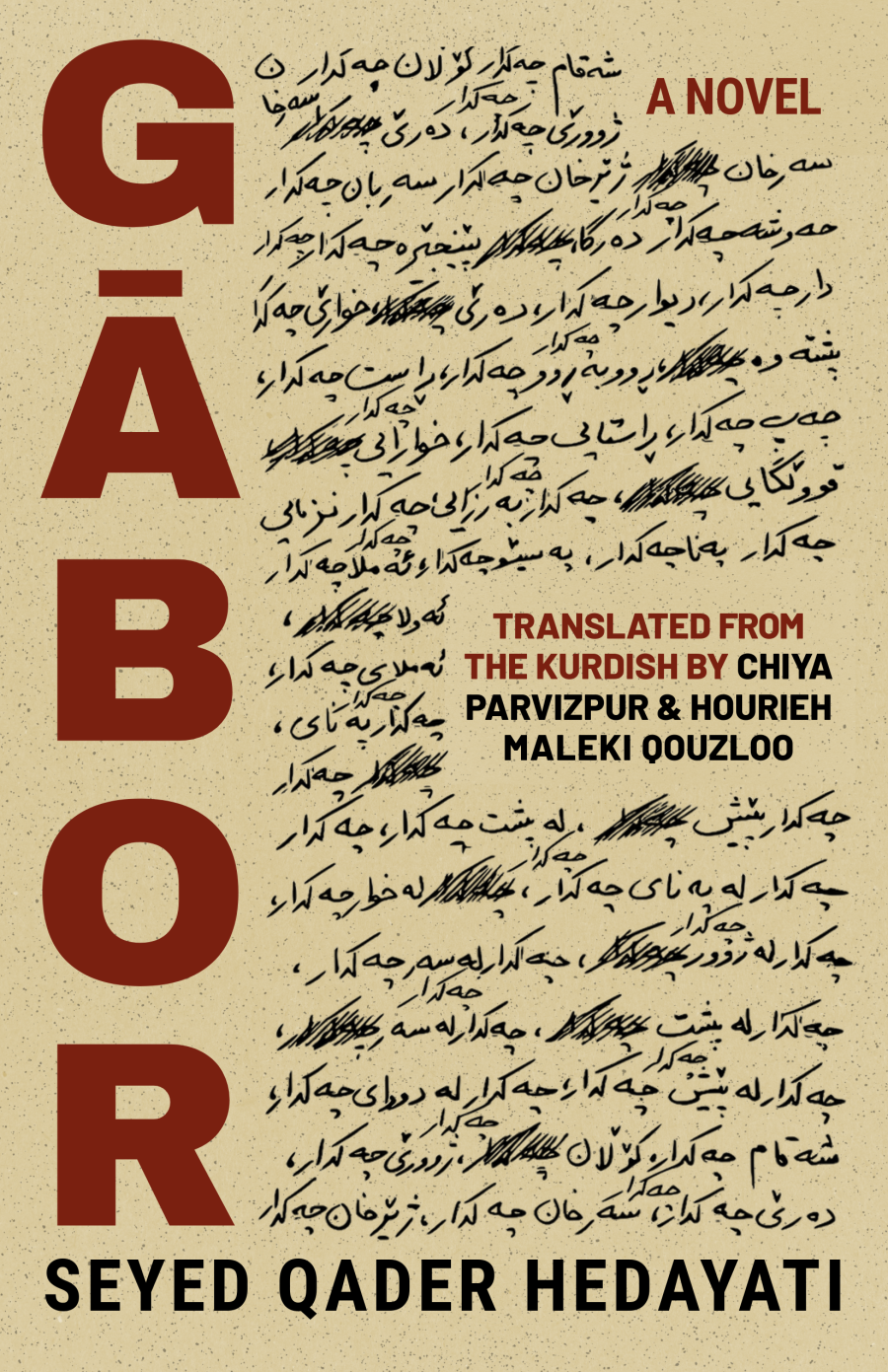
Gābor is the inaugural publication from Henar Press, a new concern based out of Columbus, OH, dedicated to the translation of “experimental Kurdish literature” with an eye toward “champion[ing] innovative works that disentangle Kurdish literature from its reductive portrayal as stateless[.]” Chad Post interviewed the press’s founder, Aryan Omar Hassan, over at the Three Percent Podcast(opens in a new tab) this past April, which is what put them on my radar.
I’ve been waiting for a book by Seyed Qader Hedayati to be translated into English since this 2022 review(opens in a new tab) in World Literature Today of his still-untranslated book Bardinah, a darkly absurdist historical fiction about the Kurdish peasant Godroon during the early-seventeenth-century reign of Shah Abbas I. Thankfully, Chiya Parvizpur and Hourieh Maleki Qouzloo, whose English translation of Birds in a Gale(opens in a new tab) by Ata Nahai was one of my favorite discoveries of last year, continue their mission of making heretofore untranslated Kurdish writers available to English readers with Gābor, a story told largely in dialogue about some kids who manage to buy themselves a ball, only to lob it into the base of an occupying military. Bloodshed ensues when one of the kids goes to retrieve the ball as the soldiers take revenge for this childlike trespass of their authority. The following antics are described as both grim and satirical. I can’t wait to read it.
Living in Fire(opens in a new tab) by Antoine Volodine, translated from the French by Lia Swope Mitchell | University of Minnesota Press | Pub date: October 13, 2026
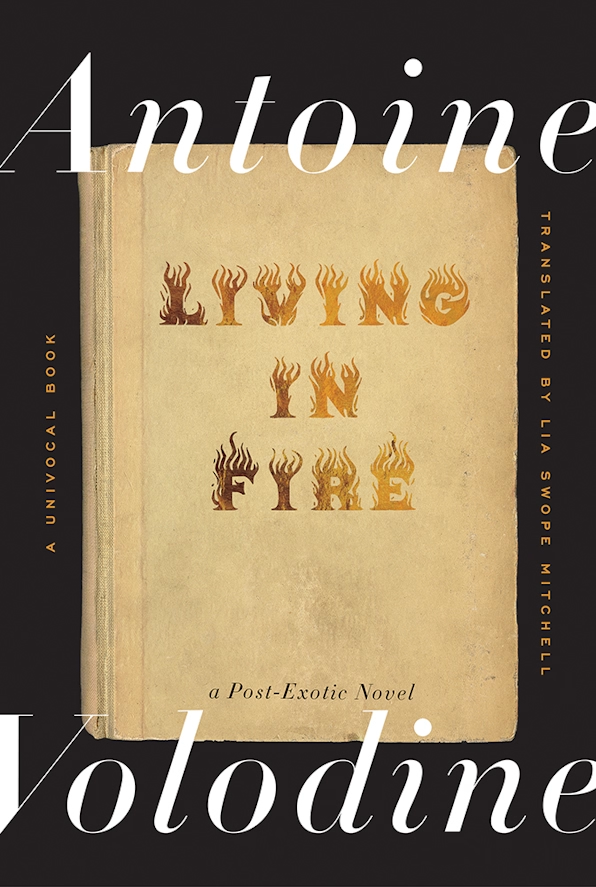
Supposedly the forty-ninth and final work in Antoine Volodine’s literary project of post-exotic fiction(opens in a new tab), or at least the last one written under the Volodine heteronym, Living in Fire’s jacket copy states that it’s the story of a soldier burning after a napalm strike who begins to write a novel in his head to suspend his death. Volodine’s premises all carry a similarly weighty, ridiculous, yet grim component that could easily read as obnoxious in the hands of other writers.
With every Volodine book I read, regardless of which heteronym I’m reading (he’s also published under the names Manuela Draeger, Lutz Bassmann, Elli Kronauer, and Iohannes Infernus; someone please translate these latter two!), I encounter a moment of disbelief in which something I might normally roll my eyes at (an easily trite image or phrase) becomes something just odd enough that I am transported, and I become proselytic. This prolific French-Russian writer has serious regard for a formal experimentation that is miraculously balanced by its revolutionary (see: anarcho-nihilism) playfulness. Every book of his I read is my favorite, compounding, or reinforcing, the echoes apparent in every other work. There is no writer I know of whose individual books are so remarkably distinct from one another yet still feel all of a piece. Volodine has been translated by nine different people (Linda Coverdale, Jordan Stump, J. T. Mahany, Jeffrey Zuckerman, Brian & Valerie Evenson, Gina Stamm, Alyson Waters, & Lia Swope Mitchell), all of whom are well known for their contributions to translated literature (or in Evenson’s case, American literature), and their work with Volodine has been published by a smattering of different great small presses (The New Press, University of Nebraska Press, Open Letter, Dalkey Archive, University of Minnesota Press, Dorothy, and now Archipelago Books). Cool people are lining up to take their shot at Antoine Volodine, and have been for some time now, yet all the translations I’ve read manage to leave his idiosyncrasies intact. Lia Swope Mitchell is one of the most recent in this lineage of devotees, and every book she has translated has been a great place to start with post-exotic literature, so give this one a shot, or any of the other ones she’s translated for University of Minnesota Press.
The Complete Stories(opens in a new tab) by Ingeborg Bachmann, translated from the German by Philip Boehm and Tess Lewis | New Directions | Pub date: October 27, 2026
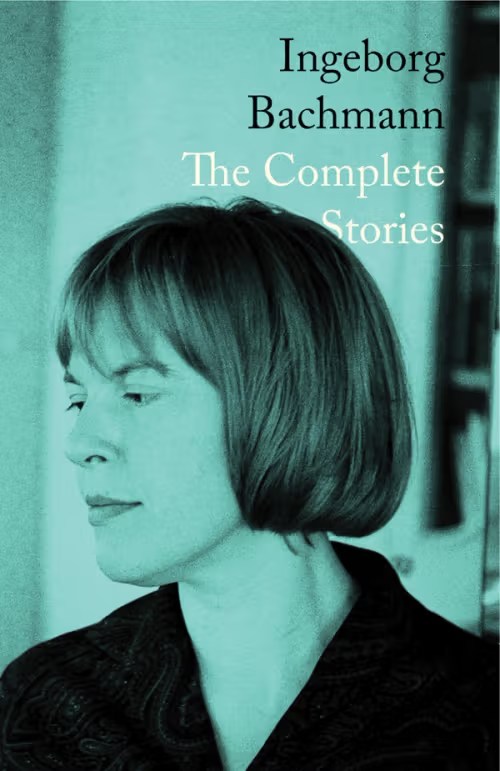
Malina(opens in a new tab) was one of my favorite books of 2019, and now Philip Boehm has returned to Bachmann in collaboration with Tess Lewis, translator of Bachmann’s early novella The Honditsch Cross(opens in a new tab). Here is all of Bachmann’s short fiction from across a period of 17 years. I’m an advocate for reading someone chronologically if possible, which has prevented me several times over from getting around to an author’s more critically lauded works. Having the opportunity to read a writer’s earliest published work and then getting to see how they changed over the course of their life, if they wrote consistently, can be a really rewarding, and at times disarming, experience. Bachmann’s writing career was too short, but her prose is akin to that of a compact German melancholy that, like a rash, you can’t help brushing your fingers over, taking pleasure in its irritation. On any particular page at random you’ll find someone suffering, dying, or drinking coffee. I’ll likely savor these through the colder months in Texas (probably just March, if I’m being honest with myself) and hopefully for many years to come.
The Kingdom of Agamemnon(opens in a new tab) by Vladimir Sharov, translated from the Russian by Oliver Ready | NYRB | Pub date: December 8, 2026
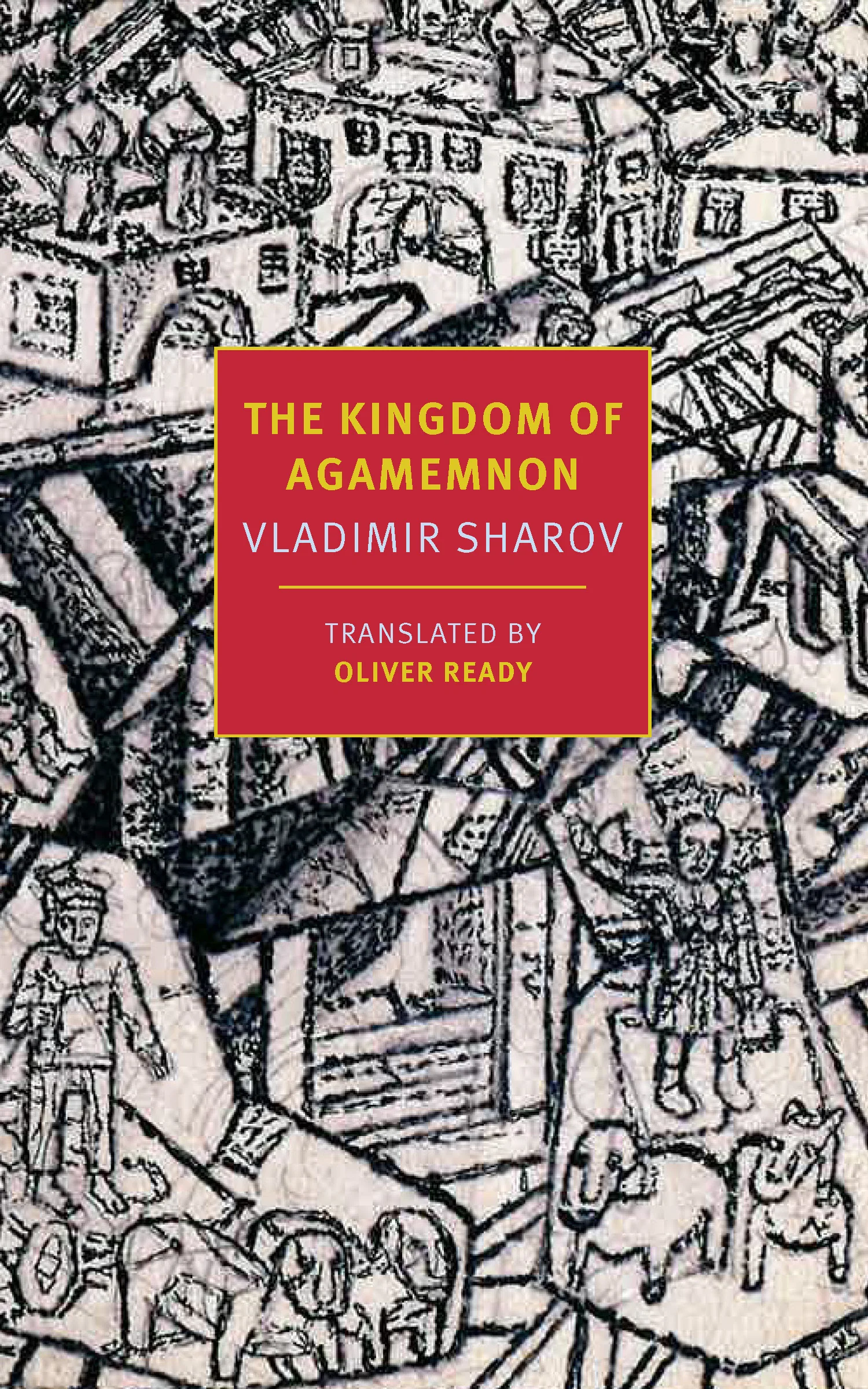
Another favorite of mine, whose work is stunning, and who I am stunned hasn’t caught on with English readers, is the delirious historiographical fictions of Vladimir Sharov. Sure, the low-resolution covers for his three Dedalus Books titles are ugly, and The Rehearsals(opens in a new tab) has an Elders of Zion–adjacent illustration that refutes some of the confidence conjured by the jacket copy, but these are some of the greatest works of translated literature I’ve read in the last however many years I need to name to convince you, dear reader, to be excited for NYRB’s release later this year of his final work, The Kingdom of Agamemnon. Following his historical obsessions, Sharov’s book is about a quest for a book of the same name as the title, related to the reader by the daughter of the book’s writer, who insists that she is not a Russian woman, but the Electra of Greek myth. Sharov plays with histories both Greek and Soviet to reckon with a present that seems to be always before and behind us, and if my previous experiences with him have set me up for this one, all English readers are in for a book as interested in how we write history as it is in how history is utilized to imprison and torment one another.
Oliver Ready is, as far as I can tell, the only person who can translate Vladimir Sharov. In Ready’s translations, Sharov’s prose has the cadence of a poet pacing wooden floorboards, beating out the rhythm of his work to the sound of his own heavy footsteps. There is a gravitas and an absurdity to his writing that Ready’s translations ably convey, and that I’m excited for more readers to discover later this year.
Vastlands: The Crossing(opens in a new tab) by João Guimarães Rosa, translated from the Portuguese by Alison Entrekin | Simon & Schuster | Pub date: January 19, 2027
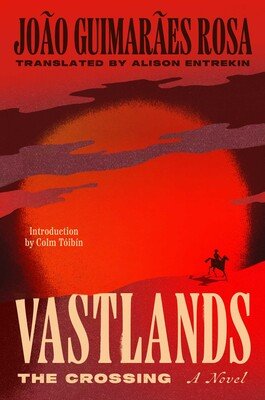
Finally, a new translation of Vastlands: The Crossing (Grande Sertão: Veredas) by João Guimarães Rosa. Previously translated with some license as The Devil to Pay in the Backlands, I wouldn’t have known that Alison Entrekin was working on a new translation of Grande Sertão: Veredas if it wasn’t for a good friend and customer of the store (thanks Drake!). Although I tend to spend a lot of my time digging for books to flesh out our stock, I really do rely on customers who get what we’re doing to let me know what’s going on, particularly if it’s a translation like this coming from a press whose catalog I’m paying less attention to (see: larger presses).
This is a Brazilian work from 1956 with a hefty reputation. Advertising copy labels it as being a linguistic triumph on the scale of any other big book about people heavily grounded both physically and psychologically in a specific place, whose writing is said to have changed the way a literature sees itself and its own language in prose (Ulysses). Although I can call to mind dozens of books touted to be the Ulysses of [country that is not Ireland] while groaning under the weight of their compounded page counts, Vastlands: The Crossing is to my mind different in one important way, which is that it’s a weird western on an epic scale. If that doesn’t convince you, remember who is behind this translation. Alison Entrekin has taken on some of the most linguistically challenging and diverse Portuguese translation projects in recent years: Near to the Wild Heart(opens in a new tab) by Clarice Lispector, It’s All River(opens in a new tab) by Carla Madeira, and Solomonian(opens in a new tab) by Domício Coutinho, to name a few.
Honorable Mentions (I could have easily written about any of these below, but the above all received precedence due to my infatuation with either author or translator or reputation):
The Crossing of the Boars(opens in a new tab) by Zhang Guixing; translated from the Chinese by Christopher Rea and Julie M. Wang | Columbia University Press| Pub date: August 14, 2026
The Eighth Wonder(opens in a new tab) by Vlady Kociancich, translated from the Spanish by Jessica Sequeira | Seven Stories Press | Pub date: August 25, 2026
Floating Islands(opens in a new tab) by Joyce Mansour, translated from the French by Emilie Moorhouse | Invisible Publishing | Pub date: September 22, 2026
Visions & Apparitions(opens in a new tab) by Ladislav Klíma, translated from the Czech by Jed Slast, with illustrations by Alexander Booth | Twisted Spoon | Pub date: October 5, 2026
Dogs(opens in a new tab) by Dora Šustić, translated from the Croatian by Ena Selimović | Sandorf Passage | Pub date: November 10, 2026
Moments from the Life of a Hedgehog(opens in a new tab) by Edina Szvornen, translated from the Hungarian by Ottilie Mulzet | Seagull Books | Pub date: December 6, 2026
Emily Tarr has worked in the world of books for somewhere around six years: in marketing and merchandising at Thank You Books in Birmingham, AL, and as the Trade Shows & Sales Ops Manager at Simon & Schuster. She served as a judge on the 2024 Cercador Prize committee and as the Chair on the 2025 committee. She currently serves as a judge on the 2026 Republic of Consciousness (US & Canada) Prize committee.
Beatriz Quiroz García is a bookseller and subscriptions coordinator at Skylight Books in Los Feliz, CA. She was part of the 2025 Cercador Prize Committee, a bookseller-helmed prize for literature in translation. When not slinging books or working on her MLIS degree, she may (hopefully not) be found reading, wandering in woods near a body of water, or dancing to cumbias with her friends.
Stephen Krause is co-founder and book buyer at Alienated Majesty Books in Austin, TX. He’s worked in bookselling for over a decade at various shops around the country, and has also briefly worked for Dalkey Archive and The New York Review of Books.