International Authors to Read Now
Recommendations for exciting authors to read in translation, brought to you by CAT and Two Lines Press staff.
This week, we’re happy to share ten recommendations for exciting authors to read in translation, brought to you by the CAT and Two Lines Press staff.
Our list covers writers from Japan, France, Suriname, Indonesia, Russia, Turkey, and Iran, with translations by Harry Mathews, Juliet Winters Carpenter, Robert Chandler, and more. Whether they bring new life to ancient forms of poetry, push the boundaries of magic realism, or dive deep into the undertow where personal memory meets the political, we hope you find as much enjoyment and meaning in their work as we have.


Mieko Kawakami came to my attention in 2020 when the English edition of her book Breasts and Eggs(opens in a new tab), translated from Japanese by Sam Bett and David Boyd, was published by Europa Editions. I’m always on the lookout for new Japanese authors and am particularly excited by the number of young Japanese women who are getting attention. I love Kawakami’s unique voice and the fact that she focuses on women’s lives, which is especially unusual in Japanese writing. It seems she might be the new “It” Japanese author: her novel Heaven(opens in a new tab) was shortlisted for the 2022 International Booker Prize.
— Erin Branagan, Communications & Development Director

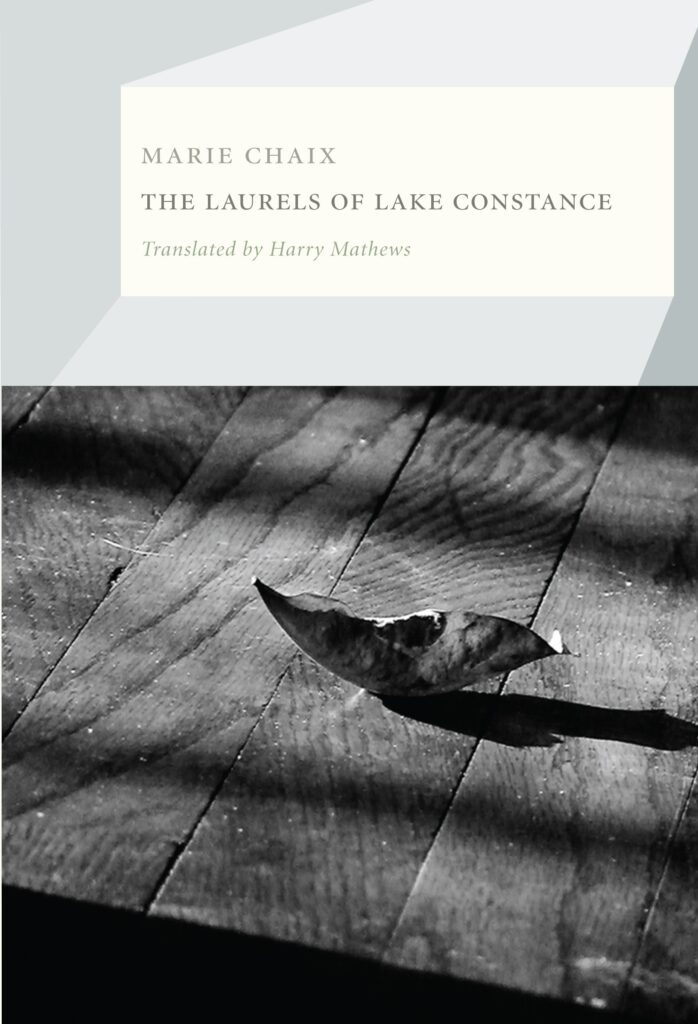
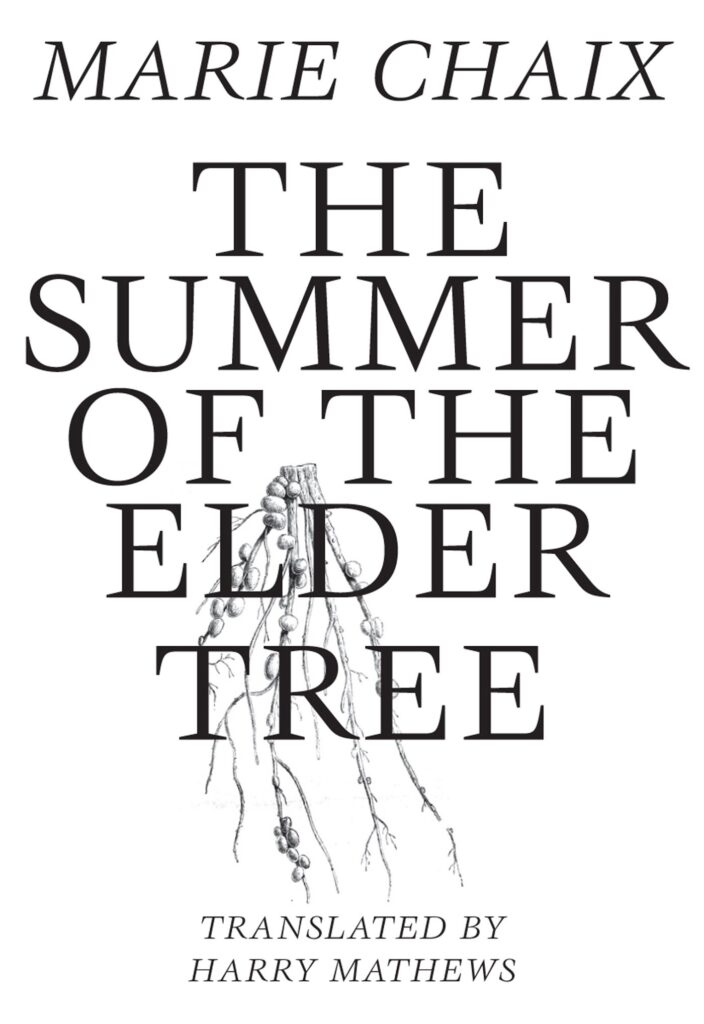
Marie Chaix’s three novels available in English (all in translation from French by Harry Matthews and published by Dalkey Archive Press) form a kind of loose triptych. Each one tasks writing with providing a container for the unspeakable, but whether or not Chaix succeeds in this way in her proto-autofictions is hardly the point. In Silences, or a Woman’s Life(opens in a new tab) (1976), Chaix writes through the horrors of long-term medical care alongside the decline and eventual death of her mother. The Laurels of Lake Constance(opens in a new tab) (1974) unflinchingly describes Chaix’s (real) father’s treasonous political career in France as an outspoken and visible supporter of the Third Reich’s occupation of the country and, indeed, Hitler’s Germany in general. Chaix translates his life, and its personal and historical impact, as you might imagine, through profound guilt and righteous anger. The Summer of the Elder Tree(opens in a new tab) (2005), written about three decades after the first two, a kind of spiritual afterword, returns to the concept of silence and distance. The first two sentences: “One day something happened to me. One day I lost confidence and decided not to write any more.” I highly recommend all three books.
— Chad Felix, Sales & Marketing Manager
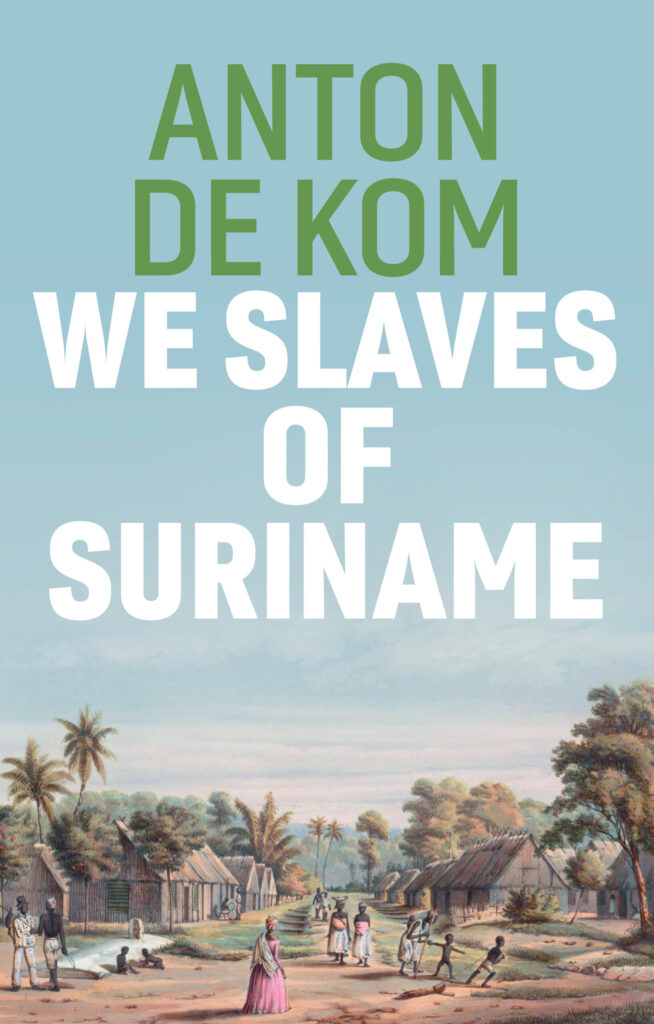
As some readers may know, Two Lines Press will be publishing two books by the lauded Surinamese author Astrid Roemer in the years ahead. While she doesn’t allude to it directly, one of the books that underpins her work is Anton de Kom‘s We Slaves of Suriname(opens in a new tab), a gripping anticolonial account from 1934 now available in English thanks to David McKay’s translation published by Polity. For Roemer, de Kom serves as a sort of precursor, a resistance leader indignant about Dutch colonial rule, racism, and the history of slavery.
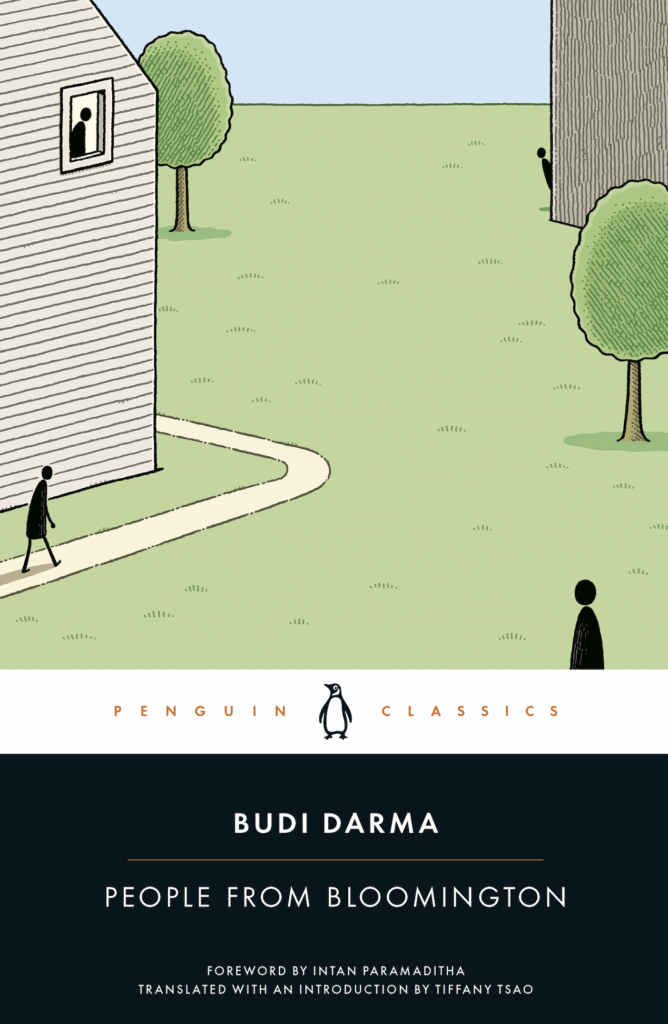
I’m often drawn to books about familiar places told from radically different points of view. Budi Darma‘s People from Bloomington(opens in a new tab), translated by Tiffany Tsao and released this year by Penguin Classics, is a collection of stories originally published in Indonesia in 1980 (the author was a graduate student at Indiana University Bloomington), and they’re full of isolated, alienated, highly observant people. As a conflicted Midwesterner myself (I grew up in Nebraska), these stories are striking for depicting ordinary Midwestern life in all its absurdity. As Tsao writes, “I am often wary when writers make claims about the ability and right of fiction to roam untrammeled across race, culture, and countries. Overwhelmingly, such roaming tends to be unidirectional, with Western writers depicting other people and countries rather than the reverse.” This book is a welcome exception.
— Michael Holtmann, Executive Director & Publisher
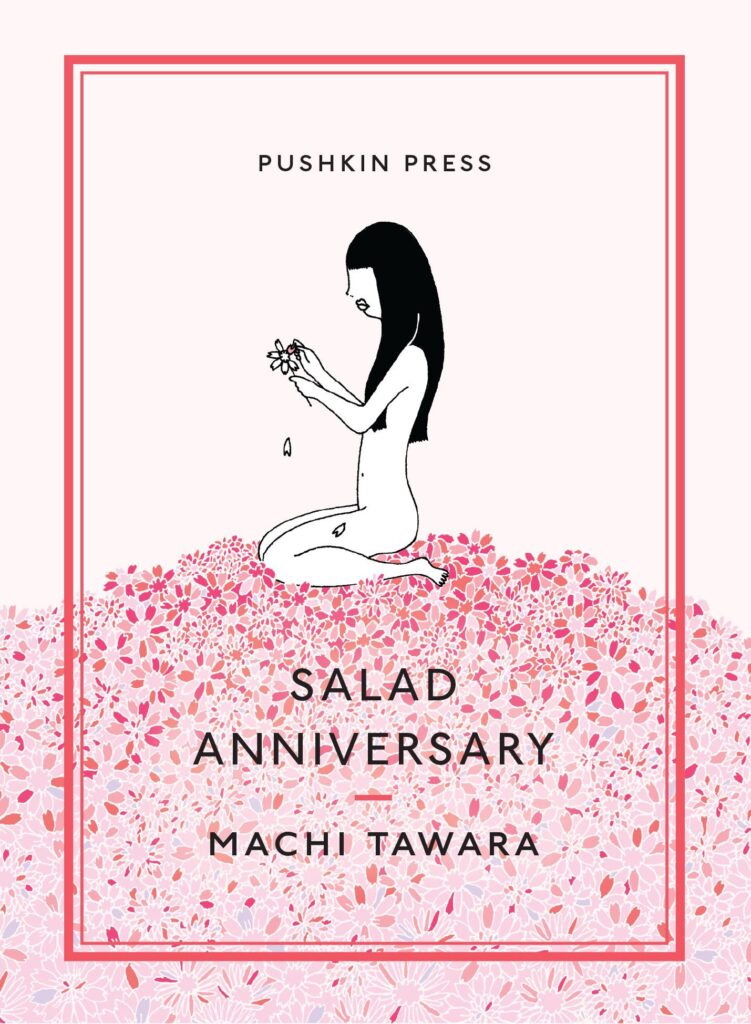
Machi Tawara became a minor celebrity in Japan upon the publication of Salad Anniversary (opens in a new tab)(1987), a collection of tanka that is credited with revitalizing the ancient poetic form for a contemporary audience. In her tanka, every moment feels deeply meaningful, from buying a toothbrush to contending with heartbreak. Tawara has said that with her poems, she strives to express kokoro no yure, or the swayings of the heart, and the artful translation by Juliet Winters Carpenter published in 2015 by Pushkin Press has certainly stayed true to that intention.
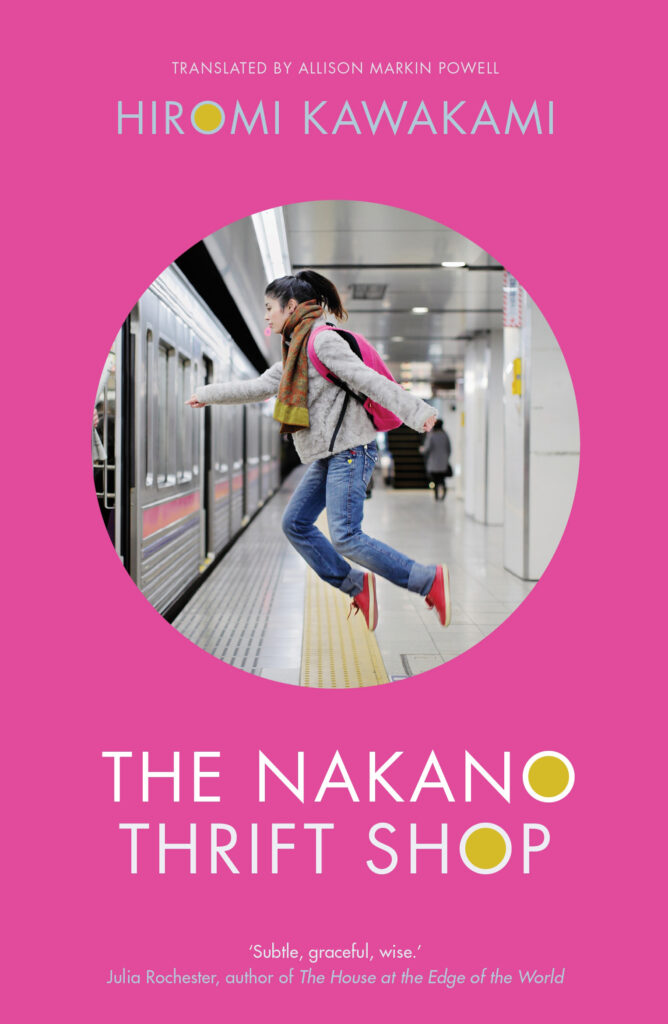
I’ve also never met a book by Hiromi Kawakami that I didn’t instantly fall in love with. She has the magical ability to conjure dreamlike and bizarre worlds while preserving a universal feel through unwavering emotional honesty, and incisively draws out the nuances of relationships of all kinds: familial, romantic, and between friends.
— Aya Kusch, Operations Assistant
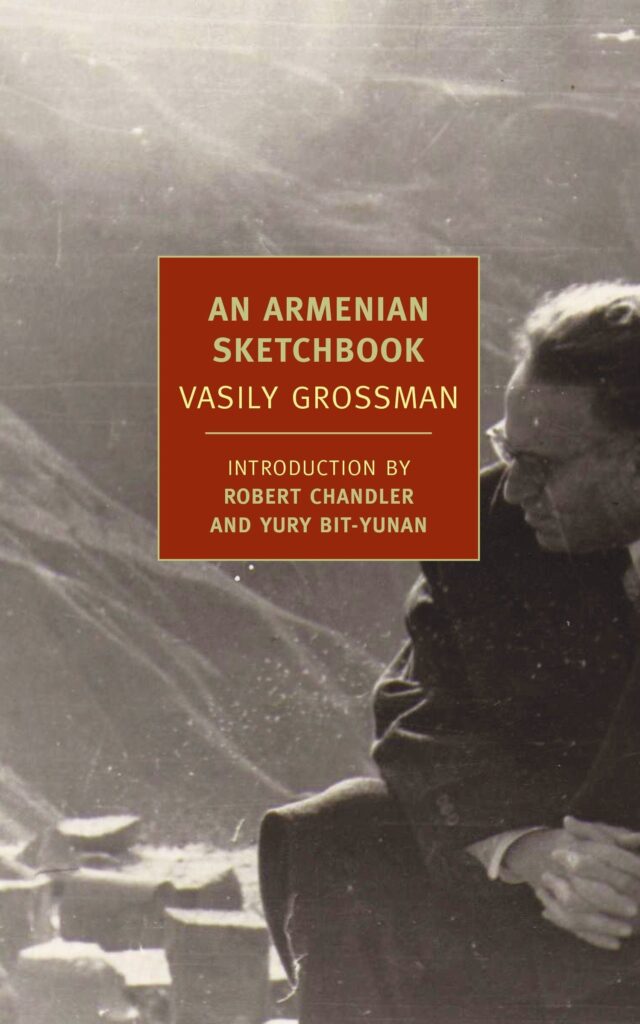
Vasily Grossman was a Soviet Jewish writer who, having recorded eyewitness accounts of some of the darkest moments of the Second World War and Stalinist rule, is perhaps best known for his sprawling, censored epic novels Life and Fate (1959) and Everything Flows (1962). Recently, I’ve actually been touched by a much smaller, more gently pensive book of his— An Armenian Sketchbook(opens in a new tab), translated from Russian to English by Robert Chandler and published by NYRB Classics with an introduction by Yury Bit-Yunan in 2013. A diary of sorts written during the two months he spent in Armenia as he revised an existent Russian translation of an epic novel, Grossman crafts one of the most vividly real, bittersweet worlds I’ve gotten to step into as a reader. He describes hidden courtyards and hopping sparrows in Yerevan, the wind-swept, stony landscape of the countryside, and the worn faces, mannerisms, and stories of what seems like every person he meets along the way with such perceptiveness and care that the reader ends up learning a great deal about the remarkable person Grossman himself was, too.
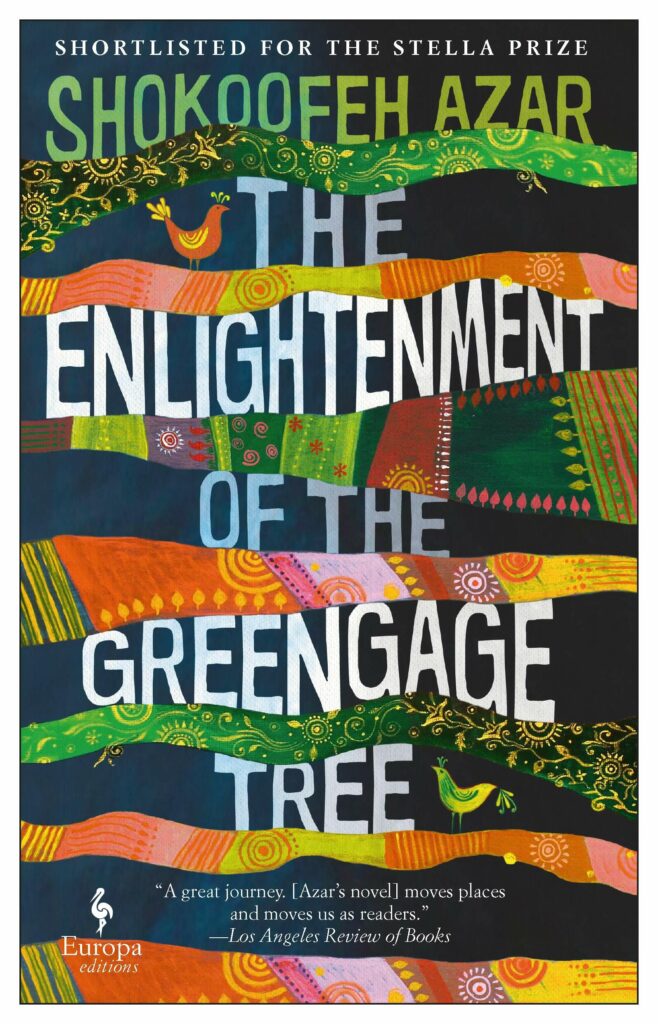
I’m also reading Shokoofeh Azar‘s novel The Enlightenment of the Greengage Tree(opens in a new tab), translated from Persian to English anonymously, published by Europa Editions, and shortlisted for the International Booker Prize in 2020. Iran has an ever-growing, rich tradition of magic realism built largely by women writers like Shahrnush Parsipur and Moniro Ravanipour, but I’m particularly struck by Azar’s approach to the genre because she perfectly balances ethereal allegory and lyricism with unusually explicit accounts and criticisms of political violence under Khomeini’s rule. Her willingness to speak explicitly, rather than retreating into fantasy in an “escapist” sense (as Apala Bhomwick pointed out in a review for Asymptote(opens in a new tab)), cost Azar her political freedom in Iran and forced her to seek asylum in Australia as a refugee. But her forthright honesty in pointing to an oppressive structure by name— and her deep understanding of the ways literature can be wielded against it— make Azar as much of an imaginative master stylist as a grounded force in demonstrating literature’s potential to expand social and political consciousness.
— Sophie Levy, Communications Assistant

The first Turkish female writer to be nominated for the Nobel Prize in Literature, Leylâ Erbil was the author of the groundbreaking novel A Strange Woman(opens in a new tab), translated by Nermin Menemencioğlu and Amy Marie Spangler and published by Deep Vellum this year. Originally published in 1971, the book is a meaningful exploration of one woman’s life choices and established Erbil as an important feminist voice during a time of change and modernization in Turkey.
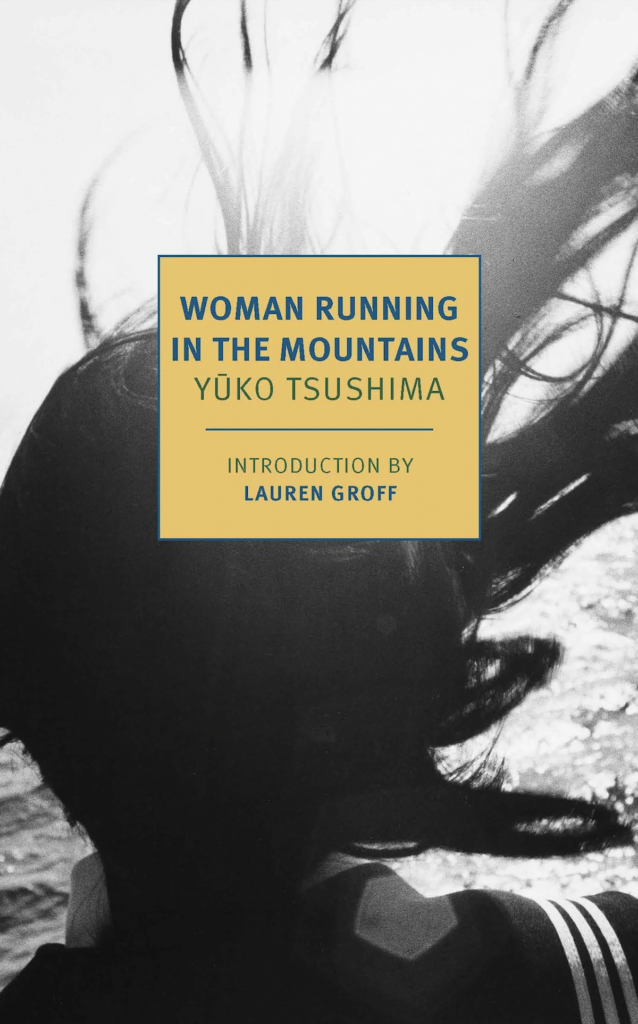
Yūko Tsushima was an award-winning Japanese novelist whose female protagonists were often marginalized or abandoned by family and society. I was moved by her powerful book Woman Running in the Mountains(opens in a new tab) (released this year from NYRB Classics), translated by Geraldine Harcourt (and with an introduction by Lauren Groff), about a young woman struggling to raise a baby on her own. Known for her autofiction, Yūko Tsushima is quoted as saying, “I write fiction, but I experience the fiction I write.”
— Jessica Sevey, former Managing Editor