PIO Teaching Fellow Spotlight: Akela Leach
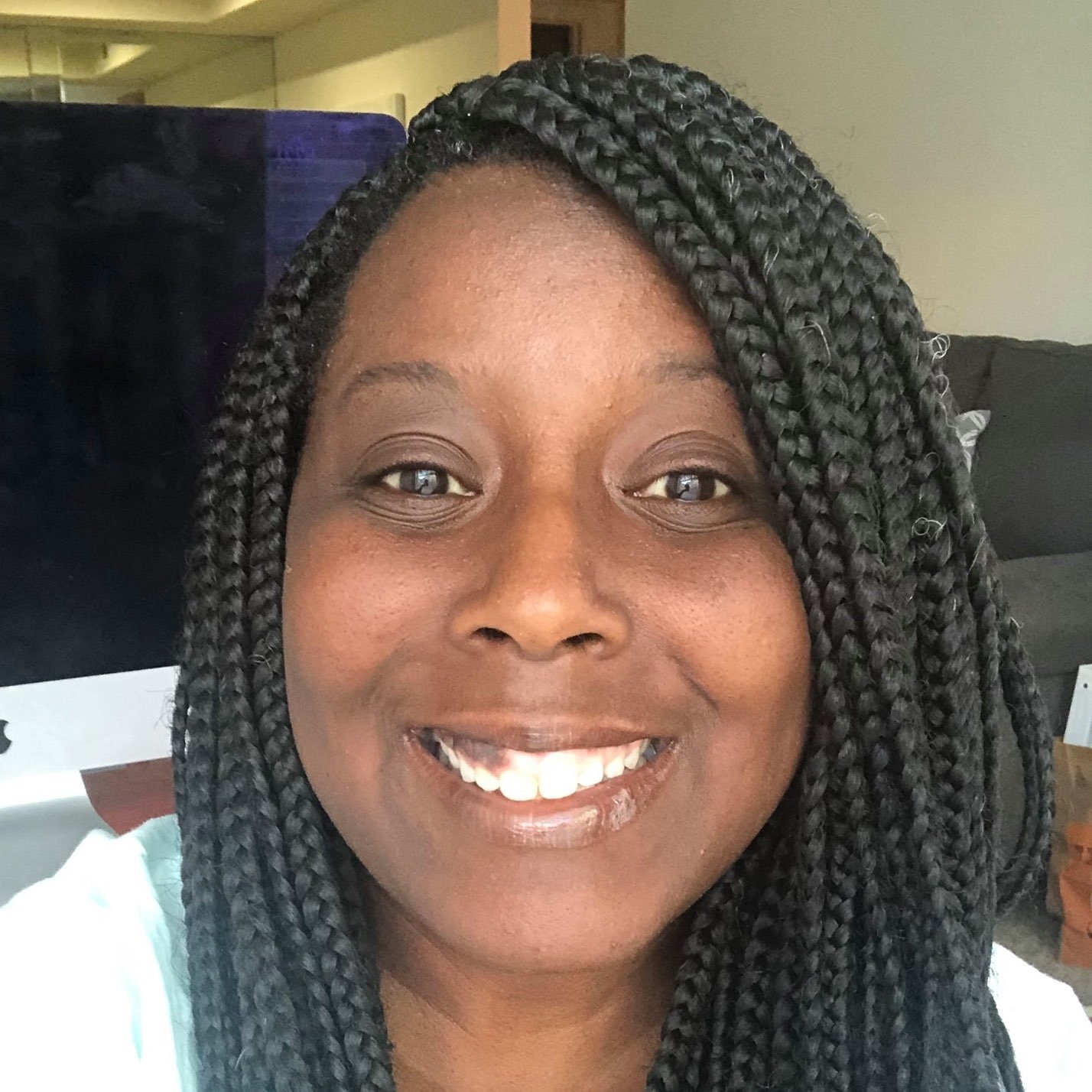
Meet one of the 2022-2023 Poetry Inside Out Teaching Fellows and learn more about her work in curriculum building this year!
This school year marked the launch of the inaugural Poetry Inside Out Teaching Fellowship, a year-long program designed to support teachers as they pursue curricular research, build skills in creative language instruction, and learn how to foster collaborative discussions of poetry in translation in the classroom. Teaching Fellows join a vibrant network of students, teachers, poets, translators, and academics committed to open-ended dialogue about language and literature, working together to develop culturally responsive, integrated curricula based on PIO’s key practices.
Having introduced the fellows as a group earlier this year, we’re excited to spotlight them individually and learn more about their work. Akela Leach is a fifth-grade teacher with eight years of experience in Tulsa, Oklahoma. She values PIO curricula for their accessibility to all students regardless of their academic backgrounds, and is eager to apply the skills gained during the Teaching Fellowship to her interests. She is particularly passionate about indigenous languages and aims to work counter to the lack of educational resources devoted to teaching about Native American cultures, heritages, and nations.
What have you gained from the Teaching Fellowship so far? Anything that surprised you or you didn’t necessarily expect?
Right now, there isn’t another teacher in my building that’s doing Poetry Inside Out. Being able to talk with other fellows, Mark Hauber [Poetry Inside Out Program Director], and Arzu Mistry [educator], and to learn how they implement new strategies in their classrooms was the most valuable thing to me. A lot of the time— especially in my case, given my location— we don’t have that space for this kind of discussion.
It’s a really big deal for teachers to be treated like professionals. And that has to do with how professional development events and retreats are organized, even just the language that’s used to talk to us, and the questions that are being asked. Often the tone is, “let me sell you this product,” or “let me explain to you why you should use our program,” which is not the same as valuing our insights. Being treated as though you’re coming to the table with knowledge— being invited to a discussion where you’re genuinely being heard out— is really valuable. Even while we listened to presentations from translators coming from all over the world [at the Teaching Fellowship retreat], there was this feeling that we were being treated as peers working on the same level, but just coming from a different lens. The education system is very big on hierarchy, and teachers often feel like they’re at the bottom, so I really appreciated that there wasn’t a presumption that anyone was above or below anyone else.
Tell us more about your research / curriculum-building project. How is it going? Anything you’re particularly excited about?
My research kind of took a different turn; I’ve actually been focusing on bringing Poetry Inside Out to my school district at large and advocating for it to be a program that is backed by our district. I invited a school district leader to come and visit my classroom, and she participated in a lesson with my students, which was great. Getting more leaders on board is a gradual process, but even though my time as a Teaching Fellow has ended, I’m building toward that goal.
I realized that the other fellows have the advantage of working with other educators who teach with Poetry Inside Out right in their cities, or right in their states. And it’s kind of hard to be on an island; our school is really small, and it can be tough to introduce anything new in our classrooms because we have a lot of mandated curricula. So I want to continue to work through that and get things going in my district, at least by contacting colleagues at other schools and welcoming them to come to Teaching Workshops.
How do you see the skills you’ve gained during the fellowship benefiting your classroom / your students in the future?
One thing that stuck with me during the retreat was the emphasis on the importance of reflection. It’s something I’ve been returning to internally, because a lot of times, there’s so much packed into a day and we mainly focus on moving through our lessons at the right pace— but before moving to the next unit of a curriculum, it makes such a difference to have students reflect on what they’ve learned first so they really internalize it. This was something that constantly came up during Teaching Fellowship meetings on Zoom throughout the year. So I think that whether it’s an Accordion Book or a journal or a reflection sheet, I really want to bring that to my students going forward. Our conversations about reflection really reshaped my thinking and I took it forward with me after the Fellowship ended.