Day of Translation: Recommended Reading & Watching List
We’re excited to present our seventh annual Day of Translation in partnership with The Center for Fiction in Brooklyn, NY, on September 24. This year’s program celebrates the deeply human elements of literary translation, featuring three free provocative panels, insightful conversations, a featured keynote by Emily Wilson, and a community afterparty (due to limited space, the afterparty is open to keynote ticket holders and invited guests only). Leading up to our day-long event, we asked our panelists to put together a reading and watching list filled with articles, books, and videos to introduce their panel’s core themes. We invite all curious readers to attend the Day of Translation, and we are also happy to share some resources that might deepen your experience during or after this year’s event.
The Art of Embodied Translation: The Role of Disability in Translation Today
Panelists Nichole Gleisner, Paige Aniyah Morris (joining remotely), Amanda Sarasien, and Jeffrey Zuckerman recommend:
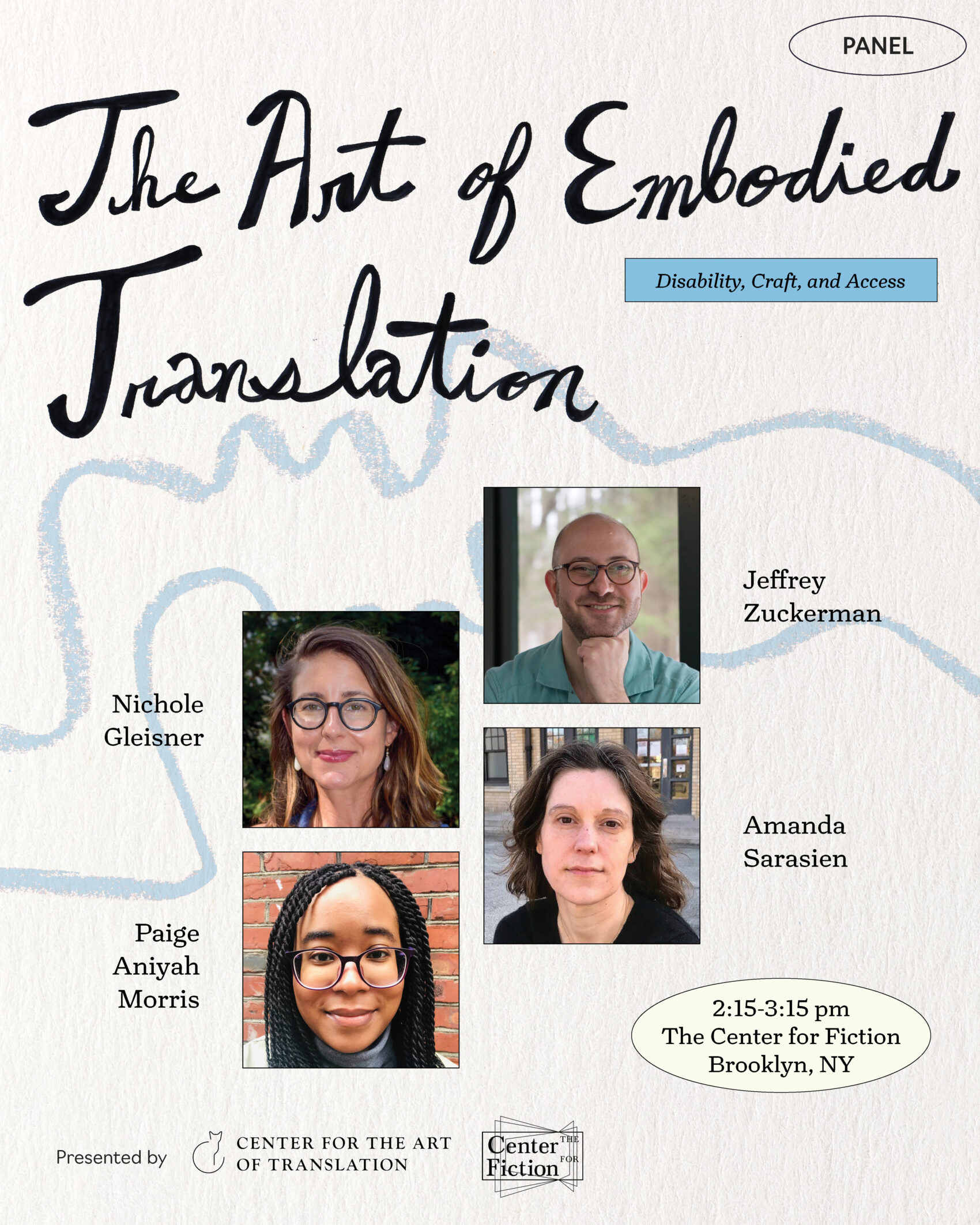
The following recommendations invite further immersion into the intersections among disability, translation, and language, or delve into disability justice more broadly. They include the panelists’ own explorations into their lived experiences as literary translators with disabilities and the ways in which these experiences have informed their craft.
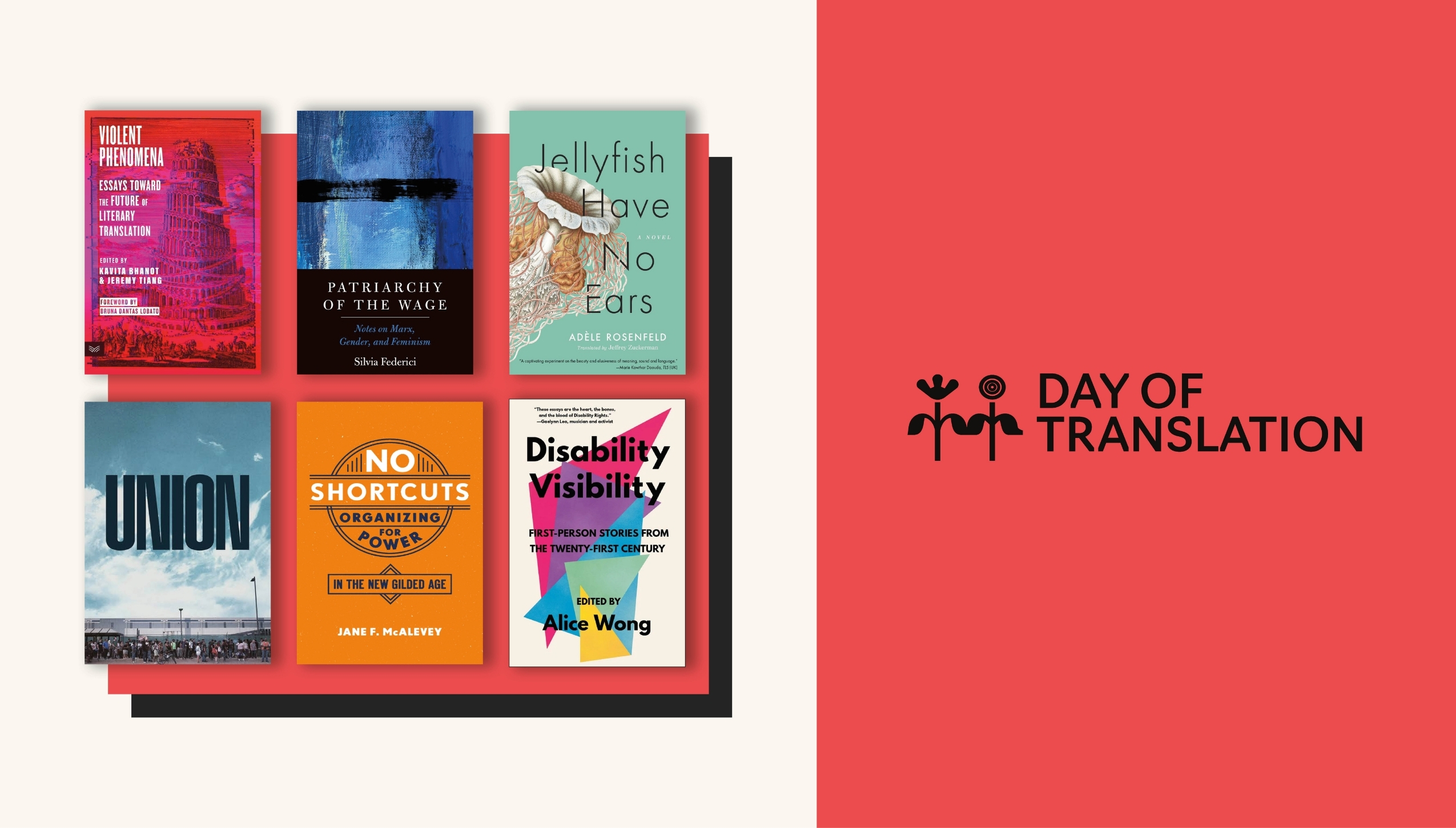
- Jellyfish Have No Ears(opens in a new tab) by Adèle Rosenfeld, translated by Jeffrey Zuckerman
- “My Disability Forced Me To Become More Visible in My Work as a Translator” by Amanda Sarasien (published in Electric Literature(opens in a new tab))
- “My Moi: Translation as Autobiography(opens in a new tab),” a lecture by Jeffrey Zuckerman, part of the 2024 Boston University Lecture Series in Literary Translation (scroll down for the relevant video)
- The Thread by Christophe Bourdin, translated by Jeffrey Zuckerman (available for preorder)(opens in a new tab)
- “By Any Other Name” by Kim Heejin, translated by Paige Aniyah Morris (an excerpt from No Matter How Odd, published by Words Without Borders(opens in a new tab))
- “Oddly Ineffable: Naming People and Disability in Kim Heejin’s No Matter How Odd” by Paige Aniyah Morris (published by Words Without Borders(opens in a new tab))
- Translating Disability: a collection of essays and translations published by Words Without Borders(opens in a new tab)
- “In Search of Solace” by Paige Aniyah Morris (published by the National Centre for Writing(opens in a new tab))
- Disability Visibility: First-Person Stories from the Twenty-First Century(opens in a new tab), edited by Alice Wong
- The Future Is Disabled: Prophecies, Love Notes and Mourning Songs(opens in a new tab) by Leah Lakshmi Piepzna-Saramasinha
- Nerve: Unlearning Workshop Ableism to Develop Your Disabled Writing Practice(opens in a new tab) by Sarah Fawn Montgomery
- Annah, Infinite(opens in a new tab) by Khairani Barokka
- AWP panel “We’re Still Here: Disabled Writers on Claiming Space”(opens in a new tab)
- “Manifesto of the Disabled Text(opens in a new tab)” by Joyelle McSweeney and Johannes Göransson, originally published in the New Ohio Review (2008): 94–98.
- Journal of Literary and Cultural Disability Studies(opens in a new tab)
- Beautiful Mystery: Living in a Wordless World(opens in a new tab) by Danilyn Rutherford
Care, Collaboration, Transformation: Feminist Translation Collectives and World Literature
Panelists Seta Astreou-Karides, Zeina G. Halabi (joining remotely), Katharine Halls, Sabrina Jaszi, and Ena Selimović recommend:
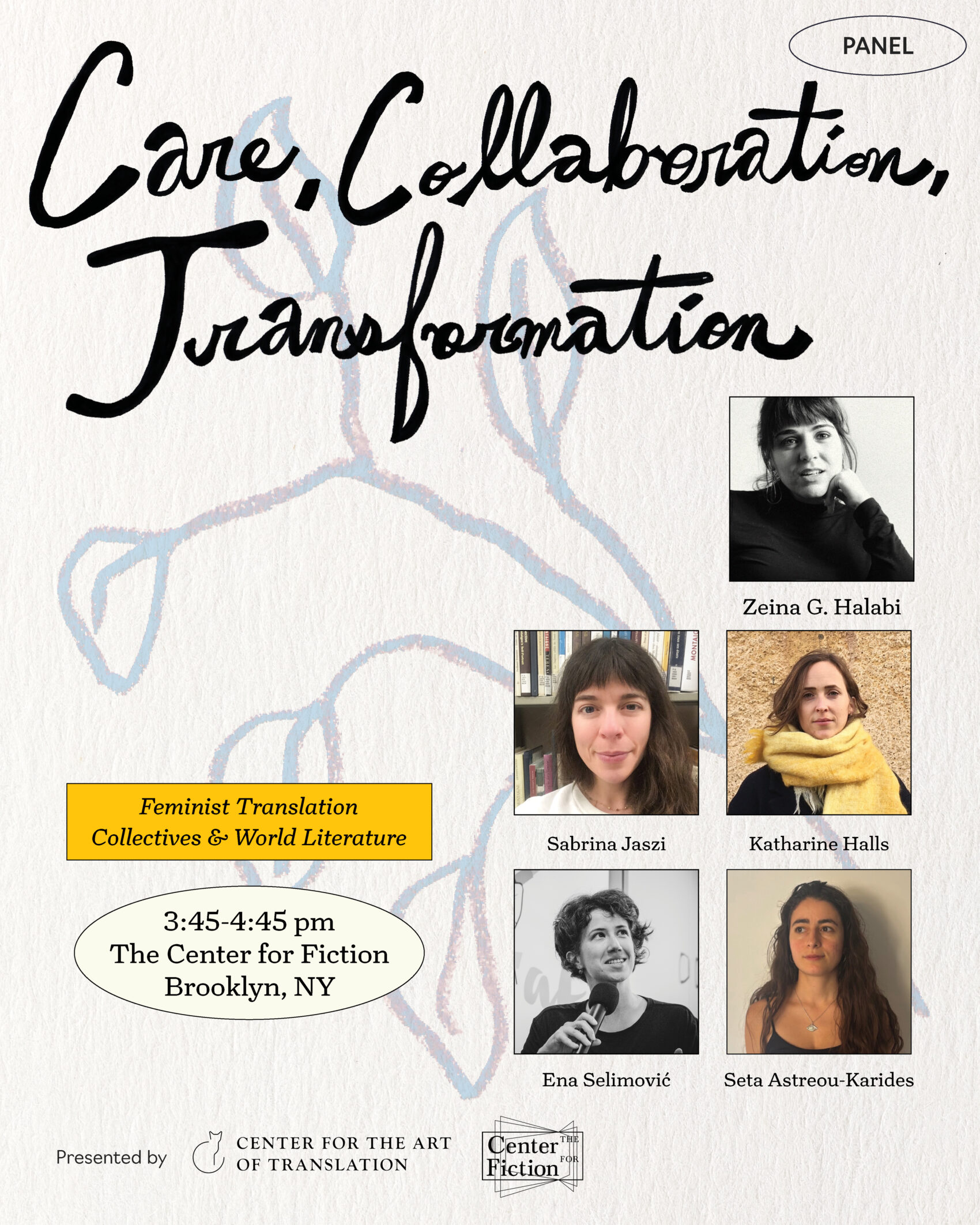
This multimedia selection of conversations, essays, resources, and creative work introduces the panel’s participants and takes up its questions of care, solidarity, power, and collective cultural practice across languages and borders.
- (to the stones)(opens in a new tab), book edited and published by fisherwomxn: This book was edited and published by fisherwomxn. It is a trilingual edition in English, Cypriot Greek, and Cypriot Turkish that was published on the occasion of the Cyprus Pavilion at the Venice Biennale of Architecture in 2025. The choice to use Cypriot Greek and Cypriot Turkish, rather than Standard Greek or Standard Turkish, was one of the reasons the book was considered “dangerous” for the nation. It was subsequently called to be withdrawn, and the controversy surrounding the book went viral across national media.
- Moving Words/Shifting Worlds Study Folder(opens in a new tab): A study folder composed of elements of our Co-learning Assembly language. The study was grounded within the linguistic and cultural landscape of Cyprus, a historically contested space where languages and identities have intersected, collided, and evolved over centuries. The folder includes reading lists on the topic, exercises in multilingual translation, and texts by the contributors.
- Labour of Listening – Haytham el-Wardany(opens in a new tab)
- 10/11, not 9/11: A new literary agency for a new approach(opens in a new tab): A profile of our agency and how it works.
- Erasing the signs of labour under the signs of happiness: ‘joy’ and ‘fidelity’ as bromides in literary translation:(opens in a new tab) An essay by Sophie Collins proposing “intimacy” as a replacement for “fidelity” in discourses on translation.
- An Interview with Author Ahmed Naji and Translator Katharine Halls(opens in a new tab): A conversation among Egyptian author Ahmed Naji; translator of his prison memoir, Rotten Evidence, Katharine Halls; and the book’s publisher at McSweeney’s, Amanda Uhle.
- Watch out, I’m about to sing:(opens in a new tab) A personal essay by 10/11’s founder, Arabic-to-German translator Sandra Hetzl, on her journey to translation.
- “Sins of the Mother” Feature in Words Without Borders:(opens in a new tab) The founders of Turkoslavia got together to curate a feature on the more disturbing forms of matrilineal inheritance, with stories translated by Mirgul Kali, Ena Selimović, and Sabrina Jaszi, including a translation of Turkoslavia contributors Marina Gudelj and Leyla Shukurli.
- Turkoslavia at Sant Jordi NYC(opens in a new tab): A series of short readings by writers and translators in Turkoslavia’s orbit, beginning with an introduction by Ena and Sabrina. The playlist includes readings by Ági Bori, Yana Ellis and Elena Alexieva, Shelley Fairweather-Vega and Hamid Ismailov, Denis Ferhatović, Elena Koroleva, Rob Myatt, Marina Sofia, and Sabrina Jaszi reading Aflatuni’s “The Mistle Thrush.”
- Autumn Marathon dir. Georgiy Daneliya:(opens in a new tab) A perverse example of translators “caring” and a very funny film about translation. This melancholy Stagnation-era comedy is about an English-to-Russian translator whose inability to say no—to colleagues, students, friends, wife, lover—turns life into an increasingly tortured act of mediation.
- Violent Phenomena: 21 Essays on Translation:(opens in a new tab) A model for collective reflection on the underside of translation, especially from the perspective of exophonic translators working with marginalized languages.
- Silvia Federici’s Patriarchy of the Wage:(opens in a new tab) A glorious breakdown of women’s work and the concerted efforts systematically deployed to keep it unappreciated, unpaid, and unrelenting.
- The following links are a small attempt to show the breadth and depth of the work done by the translator–writers the Turkoslavia Collective has had the privilege to collaborate with:
Saida Zunnunova’s “Diary”(opens in a new tab) translated from Uzbek by Donohon Abdugafurova
Migjeni’s “A Magazine’s Contents”(opens in a new tab) translated from Albanian by Genta Nishku
Adrian Diniș’s poetry(opens in a new tab) translated from Romanian by Marina Sofia
A Radical Proposal: Literary Translators as Workers
Panelists Soleil Davíd, Kira Josefsson, Frances Riddle, and Jeremy Tiang recommend:
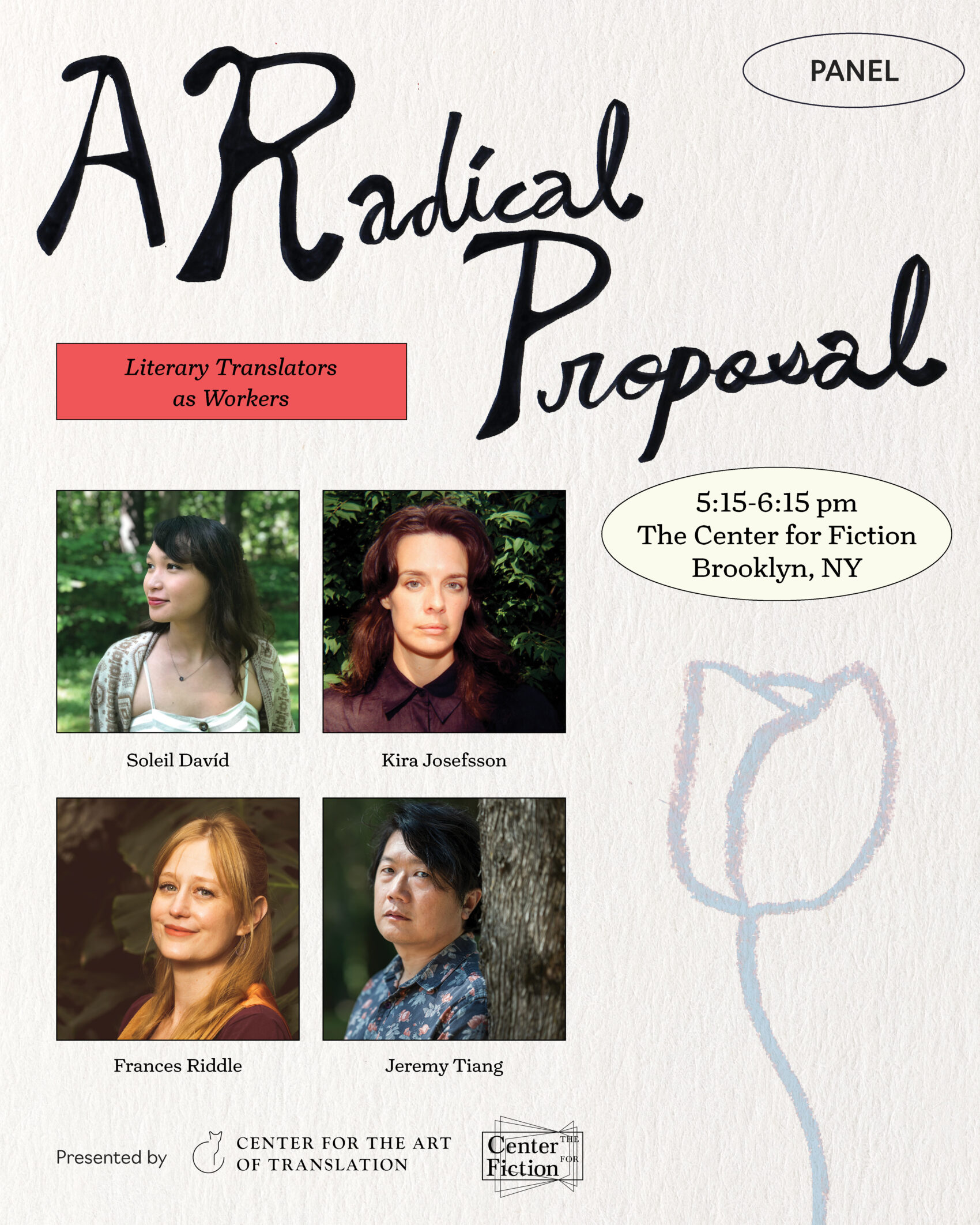
Here are some recommendations looking at various aspects of labor organizing, including Jane McAlevey’s seminal text on building power and enacting progressive change, a documentary about unionizing an Amazon warehouse on Staten Island, a play about how small compromises add up when negotiating with those in power, and Walter Benjamin’s prescient treatise about mechanical reproduction that hits very differently in the age of A.I.
- Jane F. McAlevey, No Shortcuts: Organizing for Power in the New Gilded Age(opens in a new tab) (Oxford University Press, 2018)
- Union(opens in a new tab) (directed by Brett Story and Stephen Maing, 2024)
- Stefano Massini, 7 Minutes(opens in a new tab) (translated by Francesca Spedalieri and directed by Mei Ann Teo, 2022)
- Walter Benjamin, “The Work of Art in the Age of Mechanical Reproduction(opens in a new tab)” (translated by Harry Zohn, 1969)
To learn more about the Day of Translation and attend in person at The Center for Fiction in Brooklyn or via livestream, register here(opens in a new tab). If you can’t attend in person or watch live, all panels and the keynote will be recorded, and registered attendees will receive links to watch after the event.