Eight Books in Translation to Read for Pride Month 2022
Queer fiction titles from Brazil, Taiwan, France, Belarus, and beyond.
This June and year-round, we’re proud to celebrate queer literature from writers all over the world.
Continuing our past installments of book recommendations for Pride Month, we’ve compiled a list of eight titles that hail from Brazil, Taiwan, France, Belarus, and beyond, touching on some exciting new releases and contemporary cult classics alike.
These novels and short story collections brilliantly explore queerness as it intersects with memory, escapism in the arts, authoritarian politics, and fantastical desire.

1. Moldy Strawberries(opens in a new tab) by Caio Fernando Abreu, translated from the Portuguese by Bruna Dantas Lobato, from Archipelago Books
“In eighteen exhilarating stories, Caio Fernando Abreu navigates a Brazil transformed by the AIDS epidemic and stifling military dictatorship of the ’80s. Suspended between fear and longing, Abreu’s characters grasp for connection… Junkies, failed revolutionaries, poets, and conflicted artists face threats at every turn. But, inwardly ferocious and resilient, they heal. For Abreu there is beauty on the horizon, mingled with the light of memory and decay.”

2. Notes of a Crocodile(opens in a new tab) by Qiu Miaojin, translated from the Chinese by Bonnie Huie, from New York Review Books Classics
“Set in the post-martial-law era of late-1980s Taipei, Notes of a Crocodile is a coming-of-age story of queer misfits discovering love, friendship, and artistic affinity while hardly studying at Taiwan’s most prestigious university. Told through the eyes of an anonymous lesbian narrator nicknamed Lazi, this cult classic is a postmodern pastiche of diaries, vignettes, mash notes, aphorisms, exegesis, and satire… Illustrating a process of liberation from the strictures of gender through radical self-inquiry, Notes of a Crocodile is a poignant masterpiece of social defiance by a singular voice in contemporary Chinese literature.”
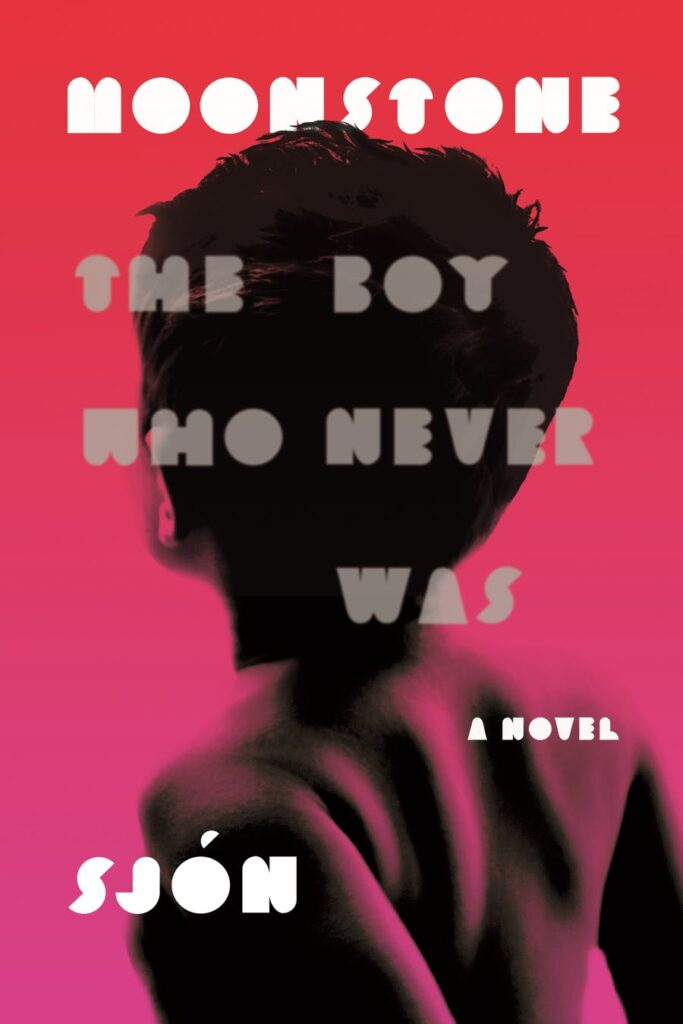
3. Moonstone: The Boy Who Never Was(opens in a new tab) by Sjón, translated from the Icelandic by Victoria Cribb, from Farrar, Straus and Giroux
“Máni Steinn is queer in a society in which the idea of homosexuality is beyond the furthest extreme. His city, Reykjavik in 1918, is homogeneous and isolated and seems entirely defenseless against the Spanish flu… And if the flu doesn’t do it, there’s always the threat that war will spread all the way north. And yet the outside world has also brought Icelanders cinema! … For Máni Steinn, the question is whether, at Reykjavik’s darkest hour, he should retreat all the way into this imaginary world, or if he should engage with the society that has so soundly rejected him.”

4. Four Minutes(opens in a new tab) by Nataliya Deleva, translated from the Bulgarian by Izidora Angel, from Open Letter
“Giving voice to people living on the periphery in post-communist Bulgaria, Four Minutes centers around Leah, an orphan who suffered daily horrors growing up, and now struggles to integrate into society as a gay woman. She confronts her trauma by trying to volunteer at the orphanage, and to adopt a young girl—a choice that is frustrated over and over by bureaucracy and the pervasive stigma against gay women… The novel contains nine other standalone character studies… A meticulously crafted social novel, Four Minutes takes a difficult, uncompromising look at modern life in Eastern Europe.”
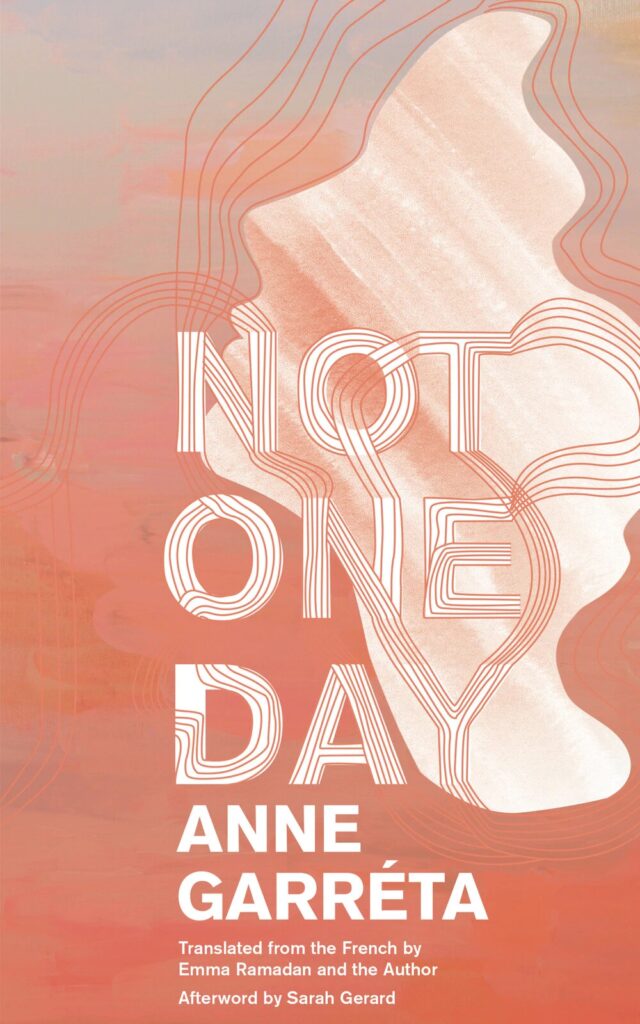
5. Not One Day(opens in a new tab) by Anne Garréta, translated from the French by Emma Ramadan and the author, from Deep Vellum
“Not One Day begins with a maxim: ‘Not one day without a woman.’ What follows is an intimate, erotic, and sometimes bitter recounting of loves and lovers past, breathtakingly written, exploring the interplay between memory, fantasy, and desire” from a groundbreaking Oulipian writer. “For life is too short to submit to reading poorly written books and sleeping with women one does not love.“

6. Beijing Comrades(opens in a new tab) by Bei Tong, translated from the Chinese by Scott E. Myers, from the Feminist Press
“Beijing Comrades is the story of a tumultuous love affair set against the sociopolitical unrest of late-eighties China. Due to its depiction of gay sexuality and its critique of the totalitarian government, it was originally published anonymously on an underground gay website within mainland China. This riveting and heartbreaking novel, circulated throughout China in 1998, quickly developed a cult following, and remains a central work of queer literature from the People’s Republic of China.”

7. Permafrost(opens in a new tab) by Eva Baltasar, translated from the Catalan by Julia Sanches, from And Other Stories
“Permafrost’s lesbian narrator is an uninhibited lover and a wickedly funny observer of modern life… She tries to break out of the roles set for her by family and society, chasing escape wherever it can be found: love affairs, travel, thoughts of suicide. Full of powerful, physical imagery, this prize-winning debut novel by acclaimed Catalan poet Eva Baltasar was a word-of-mouth hit in its own language. It is a breathtakingly forthright call for women’s freedom to embrace both pleasure and solitude, and speaks boldly of the body, of sex, and of the self.”

8. Disoriental(opens in a new tab) by Négar Djavadi, translated from the French by Tina Kover, from Europa Editions
“Kimiâ Sadr fled Iran at the age of ten in the company of her mother and sisters to join her father in France. Now twenty-five and facing the future she has built for herself as well as the prospect of a new generation, Kimiâ is inundated by her own memories and the stories of her ancestors… It is Kimiâ herself––punk-rock aficionado, storyteller extraordinaire, a Scheherazade of our time, and above all a modern woman divided between family traditions and her own ‘disorientalization’— who forms the heart of this bestselling and beloved novel.”
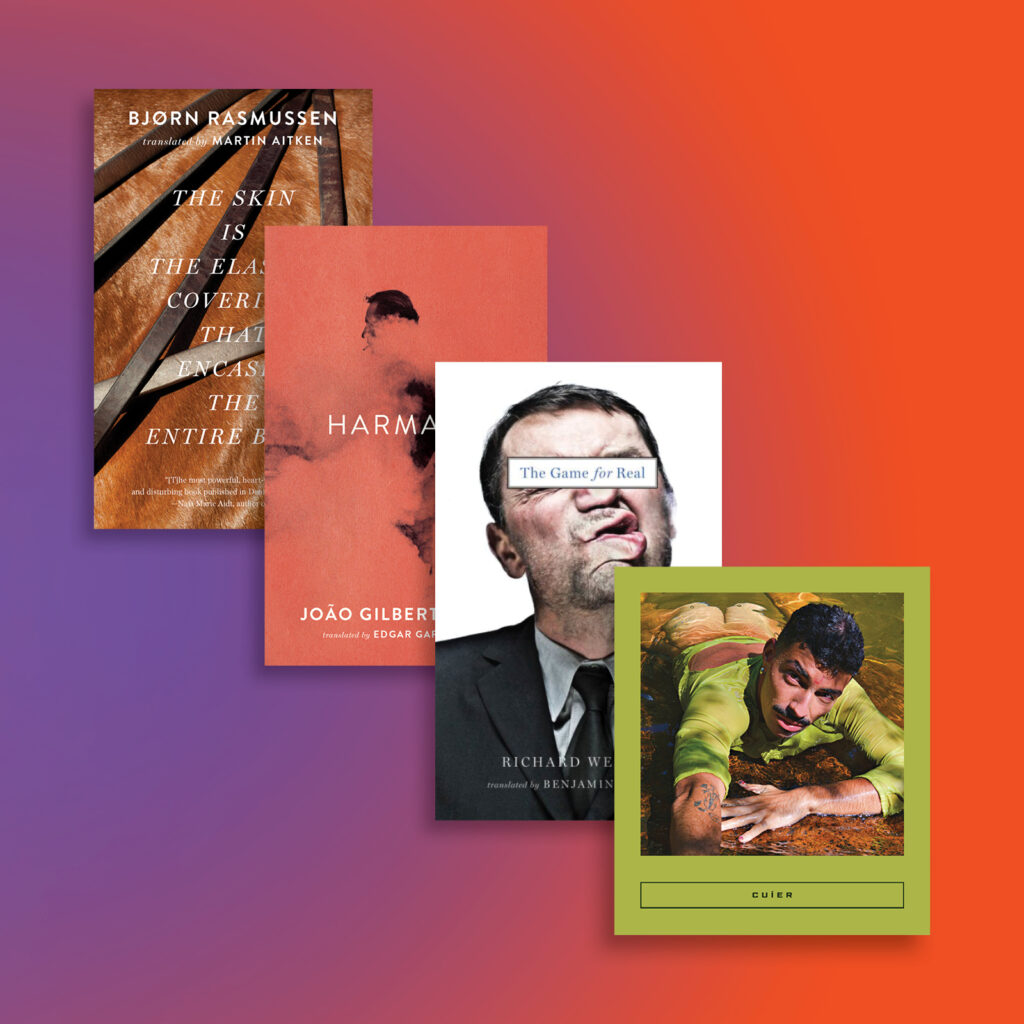
Also of note– don’t miss our “Pride, Worldwide” collection. These four books—translated from Danish, Portuguese, and Czech—encompass nearly 100 years of gay literature in translation. Collecting books that are as challenging and beautiful as identity itself, it’s no coincidence that diversifying your bookcase also extends the horizon of literary possibility.